Miami Beach, Florida
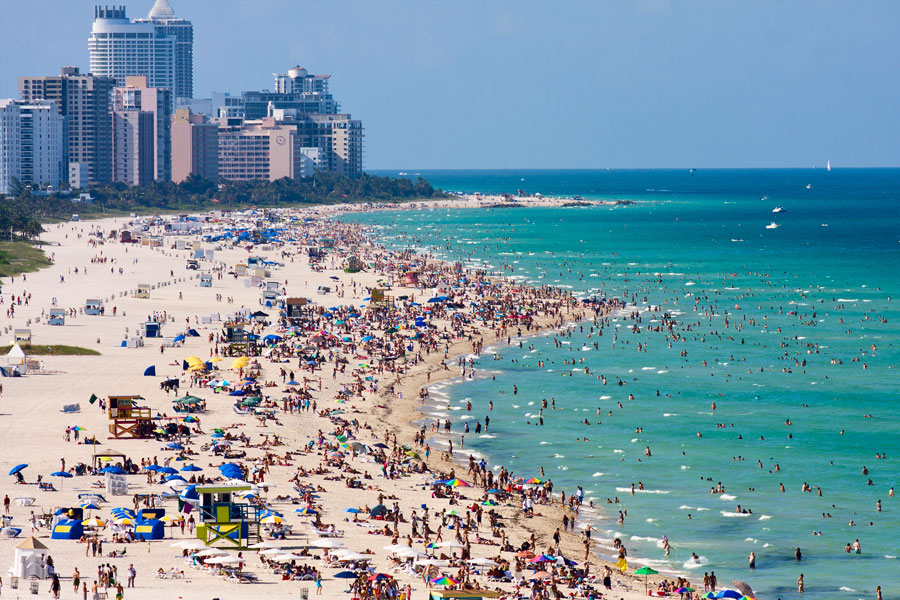
Miami Beach blends Atlantic shoreline, Art Deco architecture, nightlife, dining, and major cultural events into one of Florida’s most recognizable destinations. South Beach is the best-known stretch, but visitors can also explore quieter sections of Mid-Beach and North Beach, scenic public parks, and a walkable historic district filled with hotels, cafés, and notable design landmarks. The city’s identity remains closely tied to the arts, entertainment, and its ever-evolving beach culture.
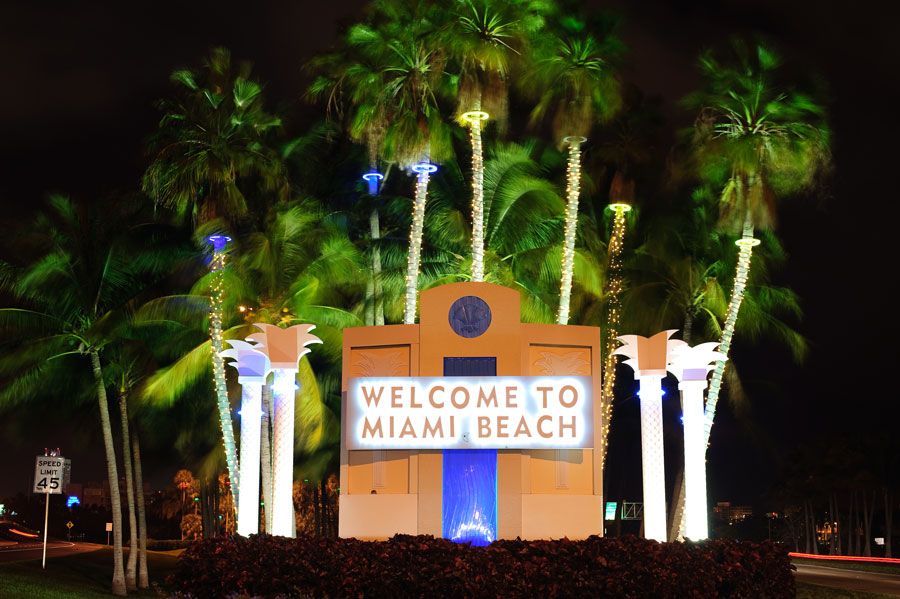
About the Community
Long before Miami Beach became an international resort destination, the barrier island area consisted of dunes, mangroves, and coconut groves across Biscayne Bay from mainland Miami. In the early 1900s, developers including John S. Collins, Carl G. Fisher, and the Lummus brothers helped open the island through agriculture, dredging, and the first causeways. Miami Beach was incorporated in 1915 and grew into a celebrated oceanfront city known for its beaches, hotels, and distinctive resort character.
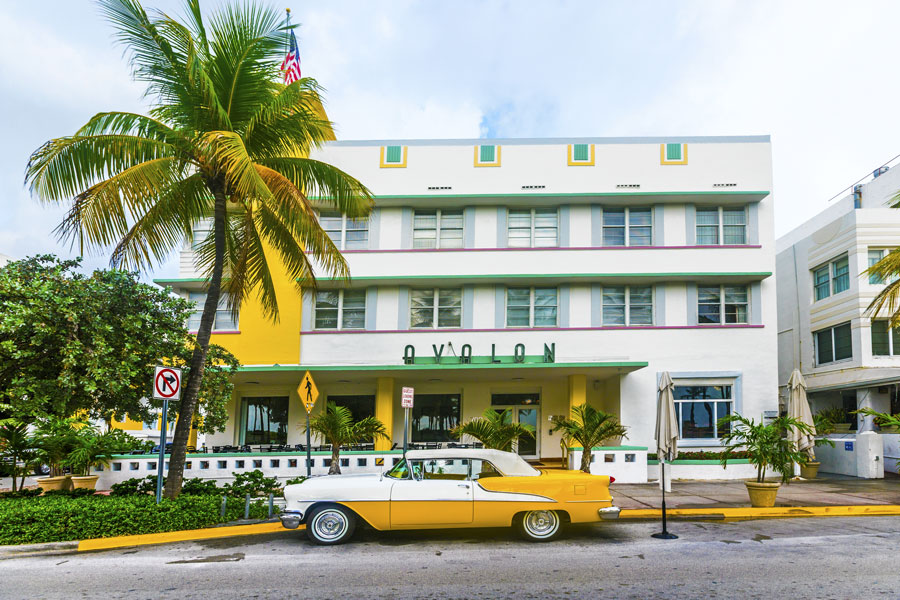
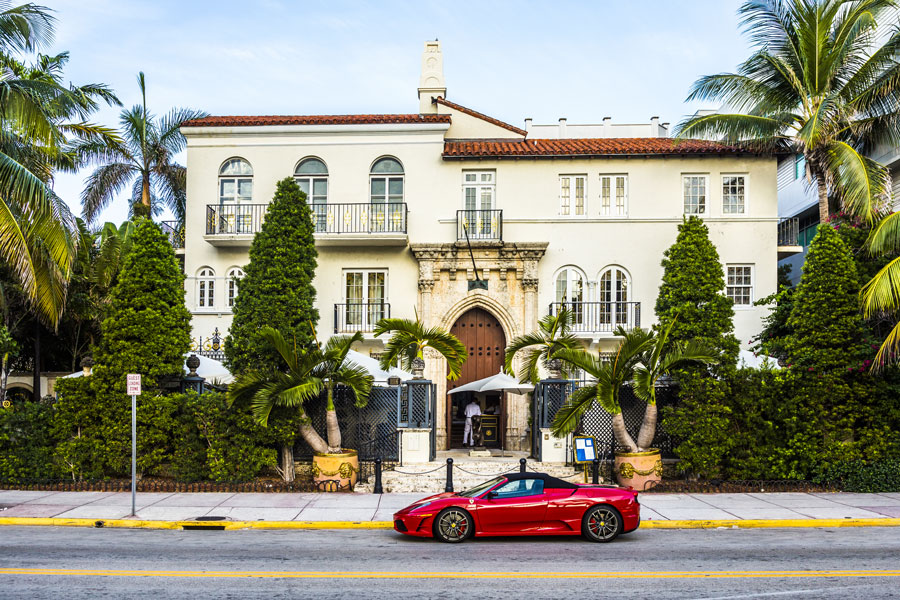
Miami Beach’s story is closely linked to the wider growth of Miami, but it developed its own identity through tourism, architecture, and immigrant communities that helped shape local culture. In the 1930s and 1940s, many of the streamlined hotels and apartments along Collins Avenue and Ocean Drive gave the area its now-famous look. Today, the Art Deco District remains one of the country’s best-known collections of resort architecture.
Important Links (Suggest / Report)

Vicinity of Miami Beach
Additional Details
The Miami Beach Architectural District is a highlight for architecture fans, and the Miami Design Preservation League’s Art Deco Welcome Center is a helpful place to start for exhibits, maps, and guided walking tours; hours and tour availability may vary by date. Beyond South Beach, visitors can explore Lincoln Road for shopping and dining, Española Way for a more intimate pedestrian atmosphere, and waterfront green spaces such as Lummus Park and South Pointe Park.
Miami Beach is easy to explore without committing to a full day of driving. Visitors often use the city trolley, Miami-Dade bus service, rideshare, bicycle rentals, or short walks between beachfront districts. If you do bring a car, parking availability and rates can vary by location and season, so checking current city guidance before you go is wise.
Miami Beach also offers reflective cultural sites such as the Holocaust Memorial Miami Beach, a powerful outdoor memorial dedicated to the victims of the Holocaust. When evening arrives, the city shifts into one of its best-known modes: live music, rooftop lounges, bars, restaurants, and late-night energy concentrated around South Beach and nearby districts. If nightlife is on your agenda, well-known venues such as Mango’s Tropical Cafe remain part of the mix, though shows, hours, and reservations can change.