Punta Gorda, Florida
Punta Gorda is a waterfront city in Southwest Florida on the south shore of the Peace River where it opens into Charlotte Harbor, just inland from the Gulf. It is the county seat and only incorporated city in Charlotte County, about 100 miles south of Tampa on Florida’s Gulf Coast between Sarasota and Fort Myers. Founded in 1887, Punta Gorda grew around its harborfront setting and railroad connections and is now known for its walkable historic district, marinas, parks, and relaxed coastal character.
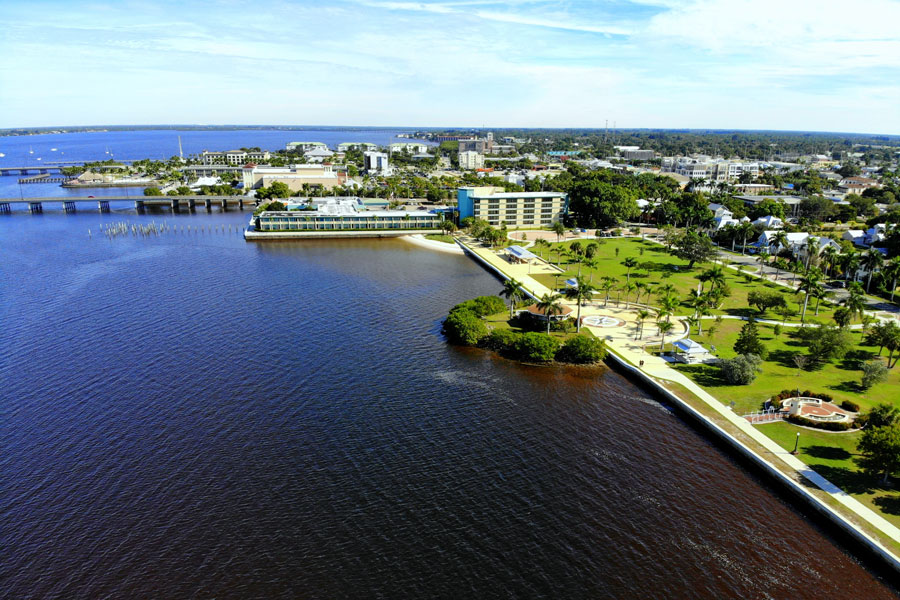
About The Community
Warm weather, boating access, golf, trails, and an active calendar of community events help make Punta Gorda attractive to residents, seasonal visitors, and retirees. The city sits between Charlotte Harbor and inland pine flatwoods, ranchland, and preserves. The name Punta Gorda is commonly translated from Spanish as “fat point,” referring to the broad point of land that projects into the harbor. Early European exploration of the area is traditionally linked to Juan Ponce de Le3n’s 1513 voyage, though Native peoples lived in this region long before Spanish contact.
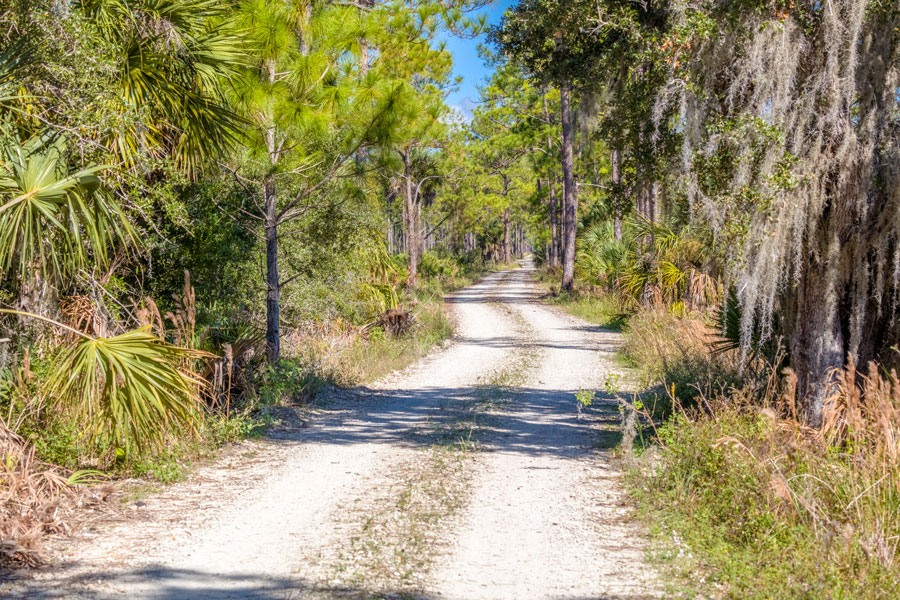
Punta Gorda’s downtown historic district includes several properties listed on the National Register of Historic Places. The A.C. Freeman House, built around 1903, is one of the community’s best-known historic homes and a notable example of Queen Anne architecture in Charlotte County. The Historic Railroad Depot, tied to the city’s Atlantic Coast Line era, is another landmark that reflects Punta Gorda’s early development as a rail and shipping center. Visitors interested in local heritage will also find preserved buildings, museums, and interpretive exhibits around downtown and the waterfront.
Important Links (Suggest / Report)

Vicinity of Punta Gorda
Another standout attraction is the Military Heritage Museum at Fishermen’s Village, where exhibits and artifacts span multiple eras of American military history. Punta Gorda’s waterfront includes marinas, public art, parks, and long stretches of the Harborwalk, making it easy to explore the harbor on foot or by bike. Fishermen’s Village remains a popular harborfront stop for shopping, dining, sightseeing cruises, and overnight stays, with hours and availability that may vary by season.
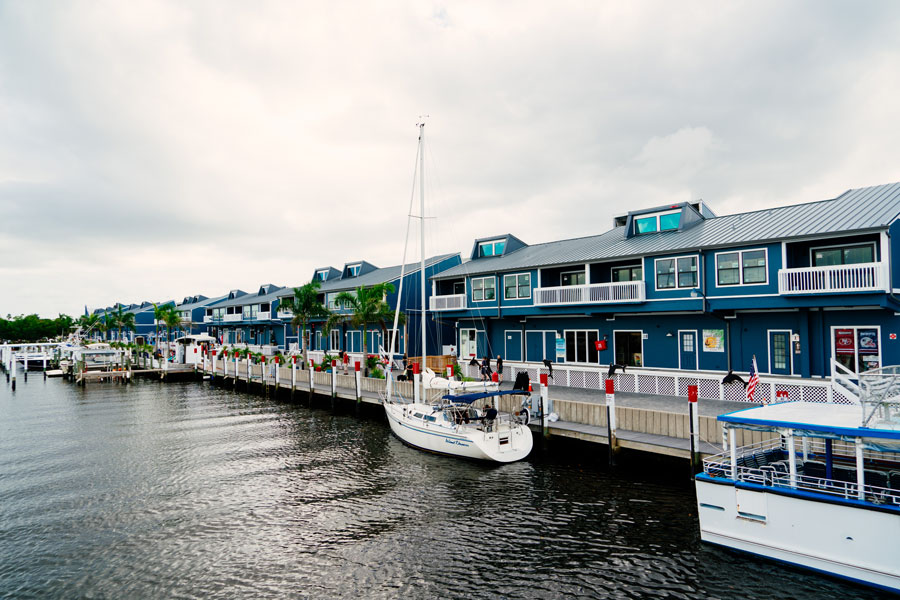
The Visual Arts Center, near Fishermen’s Village, has long served as a venue for exhibitions, classes, workshops, lectures, open studios, and demonstrations for artists of all ages. Virginia House, associated with founder Colonel Isaac Trabue, is one of Punta Gorda’s notable historic buildings and has served hospitality uses over the years. Together with downtown inns, restaurants, galleries, and seasonal events, these cultural landmarks help give the city a welcoming small-waterfront-town atmosphere.
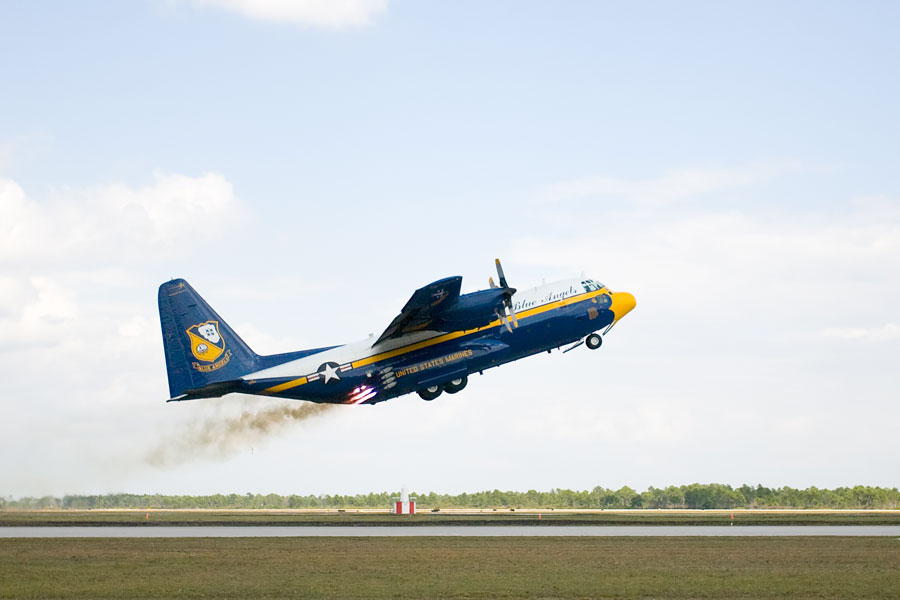
Punta Gorda is also a strong base for paddling, fishing, birding, and cycling. The Harborwalk along Charlotte Harbor links waterfront parks and offers excellent sunrise and sunset views. At Ponce de Leon Park, the Peace River Wildlife Center gives visitors a chance to learn about rescued native birds and other Florida wildlife. Kayaking, paddleboarding, and boating are popular on the harbor and nearby rivers and creeks, while places such as Shell Creek, Prairie Creek Preserve, and the Fred C. Babcock/Cecil M. Webb Wildlife Management Area offer a look at Southwest Florida’s inland landscapes. Hours, trail conditions, and program availability can vary.