Okeechobee, Florida
The City of Okeechobee is the county seat of Okeechobee County and sits just north of Lake Okeechobee, Florida’s largest freshwater lake. The name Okeechobee is commonly traced to Native words meaning “big water,” a fitting description for this vast inland lake and the surrounding landscape.
About The Community
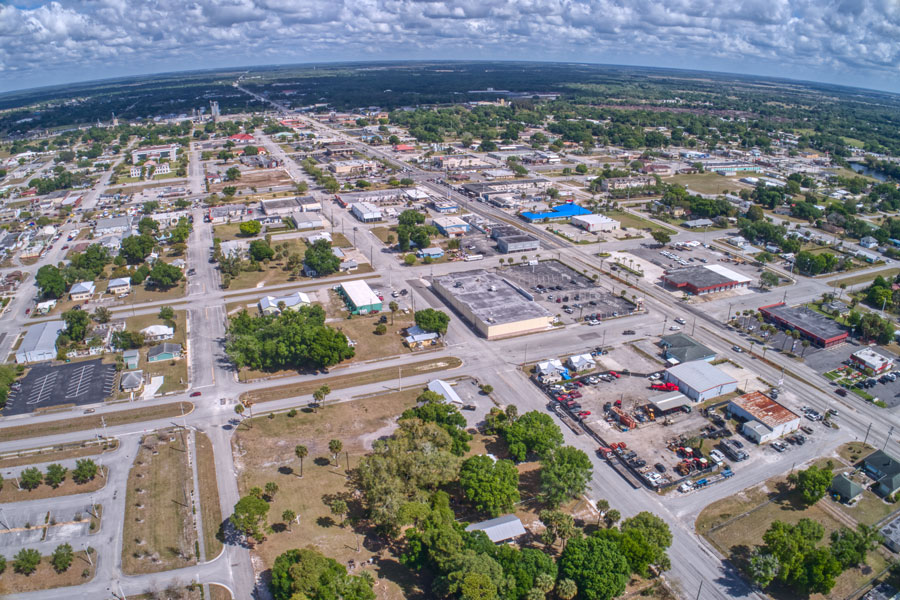
Okeechobee County was created in 1917 from parts of Osceola, Palm Beach, and St. Lucie counties. Okeechobee was laid out earlier, in 1914, by Florida East Coast Railway engineers for the Okeechobee Company, a branch of the Florida East Coast Railway. The settlement was originally called “Tantie” after settler Tantie Huckabee. Today, the city remains a compact community of roughly five square miles with only a few thousand residents, while the surrounding county retains a distinctly rural Florida character.
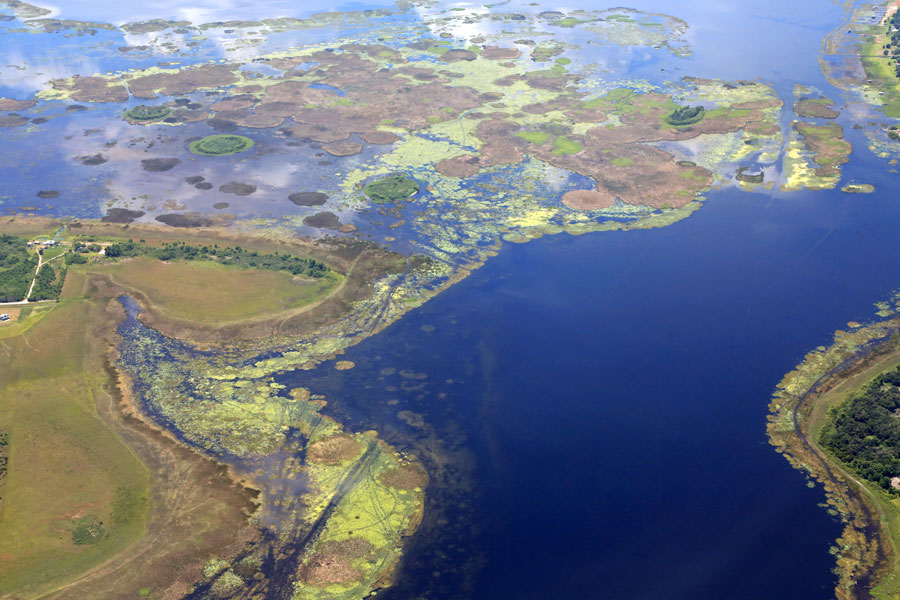
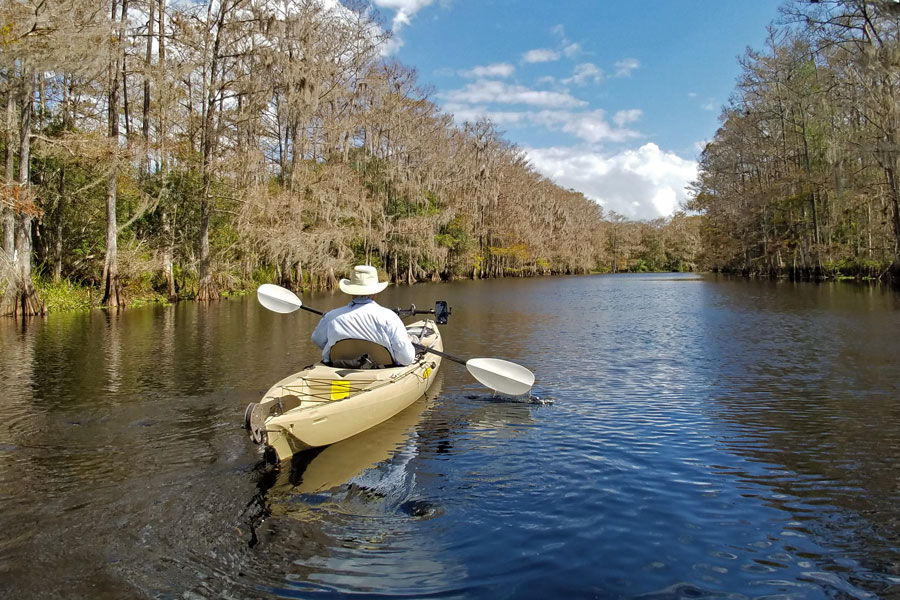
For visitors, Okeechobee offers a quieter side of inland Florida with easy access to freshwater fishing, birding, boating, paddling, ranchland scenery, and the wider Lake Okeechobee region. Its location in the state’s heartland makes it a practical base for exploring central and south-central Florida, though beaches and major theme-park destinations generally require a longer drive. Since the early 1900s, the area around Lake Okeechobee has been shaped by agriculture, and farming, citrus, cattle ranching, dairies, and fishing remain central to the local economy. Outdoor visitors also look for access to Taylor Creek, nearby public boat ramps, and portions of the Lake Okeechobee Scenic Trail, although water levels, trail conditions, and access details can vary.
Important Links (Suggest / Report)


Residents are proud of the area’s cultural, agricultural, and natural heritage. Many local families have longstanding roots in dairies, cattle, citrus, and fishing, and the region’s rural identity is still very much part of daily life. Community events, rodeos, festivals, and heritage organizations help celebrate Okeechobee’s history while preserving the friendly, small-town atmosphere that draws many visitors here. Event schedules and festival availability can change from year to year, so it is best to confirm details in advance.
Vicinity of Okeechobee
Additional Details
Downtown Okeechobee has a modest historic core with early 20th-century buildings, and sites connected to the 1837 Battle of Lake Okeechobee during the Second Seminole War are nearby. The current Okeechobee County Courthouse dates from 1926. Visitors may also notice the historic railroad depot downtown, which remains an important landmark tied to the community’s early transportation history.
The Okeechobee Historical Society Museum & Schoolhouse preserves local artifacts and stories from the area’s early years. The adjacent one-room schoolhouse dates to 1907 and was used until 1916. Visitors may also look for historic buildings, public murals, and other community landmarks that reflect Okeechobee’s early settlement and ranching heritage.
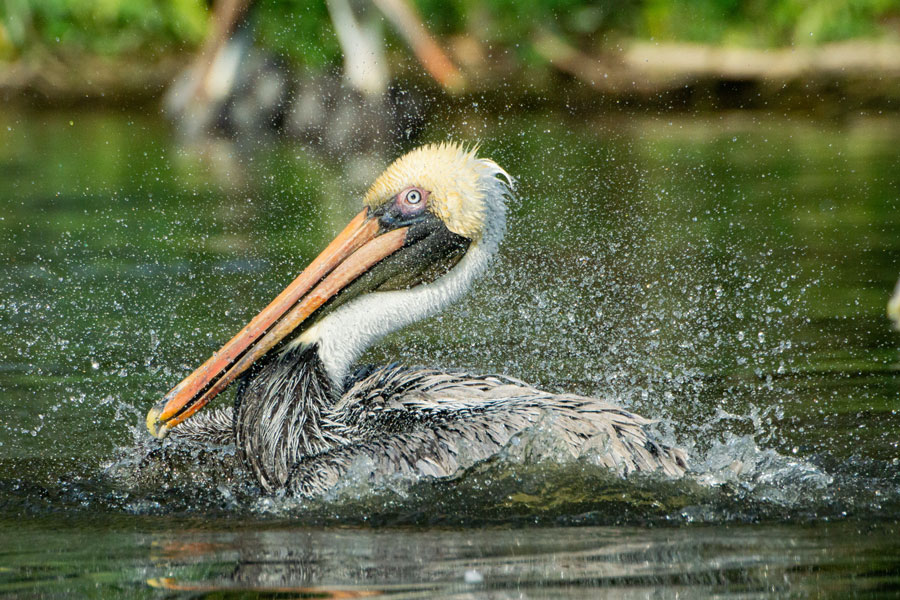
Cattle ranching has long been one of the area’s defining industries. The Okeechobee Livestock Market, established in 1937, became one of Florida’s major livestock markets. Rodeo culture also remains part of local life, and the Okeechobee County Cattlemen’s Association has long hosted professional rodeo events. Lake Okeechobee is especially well known for largemouth bass fishing, while nearby wetlands and waterways support abundant birdlife and native vegetation. Birders may spot species such as the snail kite, purple gallinule, and limpkin, though wildlife sightings vary by season, habitat conditions, and water levels.