Pensacola, Florida
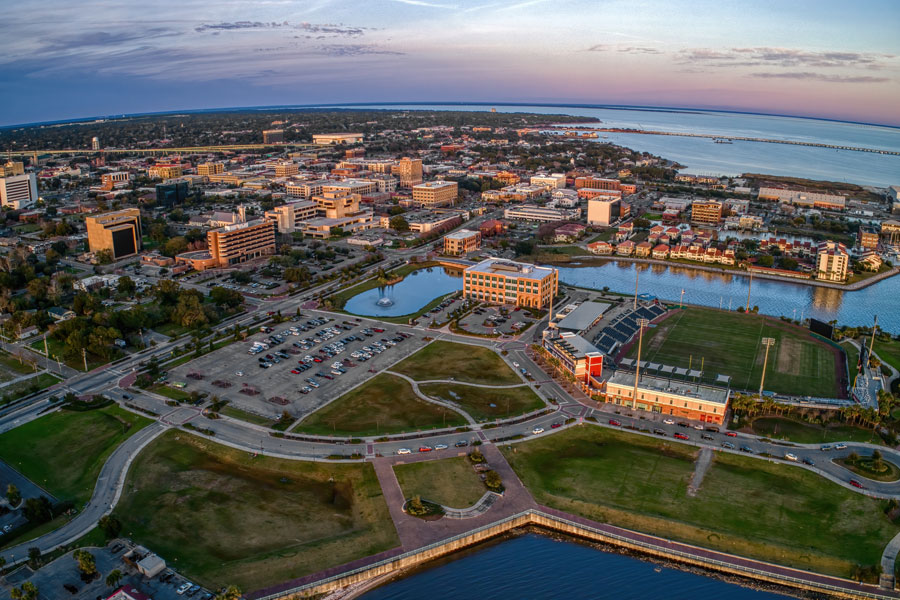
Pensacola is a historic waterfront city on Pensacola Bay known for its centuries of history, walkable downtown, museums, naval aviation heritage, cultural attractions, restaurants, and active arts scene. From the historic streets surrounding Palafox Street to the museums and preserved buildings of Historic Pensacola, the city offers a distinctly different experience from the beach communities found across the bay.
About The Community
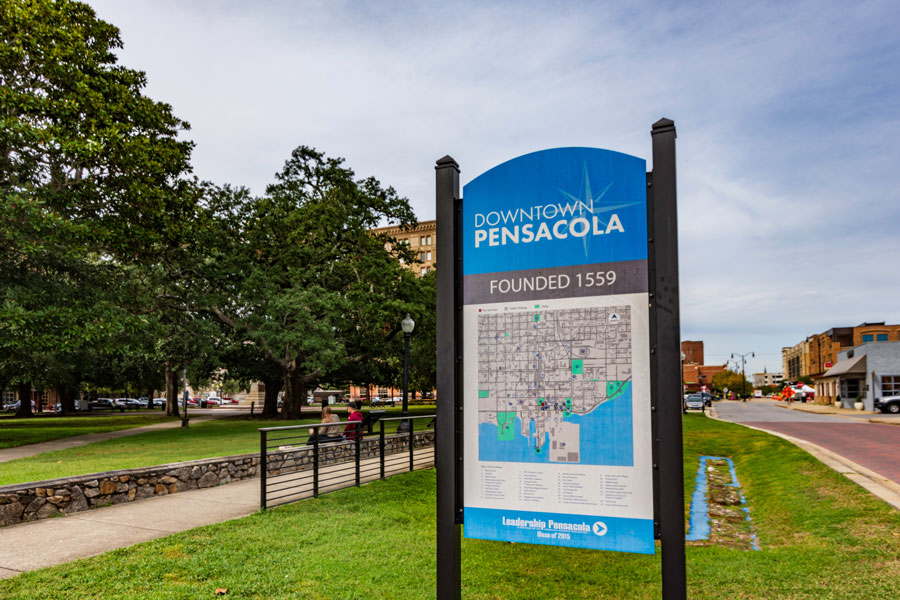
Pensacola is the county seat of Escambia County and one of Florida’s most historically significant cities. Its European colonial history reaches back to 1559, when Spanish explorer Don Tristán de Luna led a settlement expedition to Pensacola Bay. The settlement was devastated by a hurricane and eventually abandoned, but Spain later returned to the region. Over the centuries, Pensacola came under Spanish, French, British, Confederate, and United States control, giving rise to its longtime nickname, the “City of Five Flags.”
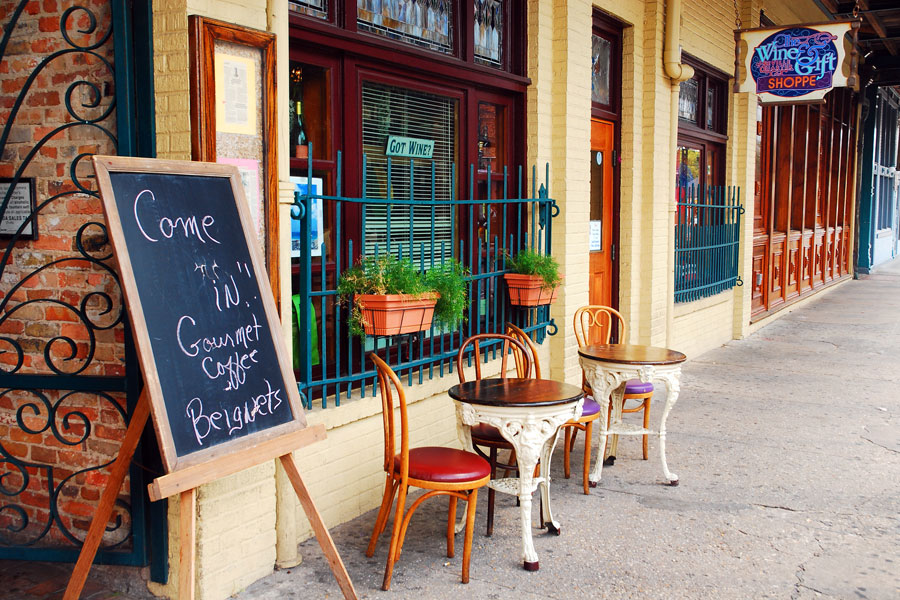
Much of Pensacola’s historic character remains concentrated in and around downtown. The Pensacola Historic District extends through an area between Palafox Street and Pensacola Bay, while the Palafox Historic Business District preserves a commercial corridor containing buildings from several periods of the city’s development. Visitors can walk among plazas, historic homes, churches, museums, restaurants, galleries, and restored commercial buildings while exploring the center of the city.
Important Links (Suggest / Report)

Historic Pensacola occupies several acres in the heart of downtown within the footprints of early Spanish and British forts. The complex includes museums, historic houses, archaeological resources, and interpreted properties representing different periods of local history. Historic Pensacola Village gives visitors a closer look at everyday life in earlier eras, while the Pensacola Museum of History occupies the former city hall on South Jefferson Street and presents exhibits exploring the city’s development and cultural heritage.
Vicinity of Pensacola
Additional Details
Palafox Street serves as one of the main corridors through downtown Pensacola, connecting historic commercial blocks with restaurants, shops, entertainment venues, public spaces, and the waterfront. Palafox Market brings local vendors downtown on Saturdays, while Gallery Night and other recurring events periodically turn downtown streets into gathering places for art, music, food, and community activities. At the southern end of Palafox Street, Plaza de Luna overlooks Pensacola Bay and provides a waterfront setting within walking distance of the downtown core.
Pensacola’s relationship with the United States Navy is another major part of the city’s identity. Naval Air Station Pensacola became an important center for naval aviation in the early 20th century and is widely associated with Pensacola’s reputation as the “Cradle of Naval Aviation.” The National Naval Aviation Museum, located aboard NAS Pensacola, preserves more than a century of aviation history through restored aircraft, artifacts, exhibits, simulators, and educational displays. The base is also closely associated with the U.S. Navy Blue Angels. Because NAS Pensacola is an active military installation, visitors should review current identification, security, and access requirements before arriving.
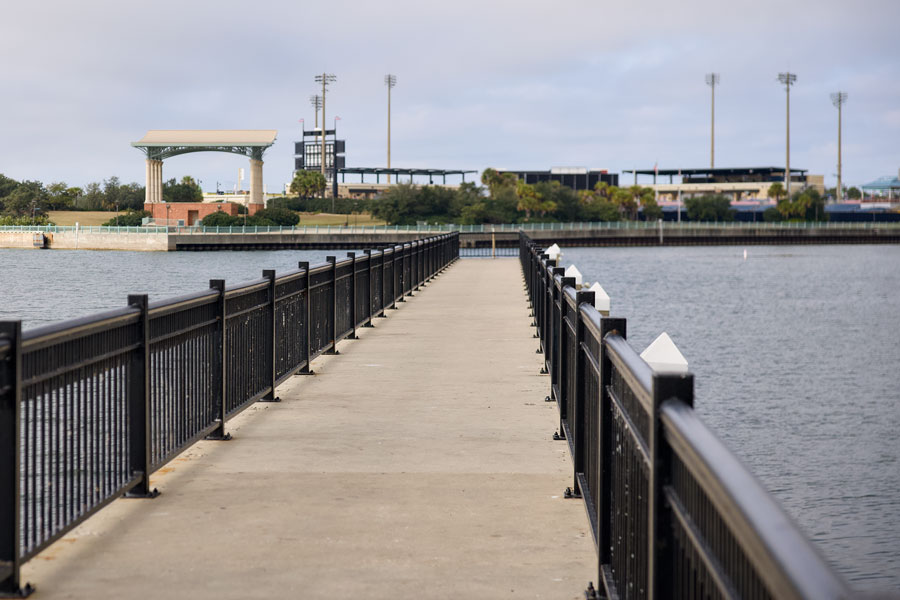
The city’s waterfront location has also shaped Pensacola economically and culturally. The Port of Pensacola traces its commercial history to the colonial era and remains part of the working waterfront along Pensacola Bay. Nearby parks, marinas, public spaces, and waterfront streets connect the city’s maritime history with modern downtown life, while restaurants throughout the area reflect a mix of Southern, Gulf Coast, seafood, Caribbean, Creole, and international influences.
Arts and entertainment are well represented throughout the city. The Pensacola Museum of Art, galleries, public murals, music venues, and performing arts organizations contribute to the downtown cultural scene. The historic Saenger Theatre continues to host concerts, touring productions, symphony performances, and other events, while festivals and community celebrations take place throughout the year in downtown parks, plazas, and streets.
Travelers looking for the area’s barrier-island beaches will find Pensacola Beach in a separate community on Santa Rosa Island across Pensacola Bay. Pensacola itself is best explored for its downtown, historic neighborhoods, museums, naval aviation attractions, waterfront, dining, and cultural sites.