Port Orange, Florida
Port Orange sits just south of Daytona Beach along the Halifax River in Volusia County. The community began taking shape in the late 1860s and today is part of the Deltona–Daytona Beach–Ormond Beach metropolitan area.
About The Community
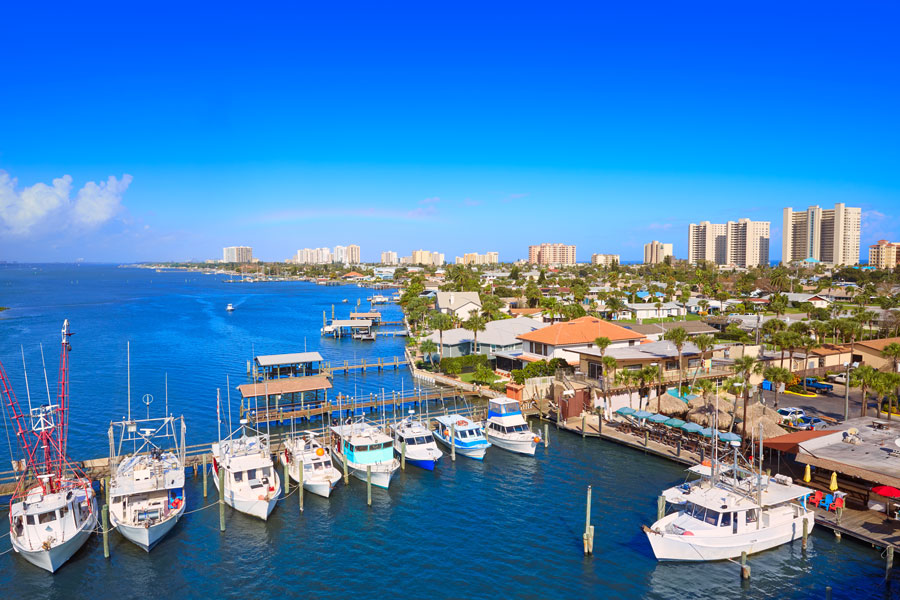
Today, Port Orange blends historic neighborhoods, riverfront areas, established shopping districts, and newer residential communities. Growth accelerated after Dunlawton Avenue was extended west toward Interstate 95 in the 1970s, improving east-west access. With a 2020 census population of more than 64,000, Port Orange is one of the larger cities in Volusia County.

Port Orange traces its beginnings to 1866 and 1867, when Dr. John Milton Hawks, an abolitionist and United States Army surgeon, brought formerly enslaved families to public lands along the Halifax River through the Florida Land and Lumber Company. The settlement struggled, and within two years only a small number of families remained, but those early residents helped shape the community’s identity.
Important Links (Suggest / Report)

The settlement’s African American roots remained strong in the area historically known as Freemanville, around Orange Avenue and Charles Street. Mount Moriah Baptist Church, built in 1911, is one of the clearest reminders of that community and continues to serve descendants of the original settlers.
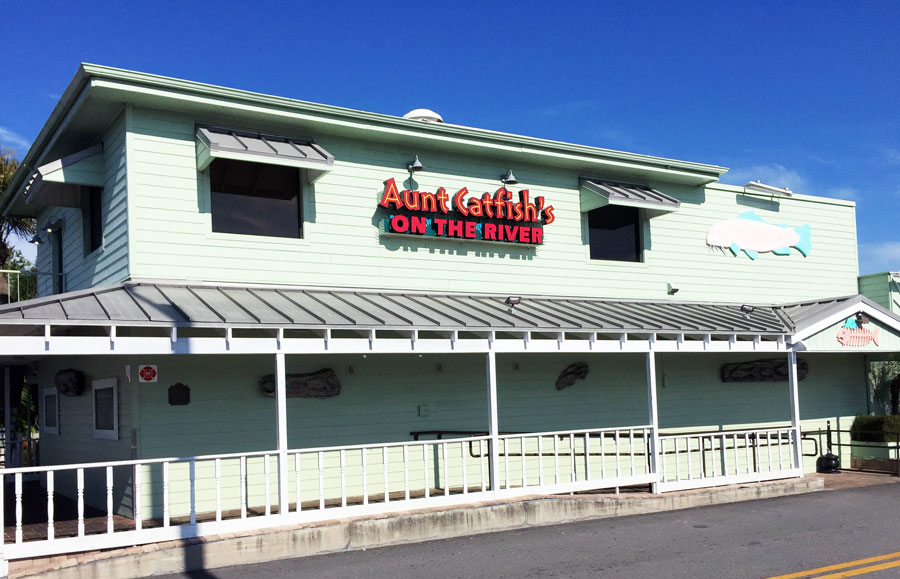
Much of modern Port Orange was built or expanded after the mid-1980s. City Hall, the regional library, YMCA facilities, an outdoor amphitheater, sports fields, a skate park, police headquarters, fire-rescue services, and other civic amenities are clustered on a large municipal campus set around a lake and shaded boulevards.
Vicinity of Port Orange
Additional Details
Port Orange’s Halifax River waterfront remains a focus of public-access improvements and redevelopment discussions. Project names and timelines can change, so visitors should expect an area that continues to evolve rather than a single finished attraction. What remains consistent is the appeal of the riverfront itself, with parks, marinas, dining, and broad water views forming one of the city’s most pleasant areas to explore.
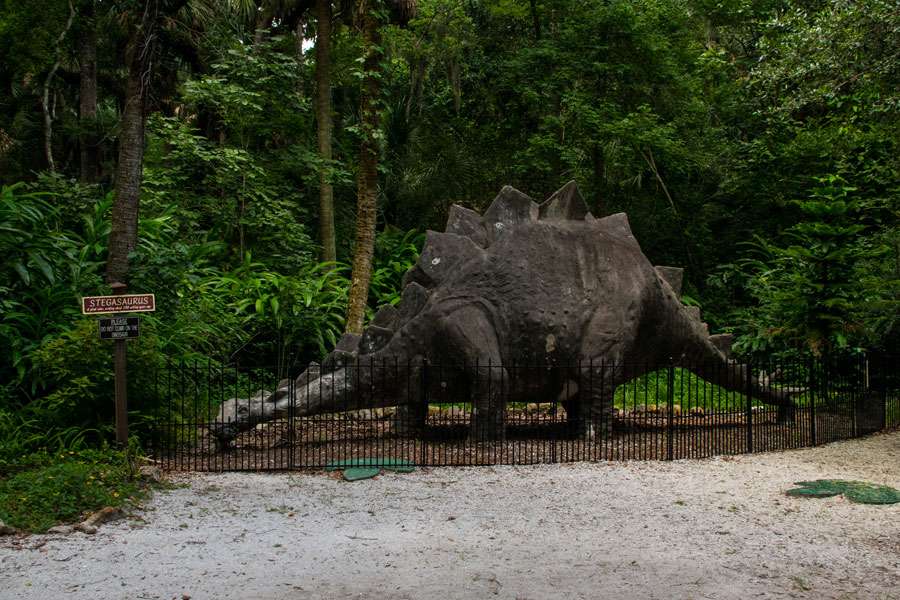
For travelers, Port Orange is valued as much for its location as for its neighborhoods and shopping districts. Dunlawton Sugar Mill Gardens is one of the city’s standout historic sites, while Riverwalk Park, nearby boat ramps, and local trails support kayaking, fishing, birding, and casual walks. The city is also a short drive from area beaches, Ponce Inlet, and the broader Daytona Beach region. Hours, access, and event schedules vary by site and season.