St. Pete Beach, Florida
St. Pete Beach sits on a barrier island on the Gulf of Mexico along the western edge of the Tampa Bay area. Often described as having roughly four miles of white-sand shoreline, it is a popular Pinellas County beach destination for swimming, sunset walks, watersports, dining, and relaxed coastal downtime.
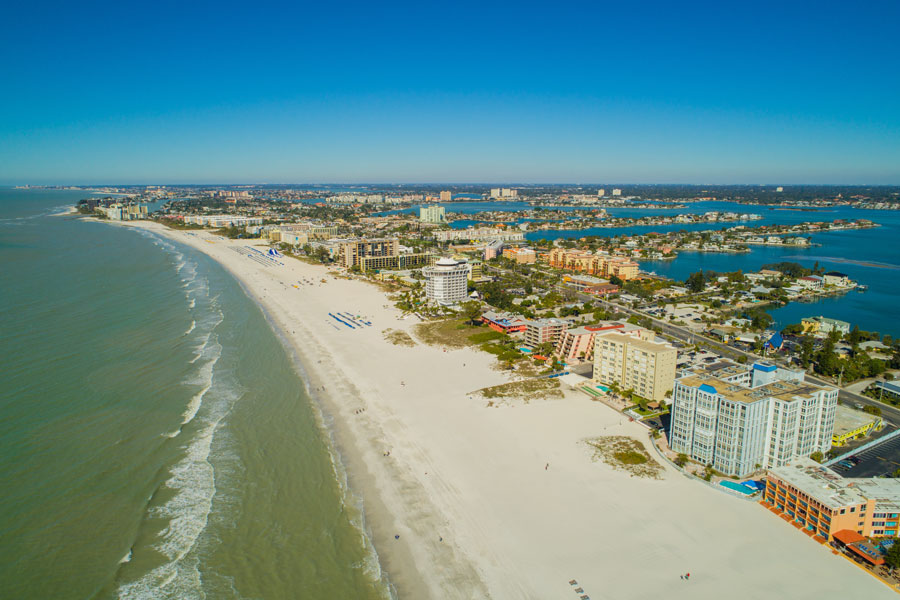
About The Community
Historically, names used along the Gulf beaches included Long Key, Treasure Island, Sand Key, and Clearwater Beach Key. Much of present-day St. Pete Beach developed on Long Key, where communities such as Pass-a-Grille Beach, Don CeSar Place, Belle Vista Beach, and St. Petersburg Beach occupied sections of the island. In 1957, those communities merged to form the City of St. Petersburg Beach, later shortened to St. Pete Beach.
Pass-a-Grille, at the southern end of St. Pete Beach, is especially known for its historic cottages, walkable streets, and old-Florida character. The name is commonly linked to Cuban fishermen, sometimes called “grillers,” who camped here and prepared fish before returning home. Settlement expanded in the early 1900s, and the area soon had a store, post office, and town government. Today, Merry Pier remains a popular spot for fishing charters, sightseeing, and boat outings, including shelling excursions, while the surrounding neighborhood is one of the city’s most distinctive places to explore.
Important Links (Suggest / Report)

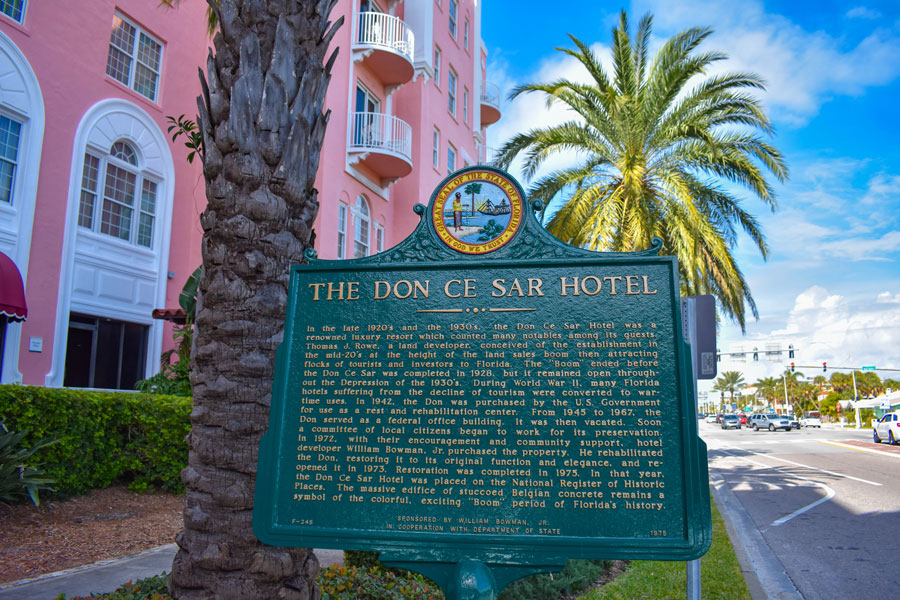
The Don CeSar is St. Pete Beach’s best-known landmark, a pink Mediterranean Revival hotel completed in 1928. The original resort was built for about $1.5 million, with 275 rooms across ten stories, and its dramatic beachfront profile has long made it one of Florida’s most recognizable historic hotels.
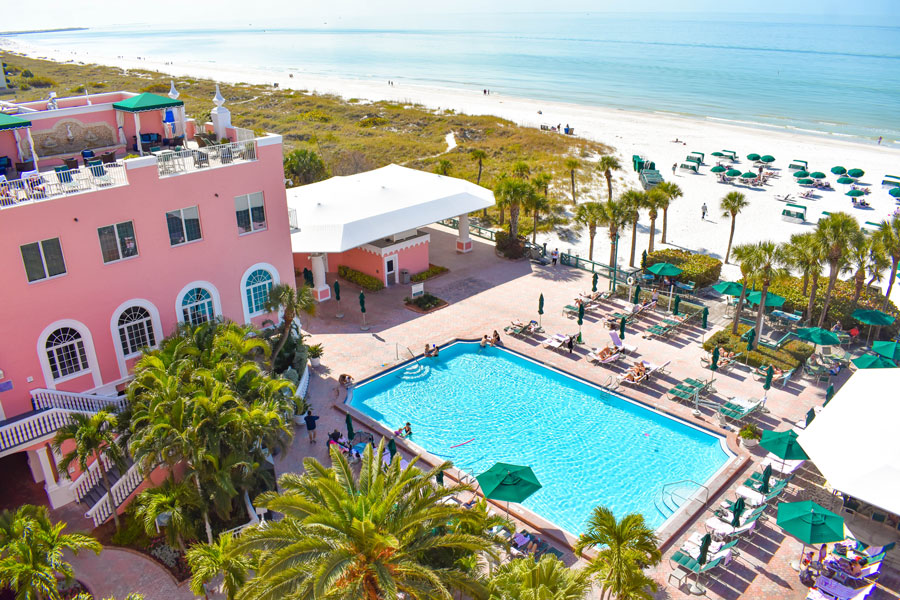
During the 1940s, the property was used for military and veterans-related purposes and also served as a hurricane shelter. After the federal government left the facility in 1969, businessman William Bowman purchased it in 1972, undertook major renovations, and reopened the hotel in 1973. Today, The Don CeSar is recognized by Historic Hotels of America and remains one of the Gulf Coast’s signature historic resorts.
Vicinity of St. Pete Beach
Additional Details
The Pass-a-Grille historic district at the southern tip of St. Pete Beach offers restaurants, boutiques, galleries, and a distinctly old-Florida feel. The Gulf Beaches Historical Museum, housed in what was the first church built on Pinellas County’s barrier islands, traces local history from the 1500s to modern times. Farther north, Corey Avenue remains a popular area for shopping, dining, and events, while Gulf Boulevard connects much of the city’s lodging, beach access, and restaurant scene. Do not miss the walkable stretch of 8th Avenue in Pass-a-Grille for additional local flavor.
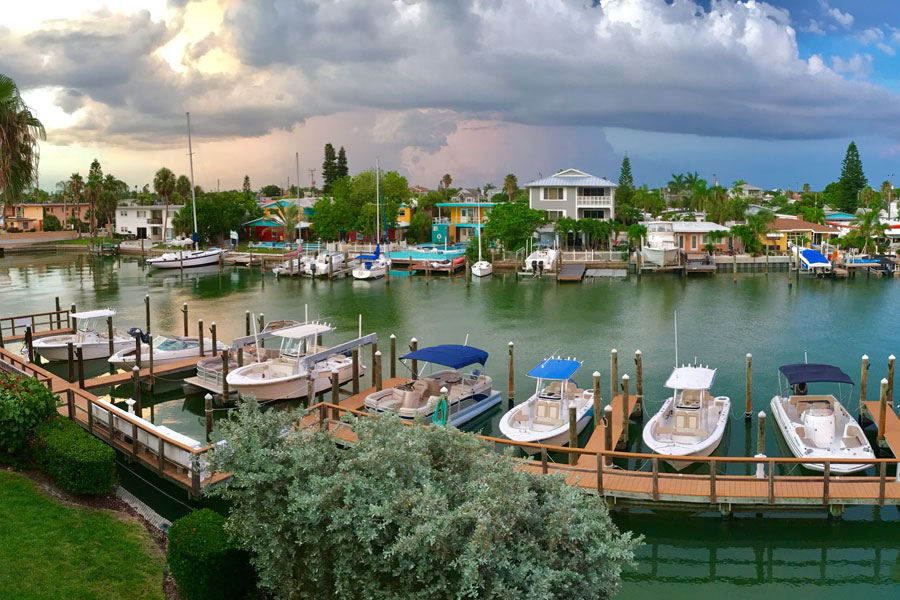
Dining in St. Pete Beach ranges from casual seafood spots and beachfront grills to upscale resort restaurants and neighborhood favorites. Pass-a-Grille and Corey Avenue are especially popular for local dining, and sunset meals along the Gulf are a signature part of the experience. Parking availability, beach access conditions, trolley service, restaurant hours, and live entertainment schedules can vary by season, weather, and special events, so it is wise to check current information before heading out.