San Antonio, Florida
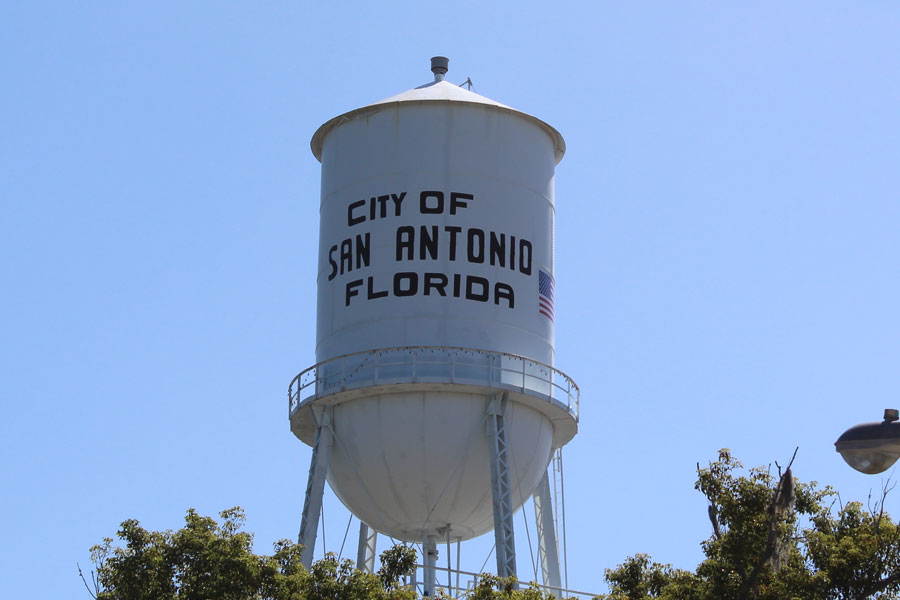
San Antonio is a small historic city in Pasco County, near Dade City and Saint Leo in east Pasco County. Much of the community’s early development is tied to Judge Edmund F. Dunne, whose vision helped shape one of the area’s oldest settlements. Today, visitors will find a quiet small-town setting with deep Catholic heritage, nearby university landmarks, local festivals, and scenic countryside around Lake Jovita.
About The Community
In 1881, Dunne established San Antonio southwest of Lake Jovita as the center of his planned “Catholic colony,” a settlement intended to attract Roman Catholic families and institutions. He acquired a large tract of land around the lake and laid out plans for streets, homes, schools, convents, and a central town square. Lake Jovita was named for the saint whose feast day coincided with the time the lake came to his attention.
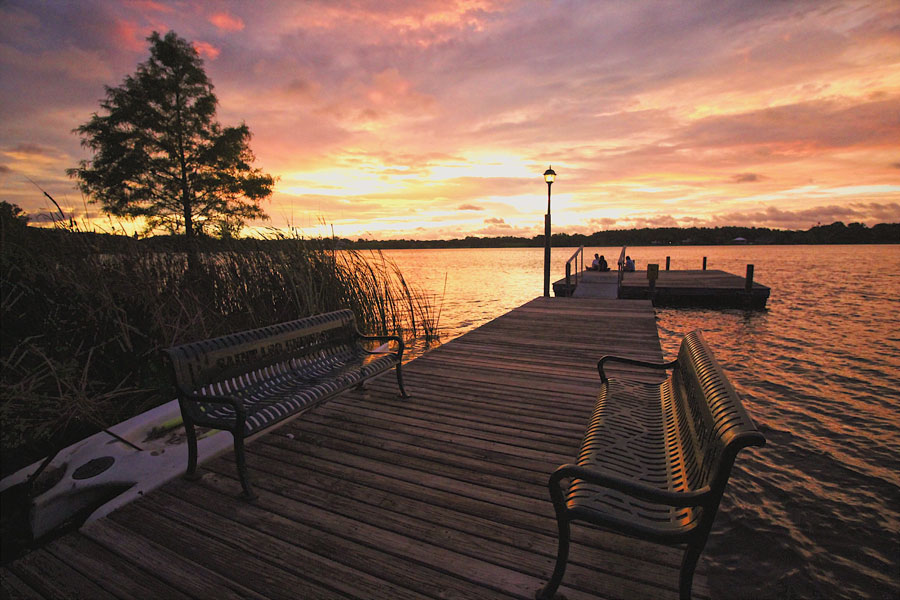
The town was laid out in a style inspired by European communities, with a central square surrounded by church, school, and commercial life. Many of the early settlers were of Irish descent, as was Dunne himself. Rail service helped the area grow: the South Florida Railroad reached nearby Dade City in 1887, and the Orange Belt Railway passed through San Antonio on its way to St. Petersburg. Citrus and other agricultural products could then move more easily to outside markets, and San Antonio was incorporated in 1891.
Important Links (Suggest / Report)

In 1926, during Florida’s land boom, San Antonio was reorganized as the City of Lake Jovita and its boundaries were expanded to include a much larger surrounding area. The change was short-lived. By 1929, amid the economic collapse that followed the boom, the city returned to the name San Antonio and to much smaller boundaries. A 1920s golf course did not last, but the Lake Jovita Golf & Country Club community later revived golf in the area.
Vicinity of San Antonio
Additional Details
Today, San Antonio remains a small city with strong historic and agricultural roots. Judge Dunne’s original Catholic colony is reflected in the neighboring communities of San Antonio, St. Leo, and St. Joseph. Pastures, groves, rolling hills, and rural roads still define much of the surrounding landscape. For visitors, the area feels closely connected to nearby St. Leo, where Saint Leo University and Saint Leo Abbey are major landmarks.
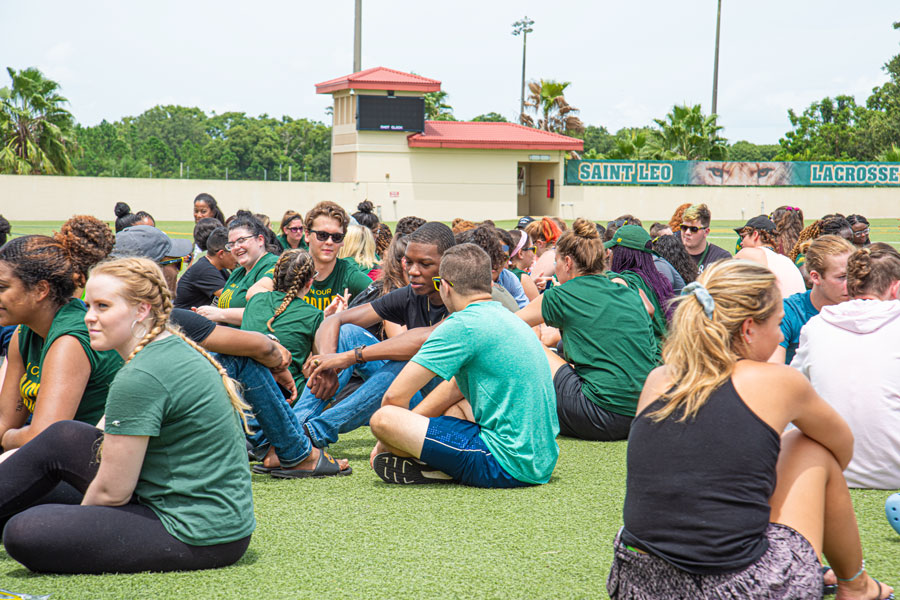
The Saint Leo community also traces its roots to the late 19th century, when the Benedictine presence took hold alongside Dunne’s settlement. Saint Leo University dates to 1889 and remains one of the area’s best-known institutions. In addition to the university, visitors may notice Saint Leo Abbey and other religious and educational landmarks that reflect the region’s long Catholic heritage.
San Antonio continues to offer a tranquil small-town atmosphere. Its long-running annual Rattlesnake Festival is one of the community’s signature traditions, drawing visitors for food, crafts, music, and local flavor when scheduled. Beyond town, the surrounding hills, ranchland, and golf communities give this part of Pasco County a distinctly rural character that sets it apart from busier parts of the Tampa Bay region.