Orlando Science Center
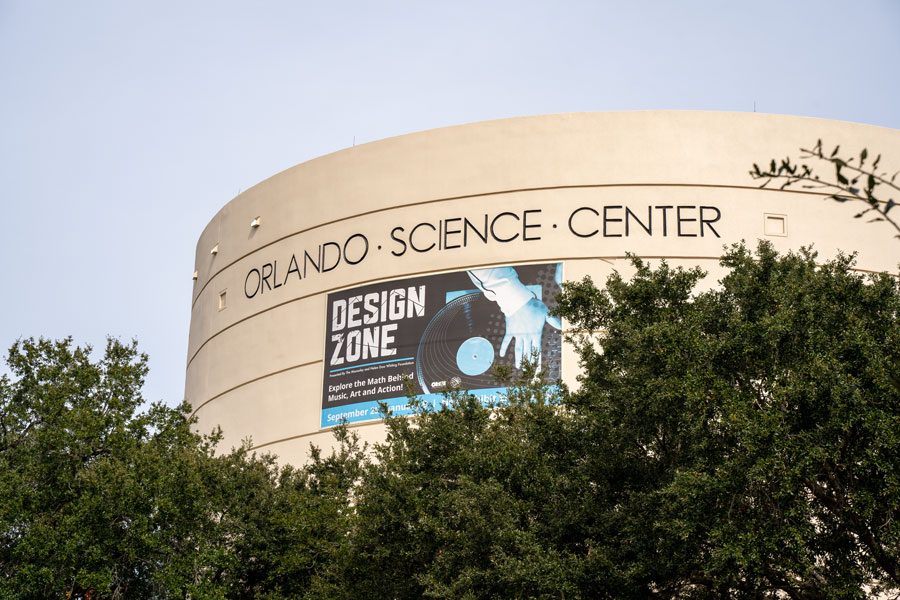
Orlando Science Center (OSC) is a leading hands-on science museum in Orlando, Florida. With roots dating to 1955, this nonprofit institution focuses on inspiring curiosity through interactive exhibits, live demonstrations, films, animal encounters, and STEM-based learning for children, teens, and adults. Located in the Loch Haven Cultural District, it is one of the area’s best family attractions for visitors who want a break from the theme parks without giving up immersive, engaging experiences.
Visitors can explore multiple levels of exhibits covering topics such as physics, engineering, nature, dinosaurs, weather, and space science. The center also hosts traveling exhibitions, educational programs, camps, seasonal events, and giant-screen presentations. Because exhibits, showtimes, and event offerings can change, it is a good idea to check the current daily schedule before your visit.
Key Exhibits and Attractions
1. KidsTown: One of the most popular areas at Orlando Science Center, KidsTown is designed especially for younger children and early learners. This interactive space encourages imaginative play, movement, and first-step STEM discovery through hands-on activities and child-sized environments. Areas and features may evolve over time, but the exhibit is built around playful learning for little explorers.
- Orange Grove: A Florida-themed play area where kids can explore agriculture and harvest-inspired activities.
- Drip Drop Splash: A water play area where children can experiment with movement, flow, and cause-and-effect.
- Toddler Town: A softer, age-appropriate space for toddlers to climb, play, and explore sensory experiences.
KidsTown is especially well suited for families visiting with preschoolers and early elementary-age children.
2. DinoDigs: DinoDigs takes visitors into the prehistoric world with fossils, skeletons, and paleontology-themed activities. It remains one of the center’s signature attractions, blending large-scale visuals with interactive elements that help guests understand dinosaurs, excavation, and Earth’s ancient past.
Common highlights in DinoDigs include:
- Large dinosaur skeleton displays
- Hands-on fossil and dig-style experiences
- Interpretive exhibits about Florida’s prehistoric environment and changing landscapes
3. Our Planet: This exhibit explores Earth science, ecosystems, and environmental connections. Visitors can learn about weather, oceans, habitats, and conservation through a mix of interactive displays and living exhibits.
Highlights may include:
- Weather-themed interactives: Hands-on stations that help explain storms, climate, and atmospheric forces.
- Marine and reef displays: Exhibits that introduce ocean habitats and the importance of stewardship.
- Animal encounters: Live animal exhibits featuring species such as reptiles, amphibians, insects, or other science center ambassadors.
4. Kinetic Zone: Kinetic Zone focuses on physics, engineering, motion, and design. It is a favorite for older children, teens, and adults who enjoy experimenting, building, and testing how things work in the real world.
Hands-on experiences often include:
- Wind tubes: Guests can design and test flying objects.
- Simple machines: Interactive stations that demonstrate pulleys, force, and mechanical advantage.
- Build-and-test activities: Challenges involving structures, problem-solving, and engineering concepts.
5. NatureWorks: NatureWorks highlights Florida habitats and the wildlife that lives in them. It is a strong stop for visitors interested in local ecology, wetlands, waterways, and native species.
The exhibit may include:
- Live animal displays: Animals associated with Florida ecosystems, which may include reptiles, turtles, fish, or other native species.
- Hands-on stations: Interactive elements that help explain food webs, habitats, and environmental balance.
- Conservation messaging: Information about how people affect Florida’s natural systems and how visitors can help protect them.
6. Crosby Observatory: Located at the top of the science center, the Crosby Observatory offers astronomy-focused experiences and telescope viewing opportunities when scheduled. Programs can include daytime solar observing or evening stargazing, typically depending on weather, staffing, and special-event calendars.
7. Dr. Phillips CineDome: The Dr. Phillips CineDome is the center’s giant-screen theater, known for immersive science and nature presentations on a domed screen. Film topics and showtimes vary by date, so check the daily lineup if this is a priority during your visit.
Educational Programs and Camps
1. STEM Learning Programs: Orlando Science Center offers educational programming for students, families, and community groups. Field trips, workshops, demonstrations, and outreach experiences are designed to make science approachable and memorable.
2. Science Camps: Seasonal camps are among the center’s most popular offerings. Summer camps and school-break programs typically explore subjects such as robotics, engineering, nature, coding, chemistry, and space science, with themes varying throughout the year.
3. Homeschool Programs: The center has also offered homeschool-friendly classes and lab-style learning opportunities that complement at-home education with hands-on science activities.
4. Maker and Innovation Experiences: Orlando Science Center has featured maker-focused spaces such as The Hive: A Makerspace, where guests can tinker, build, and experiment with creative tools and technologies. Specific labs and hands-on workshop offerings may vary over time.
Special Events and Festivals
The Orlando Science Center calendar often includes special events, themed weekends, and after-hours experiences. Notable programs have included:
- Science Night Live: An adults-focused evening event with science programming, entertainment, and social experiences.
- Otronicon: A tech-centered event exploring gaming, simulation, digital innovation, and interactive technology.
- Family festivals and themed build events: The center periodically hosts special weekends tied to engineering, creativity, and popular science themes.
Vicinity of Orlando Science Center
Dining and Shopping
1. On-Site Dining: Orlando Science Center typically offers a casual café or snack option for visitors who want to eat on site. Menu selections and operating hours may vary, so families planning a full day may want to confirm current food service details in advance.
2. Science Store: The gift shop offers science-themed toys, activity kits, books, educational souvenirs, and branded merchandise, making it an easy stop before heading home.
Nearby Attractions
- Downtown Orlando: Explore Lake Eola Park, local art galleries, and a wide mix of restaurants and entertainment.
- Orlando Museum of Art
Located nearby in the Loch Haven area, this museum features permanent collections and rotating exhibitions. - Harry P. Leu Gardens
A beautiful botanical garden with walking paths, shaded landscapes, and seasonal blooms. - ICON Park Orlando
An entertainment complex with dining, attractions, and panoramic views from The Orlando Eye.
Additional Details
- Location: Orlando Science Center is located at 777 E. Princeton Street, Orlando, Florida, near Loch Haven Park and several of the city’s cultural attractions. It is a convenient stop from downtown Orlando.
- Hours and Ticketing: Hours vary by date, season, special events, and holiday schedules. Admission options, discounts, memberships, film access, and add-ons may also change, so check the official website for current pricing and availability.
- Accessibility: The science center is designed to be accessible to a wide range of visitors, with elevators and wheelchair access throughout the building. Guests needing specific accommodations should review current accessibility information before arrival.
For current hours, admission, films, camps, and event details, visit: https://www.osc.org/