Jacksonville Zoo & Gardens
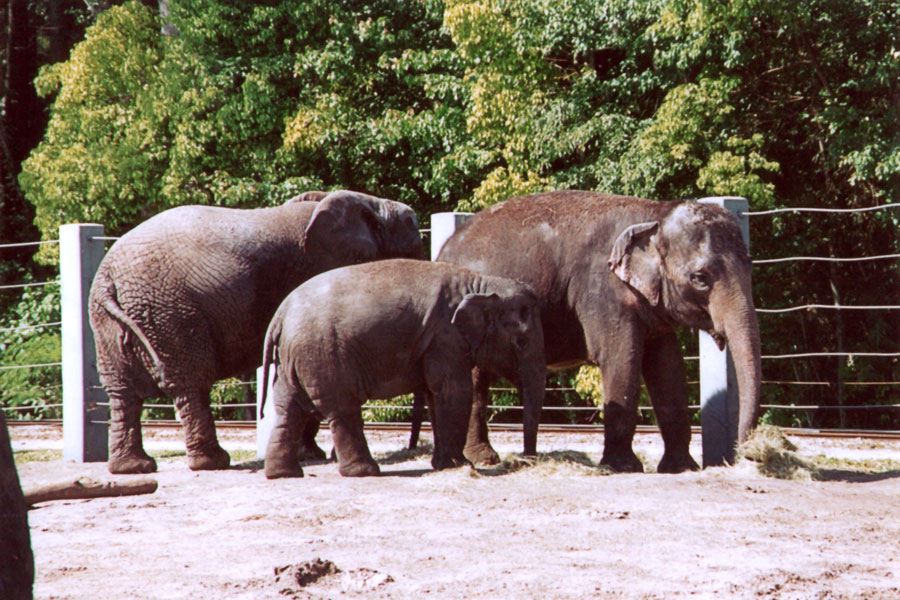
Jacksonville Zoo and Gardens, located along the Trout River in Jacksonville, Florida, is one of Northeast Florida’s best-known family attractions. Spanning roughly 120 acres, the zoo is home to more than 2,000 animals and over 1,000 plant species. Founded in 1914, it has grown from a small local collection into a major zoological and botanical destination known for immersive habitats, well-kept grounds, and a strong focus on conservation and education.
Visitors can explore a mix of signature animal exhibits, gardens, family rides, seasonal events, and educational experiences throughout the campus. Jacksonville Zoo and Gardens is accredited by the Association of Zoos and Aquariums (AZA), reflecting recognized standards for animal care, conservation, and guest education. Encounter offerings, showtimes, and ride availability may change, so it is wise to check the official website before visiting.
History and Mission
Jacksonville Zoo and Gardens began modestly in 1914 with the purchase of a single red deer. Over the decades, the zoo expanded its animal collection and upgraded its grounds to better serve both wildlife and guests. Major development in the late 20th century introduced more naturalistic habitats, including popular areas such as Range of the Jaguar and Plains of East Africa.
The zoo’s mission is to “foster understanding of wildlife and inspire conservation action.” That mission is reflected in its support for species protection, public education, habitat awareness, and sustainable practices on and beyond zoo grounds.
Exhibits and Animal Encounters
1. Range of the Jaguar: One of the zoo’s most recognized and award-winning areas, Range of the Jaguar highlights animals native to Central and South America in a lush, immersive setting inspired by tropical habitats.
- Jaguars: The exhibit is centered around its jaguars, one of the zoo’s signature species and an important focus of conservation messaging.
- Giant Otters: Guests can often watch giant otters swimming and playing in a spacious aquatic habitat.
- Capybaras and Anteaters: Capybaras and giant anteaters help round out the exhibit’s South American wildlife theme.
2. African Savanna: The African Savanna area brings together some of the continent’s most familiar animals in open, visually striking habitats that evoke a safari setting.
- Giraffes: One of the most popular stops is the Giraffe Overlook, where feedings may be offered on select days or at scheduled times.
- Zebras, Ostriches, and Warthogs: These species help create the feel of a broad African plains exhibit.
- Lions: The lion habitat gives visitors a chance to watch these big cats from relatively close viewing areas.
3. Plains of East Africa: This area focuses on wildlife from East Africa, with roomy habitats designed for large mammals.
- Elephants: Jacksonville Zoo and Gardens is well known for its African elephant habitat, which includes space for roaming, social interaction, and natural behaviors.
- Rhinos: White rhinos are another highlight in this section, reinforcing the zoo’s broader conservation message around threatened wildlife.
4. Wild Florida: Wild Florida highlights native wildlife of the Sunshine State, with an emphasis on animals associated with wetlands, forests, and freshwater habitats.
- American Alligators: Visitors can observe one of Florida’s most recognizable reptiles in a habitat designed to reflect the state’s natural waterways.
- Florida Panthers: This section also spotlights one of Florida’s most iconic and vulnerable native animals.
- Manatees and River Otters: Aquatic displays and featured animal residents may include species tied to Florida’s waterways, such as river otters and, when part of current programming or care partnerships, manatees.
5. Asian Bamboo Gardens and Komodo Dragon Exhibit: This landscaped section combines garden design with reptile viewing, including Komodo dragons in a setting that complements the surrounding bamboo plantings.
6. Land of the Tiger: Land of the Tiger takes visitors into a Southeast Asian-inspired environment where endangered tigers can be viewed in a more naturalistic habitat.
- Tiger Trails: Elevated pathways and creative exhibit design can bring the animals visually closer to guests while encouraging natural movement.
7. African Forest: The African Forest area highlights primates such as chimpanzees and gorillas in enriched habitats designed for climbing, social behavior, and observation.
8. Australian Adventure: This walk-through style area focuses on wildlife from Australia, often including species such as kangaroos, wallabies, and cassowaries.
9. Penguin Exhibit: The zoo’s penguin habitat features Magellanic penguins, giving visitors an opportunity to watch them swim, dive, and gather in a climate-controlled environment.
Gardens at the Jacksonville Zoo
In addition to its animal collection, Jacksonville Zoo and Gardens is known for its horticultural displays. Landscaped pathways, themed plantings, and shaded rest areas help set it apart from a typical zoo-only experience.
- Savanna Blooms Garden: Near the African exhibits, this area adds colorful plantings suited to Florida’s warm climate.
- Gardens of Trout River Plaza: This scenic section offers fountains, walkways, and a quieter spot to pause during a visit.
- Bamboo Garden: The bamboo plantings near the Komodo dragon area create one of the zoo’s more tranquil and visually distinctive garden spaces.
Conservation and Education
1. Wildlife Conservation: Jacksonville Zoo and Gardens supports conservation work through animal care, breeding programs, field partnerships, and public awareness. It participates in numerous Species Survival Plans (SSPs), collaborative programs that help maintain healthy populations of threatened species in accredited institutions.
2. Education Programs: The zoo offers educational opportunities for families, students, and school groups through camps, field trips, tours, and interpretive programs designed to connect visitors with wildlife and conservation topics.
- Zoo School: Youth-focused programming helps young learners explore the natural world through hands-on activities and age-appropriate lessons.
- Zoo Teaches: Workshops, classes, and outreach efforts may cover animal behavior, ecosystems, and the role modern zoos play in conservation.
Events and Experiences
1. Zoo Lights: During the holiday season, Jacksonville Zoo and Gardens typically hosts a festive light event featuring illuminated displays and family-friendly activities. Dates, hours, and ticket requirements may vary by year.
2. Spooktacular: This fall event is a popular seasonal offering with trick-or-treating, themed décor, and kid-friendly Halloween fun.
3. Animal Encounters: The zoo may offer a range of add-on experiences, such as giraffe feedings, penguin encounters, or other behind-the-scenes opportunities. Availability, age requirements, and pricing can change.
4. Train and Carousel: Family rides such as the Zoo Train and Wildlife Carousel add to the appeal for younger visitors. Operating schedules are typically weather- and attendance-dependent.
Vicinity of Jacksonville Zoo & Gardens
About the Area
Jacksonville Zoo and Gardens sits in the northern part of Jacksonville near the Trout River, making it an easy addition to a broader city itinerary. It is a major recreational and educational asset for the region, drawing families, school groups, and out-of-town visitors looking for a mix of wildlife, gardens, and kid-friendly activities.
Nearby Attractions
- Cummer Museum of Art & Gardens
Explore a notable art collection and enjoy historic riverside gardens along the St. Johns River. - Jacksonville Arboretum & Gardens
Walk scenic trails through diverse natural habitats at one of the city’s quieter outdoor attractions. - Fort Caroline National Memorial
Learn about the area’s layered colonial history at this important historic site. - Big Talbot Island State Park
Head to the coast for hiking, birding, paddling, and striking shoreline scenery.
Additional Details
- Location: Jacksonville Zoo and Gardens is located at 370 Zoo Parkway, Jacksonville, FL 32218.
- Hours of Operation: Hours vary by date, season, and special events. Check the official website for current daytime admission hours and any after-hours event schedules.
- Admission: Ticket prices typically vary by age, date, and special event. Buying tickets online in advance may help streamline entry.
- Parking: On-site parking is available. Parking fees, payment methods, and member benefits may vary, so confirm current details before arrival.
- Accessibility: The zoo is designed to be broadly accessible, with paved pathways and guest services for visitors with mobility needs. Wheelchair and stroller availability may vary.
- Dining and Shopping: Guests can usually find casual dining, snacks, cold drinks, and a gift shop with souvenirs and animal-themed items.
For more information visit: https://www.jacksonvillezoo.org/