Charlotte Harbor Preserve State Park
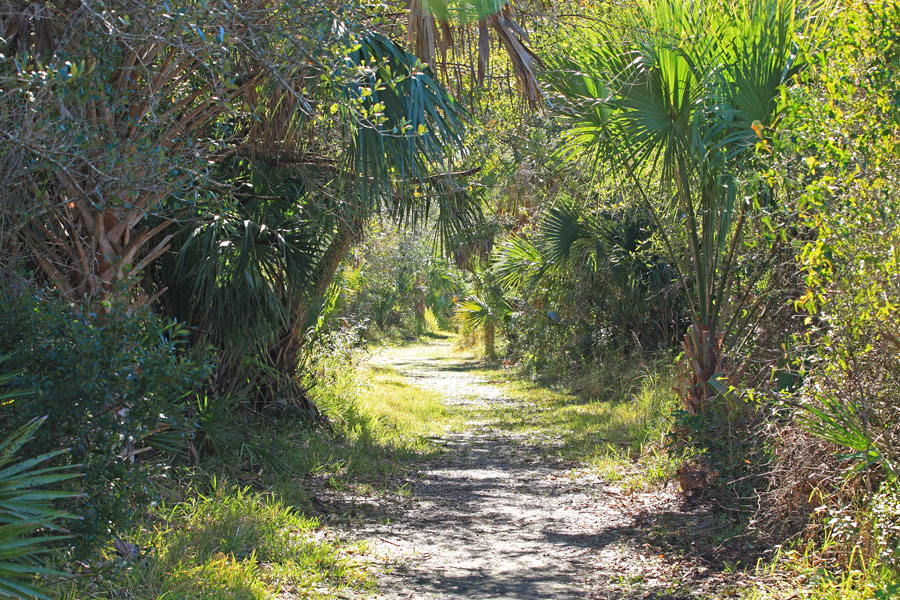
Charlotte Harbor Preserve State Park, spanning more than 45,000 acres, is one of Florida’s largest state parks and a vital part of the region’s ecological heritage. Located in Southwest Florida near Punta Gorda and Port Charlotte, this expansive preserve protects a remarkable mix of mangrove shoreline, salt marsh, tidal creeks, pine flatwoods, and freshwater wetlands. Because the park is spread across multiple units around Charlotte Harbor, visitors will find different trailheads, launches, and levels of amenities depending on which access point they choose.
A Natural Treasure
- Ecological Importance:
- Charlotte Harbor is one of Florida’s largest and most important estuaries, where freshwater rivers meet coastal saltwater to create rich habitat for fish, birds, and other wildlife.
- The park helps protect critical habitat for species such as manatees, dolphins, sea birds, wading birds, and a wide variety of estuarine life, while also buffering fragile shorelines with mangroves and marshes.
- Diverse Habitats: The preserve includes mangrove forests, salt marshes, seagrass areas, tidal creeks, scrubby uplands, pine flatwoods, and freshwater wetlands, making it an outstanding destination for visitors interested in Florida’s coastal ecology.
- A Park of Many Access Points: Unlike parks with one main entrance, Charlotte Harbor Preserve State Park is made up of separate protected areas around the harbor, so planning ahead with a map is especially helpful for first-time visitors.
Recreational Activities
- Hiking and Nature Walks:
- Explore scenic trails and natural access areas that pass through coastal habitats, pine flatwoods, and wetlands.
- Trail conditions and distances vary by access point, and some routes may be more rustic than visitors expect.
- Kayaking and Canoeing:
- Paddlers can explore quiet waterways, tidal creeks, and mangrove-lined shorelines for an up-close look at the preserve’s coastal ecosystems.
- Some launches provide access to regional paddling routes, including waters connected with the Great Calusa Blueway. Wind, weather, and tides can strongly affect conditions.
- Fishing: The estuarine waters around the preserve are known for species such as snook, redfish, and tarpon. Always follow current state regulations and any posted local access rules.
- Wildlife Viewing:
- Charlotte Harbor Preserve is an excellent place for birding, with opportunities to spot ospreys, herons, egrets, roseate spoonbills, and other coastal birds depending on season and water levels.
- Visitors may also see manatees, dolphins, otters, alligators, and smaller mammals in upland areas. Wildlife sightings are never guaranteed, but the habitat diversity here makes the preserve especially rewarding.
- Photography and Quiet Nature Study: With broad views of marsh, harbor waters, and native vegetation, the park is also a strong choice for nature photography, sketching, and low-key outdoor exploration.
Educational Opportunities
- Interpretive Information: Some access areas include kiosks, trailhead information, or signage that helps explain local habitats, wildlife, and conservation priorities.
- Nearby Environmental Partners: Organizations in the Charlotte Harbor region, including the Charlotte Harbor Environmental Center and other local nature-focused groups, may offer walks, classes, or exhibits related to the harbor’s ecology.
- Seasonal Programs: Ranger-led or partner-led activities may be offered at certain times of year. Check the official park page for current programming and access updates.
Accessibility and Amenities
- Parking and Access: Multiple access points and parking areas are located around the preserve, but there is no single central visitor entrance for the entire park.
- Rustic Experience: Charlotte Harbor Preserve State Park is more natural and lightly developed than many Florida parks. Amenities can be limited, and some trailheads offer fewer services than visitors may expect.
- Restrooms and Picnic Areas: Facilities such as restrooms, picnic tables, and launch support are available only at select access points, so it is smart to confirm details before arriving.
- Camping: Camping opportunities, if available, are limited and may require advance planning, permits, or use of specific sites. Verify current options through the official park page before making plans.
- Accessibility: Surface conditions range from boardwalks and improved paths to natural terrain. Visitors with specific mobility needs should review current site details in advance.
Conservation and Restoration Efforts
- Habitat Protection: The park plays a critical role in preserving mangrove forests, marshes, and uplands that serve as nurseries for marine life and help protect coastal communities.
- Water Quality: Ongoing stewardship helps protect estuarine waters that support fish, shellfish, seagrass systems, and bird life throughout the harbor.
- Volunteer Opportunities: Regional programs may allow visitors to assist with habitat restoration, cleanups, and environmental education. Availability varies over time.
Vicinity of the Preserve
Visitor Information
- Location: The preserve has multiple access points around the Charlotte Harbor region, including areas near Punta Gorda, Port Charlotte, Cape Haze, and Placida.
- Hours: Florida State Parks are generally open daily from 8:00 AM until sundown, although access conditions and gate availability can vary by site and date.
- Admission: Fees, parking charges, or launch costs may vary by access point. Check the official park page and posted signage for the most current information before visiting.
- Planning Ahead: Because the preserve is spread across several units, review maps and choose your intended trailhead or launch site before leaving home.
- Official Information:
- Website: Florida State Parks – Charlotte Harbor Preserve State Park

- Use the official state park page for current maps, alerts, access details, and contact information for the appropriate park office.
- Website: Florida State Parks – Charlotte Harbor Preserve State Park
Nearby Attractions
- Fishermen’s Village: A nearby waterfront complex offering shopping, dining, and marina activities in Punta Gorda.
- Peace River Wildlife Center: A wildlife-focused attraction in Punta Gorda that complements a nature-oriented day in the area.
- Gasparilla Island State Park: Known for its beaches, lighthouse, and Gulf Coast scenery, it makes an appealing side trip from the Charlotte Harbor region.
Tips for Visiting
- Bring Essentials: Pack water, sun protection, insect repellent, and snacks, especially if you are visiting one of the more rustic access areas.
- Wear Appropriate Footwear: Trails may include sand, roots, mud, or uneven terrain, so sturdy shoes are recommended.
- Check Weather and Tides: Conditions can change quickly in coastal Florida, and paddling or shoreline access may be affected by tides, wind, and storms.
- Use a Map: Since the preserve has several separate access points, confirm your destination before you go rather than relying on a single park address.
- Respect Wildlife: Observe animals from a safe distance and follow Leave No Trace principles to help protect sensitive habitats.
Why Visit Charlotte Harbor?
Charlotte Harbor Preserve State Park offers one of the most authentic looks at Southwest Florida’s coastal wildlands. It is less about big built amenities and more about paddling quiet water, walking natural trails, spotting birds over marshes, and experiencing a landscape that still feels largely untouched. For visitors who enjoy wildlife, photography, kayaking, fishing, and peaceful scenery, this preserve is one of the region’s most rewarding outdoor destinations.
For more information visit: https://www.floridastateparks.org/parks-and-trails/charlotte-harbor-preserve-state-park