National Key Deer Refuge
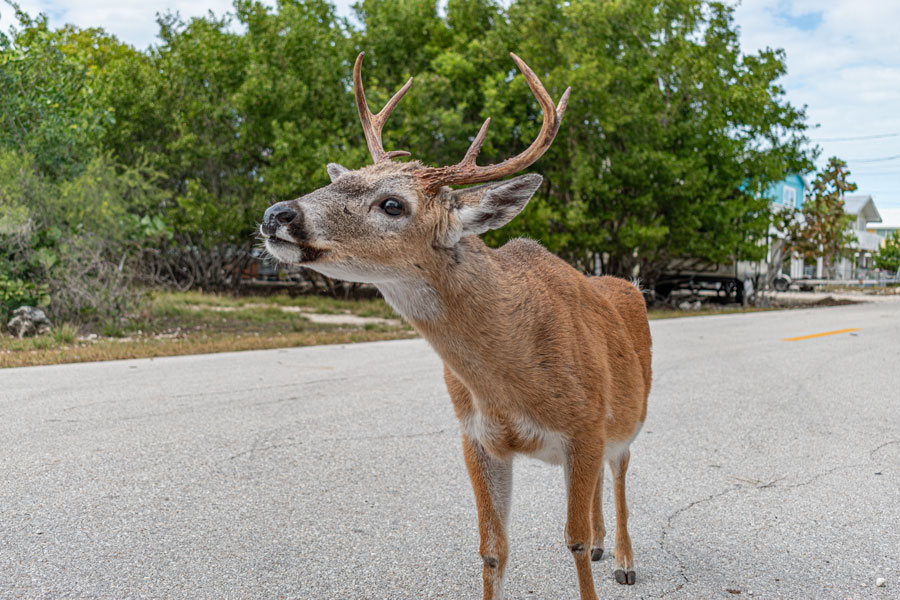
Located on Big Pine Key and surrounding islands in the Lower Florida Keys, the National Key Deer Refuge was established in 1957 to help protect the endangered Key deer and the habitats they depend on. Today, the refuge preserves a remarkable mix of pine rocklands, hardwood hammocks, freshwater wetlands, mangroves, and coastal habitat while giving visitors a chance to experience a quieter, wilder side of the Keys.
For nature lovers, birders, photographers, and anyone looking to slow down for a few hours, the refuge offers rewarding wildlife viewing, scenic drives, short walks, and a strong sense of place that feels very different from the busier parts of the island chain.
Things to Do at National Key Deer Refuge
- Spot the Iconic Key Deer
The refuge is home to the Key deer, a small subspecies of white-tailed deer found only in the Florida Keys:- Key deer are often most active in the early morning and late afternoon.
- Watch for them in open areas, near native vegetation, and along quiet roadsides, but always give them space.
- Drive cautiously through Big Pine Key, especially around dawn and dusk, since deer may cross the road unexpectedly.
- Explore the Blue Hole
The Blue Hole is one of the refuge’s best-known stops, a former quarry that now serves as a freshwater wildlife-viewing area:- Look for alligators, turtles, fish, and a variety of birds around the water.
- Nearby paths and observation areas make it a popular stop for a short walk and photos.
- Interpretive signs help explain the area’s wildlife and habitat.
- Hike the Nature Trails
The refuge features several short trails and wildlife-viewing areas that showcase different Lower Keys habitats. Popular options include:Trail conditions, closures, and seasonal access may change, so check posted signs when you arrive.- Jack C. Watson Nature Trail: A short, easy walk through pine rocklands and open habitat where visitors may spot Key deer and native plants.
- Fred C. Manillo Wildlife Trail: A longer trail for a deeper look at the refuge’s ecosystems, with chances to see birds, butterflies, and seasonal wildflowers.
- Briar Patch Trail: A quieter path through hammock habitat that can be rewarding for birdwatching and a peaceful stroll.
- Birdwatching
The refuge is an excellent place to look for both resident and migratory birds:- Wading birds such as herons, egrets, and roseate spoonbills may be seen in wetland and shoreline areas.
- Ospreys, hawks, and songbirds can also be found in the pine rocklands and hammocks.
- Spring and fall migration periods can be especially rewarding for birders.
- Photography and Wildlife Viewing
The refuge’s natural beauty and quiet atmosphere make it ideal for photography:- Photograph Key deer, wetland scenery, native plants, and changing light across the landscape.
- Early morning and late afternoon usually offer the best lighting and the best chances for wildlife activity.
Additional Activities
- Attend Educational Programs
Ranger-led talks, partner programs, or seasonal events may be offered at times during the year. Check current listings before your visit if you are hoping for a guided experience. - Cycling
Biking can be a pleasant way to explore parts of Big Pine Key and nearby roads, but follow posted rules because many refuge trails and sensitive areas are intended for foot traffic and wildlife protection. - Nearby Paddling and Fishing
The refuge is best known for land-based wildlife viewing, while surrounding public waters around Big Pine Key offer kayaking, boating, and fishing opportunities where permitted.
Amenities & Facilities
- Parking Areas: Limited parking is available near popular stops such as Blue Hole and select trail access points.
- Interpretive Signage: Some sites include educational panels or kiosks that explain the refuge’s wildlife, habitats, and conservation work.
- Trails and Viewing Areas: Short trails, overlooks, and pull-offs offer convenient places to watch for wildlife and enjoy the scenery.
- Visitor Services: On-site services can be limited, and restroom availability may vary by location, so it is smart to plan ahead before heading out.
Accessibility
Accessibility varies by site within the refuge, with some stops easier to visit than others:
- Parking: Some key viewing areas offer relatively convenient parking close to the attraction.
- Paths and Trails: Natural-surface trails may be uneven, sandy, rocky, or affected by weather, so conditions can differ from one location to another.
- Planning Ahead: Check the official refuge page for the latest information on site access, trail conditions, and any temporary closures.
Tips for Visiting National Key Deer Refuge
- Arrive Early or Late: Dawn and dusk are often the best times for wildlife activity, including Key deer sightings.
- Bring Essentials: Pack water, sun protection, insect repellent, and comfortable walking shoes for a more pleasant visit.
- Drive Cautiously: Reduced speeds in parts of Big Pine Key help protect Key deer. Stay alert for crossings at all times.
- Respect Wildlife: Never feed, touch, or approach Key deer or other animals. Observing from a safe distance helps protect both wildlife and visitors.
- Check Current Conditions: Hours, access points, and temporary closures can vary by site and season, so review current information before you go.
- Plan for a Quiet Experience: This is a peaceful destination best enjoyed at a relaxed pace, with time for short walks, wildlife watching, and scenic stops.
Vicinity of National Key Deer Refuge
Nearby Attractions
- Bahia Honda State Park: Just a short drive away, this park offers beautiful beaches, kayaking, and snorkeling.
- Big Pine Key Community Park: A family-friendly park with sports facilities, a playground, and picnic areas.
- Looe Key Reef: Accessible via boat tours, this marine sanctuary is a must-visit for snorkeling and diving enthusiasts.
- No Name Key: A quiet island connected to Big Pine Key, perfect for cycling and exploring untouched nature.
Why Visit National Key Deer Refuge?
The National Key Deer Refuge offers a memorable look at one of Florida’s most distinctive ecosystems and one of its most beloved native animals. With its scenic wildlife-viewing spots, diverse habitats, and calm atmosphere, it is a rewarding stop for nature lovers exploring the Florida Keys. Whether you are hoping to glimpse Key deer, scan the Blue Hole for birds and reptiles, or simply enjoy a quieter side of the Lower Keys, the refuge delivers an experience rooted in conservation and natural beauty.
For current alerts, maps, and visitor information, visit the National Key Deer Refuge official website