Kingsley Plantation in Jacksonville
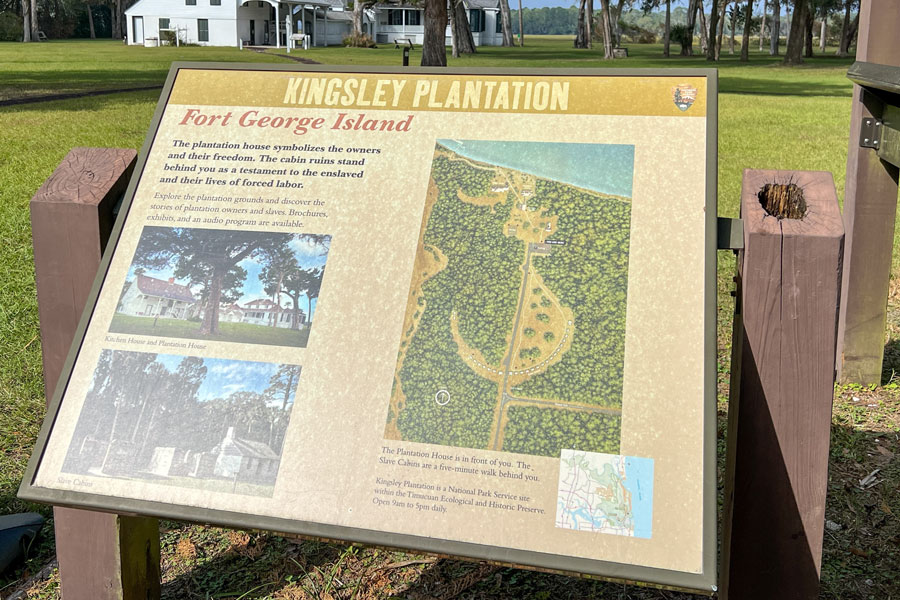
Kingsley Plantation, located on Fort George Island in Jacksonville, Florida, is part of the Timucuan Ecological and Historic Preserve, managed by the National Park Service. Centered on a plantation house built in 1798 and a remarkable row of tabby cabins associated with enslaved laborers, the site offers an important look at plantation life in Spanish Florida and the early United States. Named for planter Zephaniah Kingsley, the plantation is also closely connected to Anna Madgigine Jai Kingsley, who was born in West Africa, enslaved, later freed, and became a landowner. Today, the site serves as a place for learning, reflection, and a deeper understanding of Florida’s history.
Because Kingsley Plantation is a preserved historic site, access to certain buildings, ranger programs, and hours may vary by date. Before visiting, check the official National Park Service page for current information, alerts, and any temporary closures.
Top Attractions at Kingsley Plantation
- The Plantation House
The centerpiece of the site, the plantation house dates to 1798:- One of the oldest surviving plantation houses in Florida.
- Its architecture and setting help interpret the island’s colonial and plantation-era history.
- Depending on the day’s operations, visitors may experience the house through exterior viewing, interpretive exhibits, or ranger programs.
- Tabby Cabins of the Enslaved Community
A sobering and significant part of the site:- A preserved row of 25 tabby cabins made from oyster shells, lime, sand, and water.
- These structures help tell the story of the enslaved people whose labor sustained the plantation.
- Interpretation throughout the grounds highlights daily life, resistance, resilience, and community.
- Barn and Kitchen House
Additional historic structures help explain how the plantation operated:- The barn and related outbuildings illustrate agricultural work and storage on the plantation.
- The kitchen house offers insight into food preparation and domestic labor during the period.
- Interpretive Exhibits
Informational panels and exhibits throughout the site provide context on:- The plantation economy and the central role of enslaved labor.
- The lives of Zephaniah Kingsley, Anna Kingsley, their family, and the broader community connected to the plantation.
- The island’s cultural landscape within the larger Timucuan preserve.
Historical Significance
- Zephaniah Kingsley and Anna Kingsley
The story of Zephaniah Kingsley and Anna Madgigine Jai Kingsley is central to understanding the site:- Anna Kingsley gained her freedom and became a landowner and businesswoman in a society shaped by slavery and colonial rule.
- Their complex and often controversial history sheds light on race, slavery, freedom, and social structures in early Florida.
- A Wider Cultural Landscape
Kingsley Plantation is part of a larger protected area that preserves both natural and human history:- Timucuan Ecological and Historic Preserve connects coastal environments with stories of Indigenous communities, colonial settlement, and plantation life.
- The surrounding marshes, river views, and maritime forest add context to how people lived and worked on Fort George Island.
Recreational and Educational Activities
- Ranger Programs
Learn more about the plantation’s history through National Park Service talks or tours when scheduled:- Programs may focus on the plantation house, the tabby cabins, and the experiences of the enslaved community.
- Availability can vary by season, staffing, and special events.
- Self-Guided Exploration
Many visitors enjoy exploring the grounds at their own pace:- Wayside exhibits and preserved structures help bring the site’s history to life.
- The riverfront and open landscape make the visit scenic as well as educational.
- Nature Walks Nearby
Explore the scenic beauty of Fort George Island:- Nearby trails and parklands offer views of salt marshes, maritime forest, and the island’s historic setting.
- Educational Programs
The site may host school visits, special events, or interpretive programs:- Topics often include slavery, African American history, coastal ecology, and preservation.
Map and Location
Nearby Attractions
Enhance your visit with these nearby destinations:
- Fort George Island Cultural State Park: Explore more of the island’s historic landscape, scenic roads, and outdoor recreation opportunities.
- Big Talbot Island State Park: Known for its dramatic driftwood shoreline, coastal habitat, and nature trails.
- Jacksonville Zoo and Gardens: A family-friendly Jacksonville attraction featuring wildlife exhibits and landscaped gardens.
- Timucuan Ecological and Historic Preserve: Explore the broader preserve for additional natural areas and historic sites connected to Northeast Florida’s coastal past.
Amenities
- Parking: On-site parking is typically available for visitors.
- Restrooms: Basic restroom facilities are generally available near visitor-use areas.
- Interpretive Signage: Self-guided exhibits and wayside panels help explain the site’s buildings and history.
- Limited Services: This is a historic outdoor site rather than a large museum complex, so amenities may be more limited than at major urban attractions.
Accessibility
Kingsley Plantation works to provide an inclusive experience, but accessibility can vary because of historic buildings and outdoor surfaces:
- Accessible Parking: Accessible parking spaces may be available on-site.
- Paths and Viewing Areas: Some walkways and visitor areas may be accessible, though uneven ground and historic surfaces can affect mobility.
- Service Animals: Permitted in accordance with ADA guidelines.
- Plan Ahead: Check the official National Park Service page for the latest accessibility information and program accommodations.
Tips for Visiting Kingsley Plantation
- Check Current Hours and Alerts: Schedules, ranger programs, and building access may change by date or season.
- Wear Comfortable Shoes: The visit can involve walking across outdoor paths and uneven ground.
- Bring Water, Sun Protection, and Bug Spray: Conditions on Fort George Island can be hot, humid, and buggy, especially in warmer months.
- Take Time With the Exhibits: This is a place for reflection as well as sightseeing, and the interpretive panels add important context.
- Respect the History: The site addresses slavery and lived experiences that are painful and important; approach it with care and respect.
Why Visit Kingsley Plantation?
Kingsley Plantation is one of Northeast Florida’s most meaningful historic places. Its preserved plantation house, tabby cabins, and waterfront setting create a powerful environment for learning about colonial Florida, slavery, freedom, and the people whose lives shaped Fort George Island. Whether you are interested in history, culture, or the broader landscape of the Timucuan Ecological and Historic Preserve, it is a memorable stop when visiting Jacksonville.
For current hours, accessibility details, ranger programs, and alerts, visit the official National Park Service page for Timucuan Ecological and Historic Preserve: https://www.nps.gov/timu/index.htm