Everglades National Park
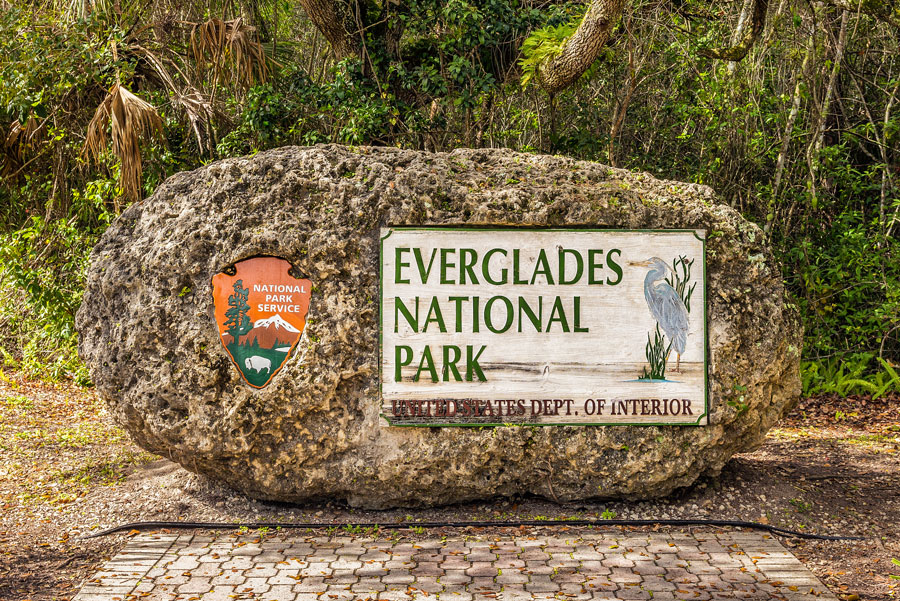
Everglades National Park, located in South Florida, is one of the most extraordinary natural areas in the United States. Covering more than 1.5 million acres, it is the largest subtropical wilderness in the country and a UNESCO World Heritage Site. Known for its vast wetlands, diverse ecosystems, and remarkable wildlife, the Everglades give visitors a chance to experience a landscape unlike anywhere else in Florida.
One important thing to know before you go: the park’s main visitor areas are spread far apart, including the Homestead entrance, Shark Valley, and the Everglades City district. Choose the area that best fits your plans, as drive times between districts can be significant and services, tours, and hours vary by location and date.
Top Features of Everglades National Park
- Diverse Ecosystems
The park protects a striking range of habitats, including:- Sawgrass Marshes: The iconic “River of Grass” stretches across broad freshwater prairies.
- Mangrove Forests: These coastal habitats help shelter marine life and buffer the shoreline.
- Pine Rocklands and Hardwood Hammocks: Rare upland communities that provide habitat for unique plants and animals.
- Abundant Wildlife
The Everglades are home to many notable species:- American Alligator: A signature species often seen along trails, canals, and marsh edges.
- Florida Panther: An elusive and endangered animal that inhabits parts of South Florida, though sightings are rare.
- Birdlife: Herons, egrets, roseate spoonbills, wood storks, and many other wading birds and raptors can be found here.
- Manatees and Dolphins: Sometimes spotted in coastal and bay waters, especially around Flamingo and the Ten Thousand Islands region.
- Unique Hydrology
The slow-moving sheet flow of water that historically traveled south from the Lake Okeechobee watershed to Florida Bay shaped the Everglades’ distinctive ecosystems.
Recreational Activities
- Airboat Tours
Airboat rides are a popular way to experience the greater Everglades region, though they are generally offered by operators outside the national park rather than within the park itself.- Regional tours can provide a fast-paced look at wetlands landscapes and wildlife habitats.
- If an airboat ride is part of your plan, confirm the departure location and whether it is inside or outside park boundaries.
- Hiking and Walking Trails
Explore the Everglades on foot with easy and scenic trails such as:- Anhinga Trail: One of the park’s best-known walks for close-up wildlife viewing and easy access.
- Gumbo Limbo Trail: A shaded path through a tropical hardwood hammock.
- Kayaking and Canoeing
Paddle through freshwater ponds, coastal bays, and mangrove tunnels:- The Nine-Mile Pond Canoe Trail and Hell’s Bay Canoe Trail are popular options for experienced paddlers.
- Conditions, water levels, weather, and rentals can vary, so check current information before launching.
- Wildlife Viewing
- Bring binoculars for birdwatching and keep an eye out for reptiles, fish, and mammals in their natural habitats.
- Early morning and late afternoon are often rewarding times for both photography and wildlife activity.
- Camping
Stay overnight in one of the park’s designated campgrounds:- Flamingo Campground: A well-known base for Florida Bay views, boating access, and dark skies.
- Long Pine Key Campground: A quieter setting in the pine rocklands; availability may be seasonal.
Visitor Centers
- Ernest F. Coe Visitor Center
A primary gateway to the park near the Homestead entrance:- Features educational exhibits, orientation materials, and park information.
- Located near the park entrance in Homestead, Florida.
- Shark Valley Visitor Center
Offers access to scenic tram and bicycle routes, plus the Shark Valley Observation Tower. - Nathaniel P. Reed Visitor Center
Located in Everglades City, this visitor area serves as a gateway to the Ten Thousand Islands and nearby coastal waters. - Guy Bradley Visitor Center
Flamingo’s main visitor facility is a convenient starting point for boating, fishing, paddling, camping, and wildlife viewing.
Vicinity of the Park
Nearby Attractions
- Big Cypress National Preserve: Adjacent to the Everglades, with scenic drives, wildlife viewing, paddling, and swamp adventures.
- Biscayne National Park: Known for coral reefs, boating, snorkeling, and other water-based experiences.
- Florida Keys: A nearby island chain with tropical scenery, beaches, and water sports.
- Miami: A major city within easy reach, offering beaches, dining, arts, and nightlife.
Amenities
- Restrooms: Available at major visitor areas, though not at every trail or stop.
- Boat and Paddling Rentals: Canoes, kayaks, or other watercraft may be available seasonally in select areas, especially Flamingo.
- Picnic Areas: Several day-use areas offer tables and space for a break between activities.
- Gift Shops: Visitor areas and park concession locations may offer souvenirs, maps, snacks, and travel essentials.
Accessibility
Everglades National Park offers accessible options for many visitors, although facilities and services vary by district:
- Accessible Trails: Popular walks such as the Anhinga Trail include accessible features and are among the easiest ways to experience the park.
- Visitor Facilities: Major visitor centers generally provide accessible restrooms, parking, and exhibits.
- Service Animals: Allowed in accordance with ADA guidelines.
- Tram Tours: Shark Valley tram accommodations may be available, but it is best to confirm current accessibility details when planning your visit.
Tips for Visiting Everglades National Park
- Plan Ahead: Check weather, road conditions, and park or visitor center hours before arriving, since services can vary by district and season.
- Choose Your Entrance Carefully: The park’s major access points are not close together, so map your route before you leave.
- Pack Essentials: Bring sunscreen, insect repellent, water, sun protection, and sturdy footwear.
- Respect Wildlife: Keep a safe distance from animals and never feed them.
- Take a Map: Cell service can be limited, so a downloaded or printed map is helpful.
- Book Popular Activities Early: Tram tours, boat tours, camping, and some rentals can fill up during busy periods.
- Visit in the Dry Season for Comfort: Late fall through spring often brings cooler temperatures, easier wildlife viewing, and fewer insects, though conditions can change year to year.
Why Visit Everglades National Park?
Everglades National Park is one of Florida’s most unforgettable destinations, combining rare ecosystems, outstanding wildlife viewing, scenic paddling routes, and a true sense of wild space. Whether you want an easy boardwalk walk, a long day of exploration, or a deeper look at South Florida’s natural heritage, the “River of Grass” delivers an experience found nowhere else in the state.
For official trip-planning information, visit the National Park Service page: https://www.nps.gov/ever/planyourvisit/index.htm