Big Cypress National Preserve
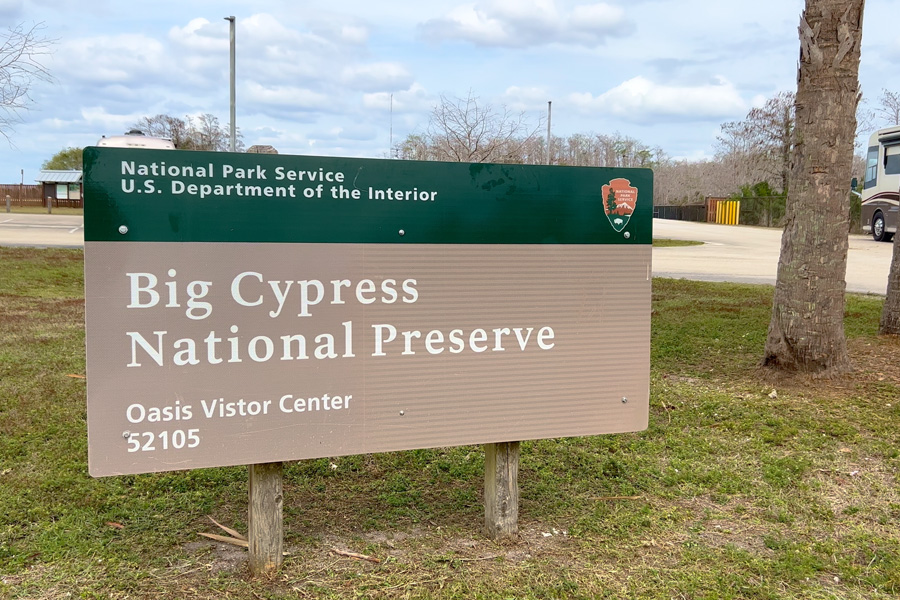
Big Cypress National Preserve, located in South Florida, protects more than 729,000 acres of wetlands, cypress strands, pinelands, prairies, and hardwood hammocks. Adjacent to Everglades National Park, the preserve is a vital part of the greater Everglades ecosystem. Visitors come here for scenic drives, wildlife viewing, paddling, camping, and a closer look at one of Florida’s most distinctive landscapes.
Features of Big Cypress National Preserve
- Cypress Swamps and Wetlands
- Towering bald cypress and broad wet prairie habitats help define the preserve’s wild, subtropical scenery.
- These wetlands are important for water storage, water flow, and the long-term health of the Everglades system.
- Rich Biodiversity
- The preserve supports a wide variety of plant and animal life, including:
- Florida Panther: One of the rarest and most iconic animals associated with the region.
- American Alligator: Frequently seen along canals, boardwalks, and wetland edges.
- Birdlife: Wading birds, raptors, and migratory species are among the preserve’s major highlights.
- Orchids and Bromeliads: Native plants add color and texture to the swamp and hammock habitats.
- The preserve supports a wide variety of plant and animal life, including:
- Scenic Drives
- Tamiami Trail (U.S. 41) passes through the preserve and provides access to overlooks, trails, and visitor facilities.
- Loop Road Scenic Drive: A roughly 27-mile route through the preserve, popular for wildlife spotting and backcountry scenery. Road conditions can vary, and portions are unpaved.
Recreational Activities
- Hiking
Big Cypress offers options for different experience levels:- Kirby Storter Boardwalk: A short and popular walk leading into a beautiful cypress setting.
- Florida Trail: A longer-distance route for visitors seeking a more adventurous outing.
- Wildlife Observation
- Look for alligators, turtles, wading birds, and other native wildlife throughout the preserve.
- Early morning and late afternoon often provide some of the best viewing opportunities, though wildlife sightings are never guaranteed.
- Camping
The preserve offers frontcountry and backcountry camping options:- Midway Campground: A convenient base for many visitors, with amenities and site availability that may vary by season and reservation status.
- Backcountry Camping: Suitable for travelers looking for a more remote experience; permits or advance planning may be required.
- Fishing and Hunting
- Allowed in designated areas, subject to preserve regulations, seasons, and applicable licenses or permits.
- Conditions, access, and regulations can change, so it is best to confirm current rules before heading out.
- Canoeing and Kayaking
- Paddling routes such as Turner River and Halfway Creek offer immersive views of the preserve, with water levels and route conditions varying by season.
Visitor Centers
- Nathaniel P. Reed Visitor Center
- A good starting point for exhibits, maps, orientation, and current visitor information.
- Oasis Visitor Center
- Known for wildlife viewing, exhibits, and helpful trip-planning information. Ranger programs may be offered on select dates.
Visitor center hours, ranger programs, and seasonal access can vary, so checking the official National Park Service page before you go is recommended.
Vicinity of the Preserve
Nearby Attractions
Enhance your visit with these nearby destinations:
- Everglades National Park: Known for its vast wetlands and remarkable wildlife.
- Shark Valley: Offers scenic tram tours, bike routes, and sweeping views from the observation tower.
- Collier-Seminole State Park: A nearby park with additional paddling, hiking, and camping opportunities.
- Naples: A Gulf Coast city known for beaches, dining, and shopping.
Amenities
- Restrooms: Available at select visitor centers, trail stops, and campgrounds.
- Picnic Areas: Available at some developed areas for a break between activities.
- Parking: Parking is available at visitor centers, trailheads, and several popular access points.
- Visitor Information: Maps, exhibits, and trip-planning assistance are available at major visitor facilities.
Accessibility
Big Cypress National Preserve offers accessible features at select locations, though conditions can vary by site.
- Boardwalks and Short Trails: Some developed walking areas, including popular boardwalk settings, may be easier for many visitors to use than backcountry routes.
- Service Animals: Permitted in accordance with ADA guidelines.
- Visitor Centers: Major visitor facilities generally offer accessible entrances and restrooms.
Tips for Visiting the Preserve
- Plan Ahead: Check current weather, road conditions, and visitor center hours before your trip.
- Pack Essentials: Bring water, sunscreen, insect repellent, and sturdy footwear for outdoor activities.
- Prepare for Heat and Insects: South Florida can be hot, humid, and buggy, especially in warmer months.
- Respect Wildlife: Observe animals from a safe distance and never feed them.
- Expect Limited Services in Some Areas: Cell coverage, shade, and supplies may be limited once you are deeper in the preserve.
- Check Activity Regulations: Camping, paddling, hunting, and fishing may involve permits, seasonal rules, or changing access conditions.
Why Visit Big Cypress National Preserve?
Big Cypress National Preserve offers a memorable mix of wild scenery, ecological importance, and outdoor adventure. Whether you are driving Loop Road, walking a boardwalk into the swamp, watching alligators and birds, or planning a deeper backcountry experience, the preserve delivers a side of Florida that feels expansive, remote, and deeply connected to the Everglades.
For more information, visit the official Big Cypress National Preserve page