Lake Kissimmee State Park
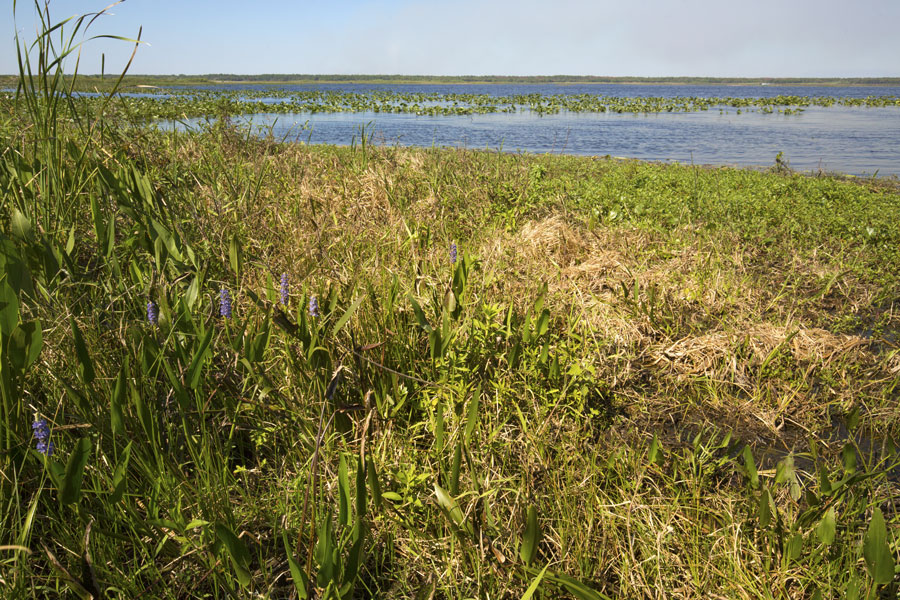
Lake Kissimmee State Park is a 5,930-acre Florida State Park in Polk County near Lake Wales, offering a classic Central Florida landscape of open prairie, pine flatwoods, oak hammocks, marshes, and shoreline habitat. Set along the Kissimmee Chain of Lakes, the park is a favorite for boating, bass fishing, hiking, camping, birding, and learning about Florida’s ranching heritage. Its mix of scenic water access, quiet trails, and living history makes it one of the region’s standout outdoor destinations.
Visitors can enjoy the park year-round, but hours, fees, program schedules, and campsite availability may change by season or date. Checking current conditions before you go is always a good idea.
Key Features of Lake Kissimmee State Park
- Three Scenic Lakes
- The park borders Lake Kissimmee, Lake Rosalie, and Tiger Lake, creating outstanding opportunities for fishing, paddling, boating, and wildlife viewing.
- Diverse Ecosystems
- Pine flatwoods, floodplain marshes, oak hammocks, and lakeshore habitat support a wide range of native plants and animals.
- Cow Camp
- This historic area recreates an 1876-era Florida cow camp and highlights the story of the state’s early cattle industry.
- Living history demonstrations and interpreter programs may be offered on select dates, giving visitors a closer look at the lives of Florida “cow hunters.”
Recreational Activities
- Hiking and Nature Trails
- More than 13 miles of trails wind through the park’s varied habitats, with routes used for hiking, wildlife watching, and nature photography.
- The Buster Island area is especially popular for scenic views and a more immersive backcountry feel.
- Boating and Paddling
- Lake Kissimmee and the surrounding waters are well suited for kayaks, canoes, and motorboats, with launch access available in the park.
- Water levels, weather, and conditions can affect access, so boaters should review current information before launching.
- Fishing
- The lakes are well known for freshwater fishing, including largemouth bass, crappie, and bluegill.
- Fishing is typically available from designated shore areas and by boat, and a valid Florida fishing license may be required.
- Camping
- Camping options may include developed campsites as well as more rustic experiences, depending on current availability and seasonal operations.
- Wildlife Observation
- Visitors often spot white-tailed deer, bobcats, otters, alligators, sandhill cranes, bald eagles, and many other native species.
Educational Opportunities
- Ranger-Led Programs
- The park may offer guided walks, interpretive talks, and seasonal programs focused on wildlife, habitats, and local history.
- Cow Camp Demonstrations
- When scheduled, these programs explore Florida cracker cattle, frontier life, and the cultural history of ranching in the region.
- Interpretive Displays
- Trailside and park information may help visitors better understand the area’s flora, fauna, and conservation importance.
Vicinity of the State Park
Nearby Attractions
Make the most of your trip with these nearby destinations:
- Spook Hill: A quirky optical illusion attraction in Lake Wales.
- Bok Tower Gardens: A National Historic Landmark with landscaped gardens and the famous Singing Tower.
- Lake Wales History Museum: Explore local history inside a restored railroad depot.
- Kissimmee Prairie Preserve State Park: Known for wide-open landscapes, wildlife, and excellent stargazing conditions.
Amenities
- Restrooms and Showers: Available in developed areas of the park, particularly near campground facilities.
- Picnic Areas: Day-use areas include places to relax, picnic, and enjoy the lake setting.
- Boat Launch Access: Launch facilities provide access for boaters, paddlers, and anglers.
- Campground Facilities: Registered campers may have access to site amenities such as picnic tables, grills, and utility hookups, depending on site type.
- Park Office or Ranger Station: Useful for orientation, maps, fees, and the latest visitor information.
Accessibility
Lake Kissimmee State Park aims to welcome a wide range of visitors, with accessible features available in some developed areas.
- Accessible Parking and Restrooms: Typically available in main visitor areas.
- Service Animals: Permitted in accordance with ADA guidelines.
- Trip Planning: Because accessible features and surface conditions can vary, it is best to contact the park directly for the most current details.
Tips for Visiting Lake Kissimmee State Park
- Plan Ahead: Bring sunscreen, insect repellent, water, and weather-appropriate clothing, especially in warmer months.
- Arrive Early: Morning hours are often best for wildlife viewing, cooler temperatures, and a quieter experience on the trails.
- Pack for the Outdoors: Binoculars, a camera, fishing gear, and sturdy shoes can help you make the most of the park.
- Respect Wildlife: Stay on designated trails, keep a safe distance from animals, and never feed wildlife.
- Reserve in Advance: Campsites and some activities can be popular during peak travel periods.
- Check Current Conditions: Water levels, weather, prescribed burns, and program schedules can affect parts of the park.
Why Visit Lake Kissimmee State Park?
Lake Kissimmee State Park offers a rewarding mix of outdoor adventure, scenery, and Florida history. Whether you want to fish the lakes, hike through natural habitats, watch for birds and wildlife, or explore the park’s historic Cow Camp, this is a place where you can slow down and experience a more natural side of the state. It is especially appealing to travelers looking for a quieter, more authentic Florida escape.
For current park information, visit the official Florida State Parks page: https://www.floridastateparks.org/parks-and-trails/lake-kissimmee-state-park