Tampa Bay History Center
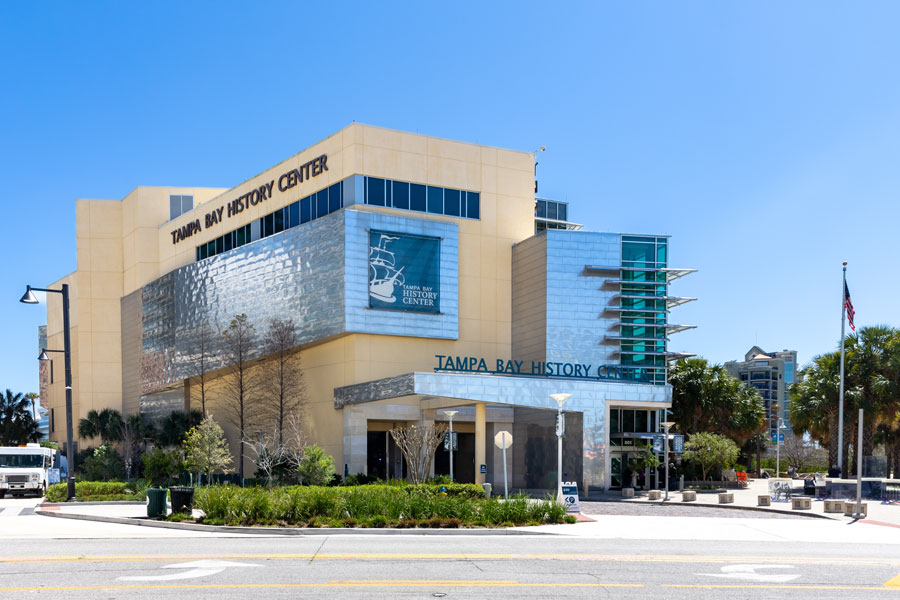
The Tampa Bay History Center, located in downtown Tampa, Florida along the waterfront near the Tampa Riverwalk, is a modern museum dedicated to the history, heritage, and cultural development of the Tampa Bay region and the state of Florida. A Smithsonian Affiliate, the museum spans three floors of exhibits exploring thousands of years of history, from Indigenous cultures and Spanish exploration to pirates, cattle ranching, immigration, and Tampa’s cigar industry. Its mix of artifacts, multimedia displays, and rotating exhibitions makes it a rewarding stop for history buffs, families, and curious travelers alike.
Features of the Tampa Bay History Center
- Three Floors of Exhibits
- Explore broad themes in regional and Florida history, spanning roughly 12,000 years from early cultures to the present day.
- Expect a mix of artifacts, immersive displays, interpretive galleries, and hands-on elements designed to keep the visit engaging.
- Florida’s First Peoples & Spanish Exploration
- Learn about Indigenous communities connected to Florida history, including the Tocobaga, Calusa, and Seminole peoples.
- See how Spanish expeditions and colonial influence helped shape the region’s early story.
- Cigar City: Tampa’s Ybor City & Cuban Influence
- Dive into Tampa’s cigar-making heritage through recreated settings, historic interpretation, and stories of workers and entrepreneurs.
- Discover the lasting influence of Cuban, Spanish, Italian, and other immigrant communities on Tampa’s culture.
- Cowmen & Crackers: Florida’s Cattle Ranching Legacy
- Highlights Florida’s ranching tradition and the role of early cattle culture in the state’s economy and identity.
- Treasure Seekers: Conquistadors, Pirates & Shipwrecks
- Maritime exhibits explore pirate lore, Spanish shipwrecks, coastal trade, and the legends that still surround Florida waters.
- Interactive interpretation helps bring seafaring history to life for both adults and kids.
- The Touchton Map Library & Florida Center for Cartographic Education
- This notable collection of historic maps offers a fascinating visual look at how Florida and the Tampa Bay area have been documented over time.
Visitor Experiences
- Self-Guided Visits & Group Tours
- Many visitors explore at their own pace, while group tours or guided options may be available on select dates or by arrangement.
- Interactive Learning
- Multimedia exhibits and hands-on stations help connect visitors with Tampa Bay’s people, places, and industries.
- Special Exhibits & Public Programs
- The museum regularly presents temporary exhibitions, talks, and cultural programs, so the experience can vary from one visit to the next.
- Family-Friendly Exploration
- Families can usually find kid-friendly displays and engaging visual storytelling, though specific activities may change by season or exhibition schedule.
Map & Location
Nearby Attractions
Enhance your visit to the Tampa Bay History Center with these nearby destinations:
- Tampa Riverwalk: A scenic waterfront path linking museums, parks, public art, and dining spots in downtown Tampa.
- Amalie Arena: Home to the Tampa Bay Lightning and a major venue for concerts and large events.
- Sparkman Wharf: A lively waterfront destination for food, drinks, and casual entertainment.
- Florida Aquarium: A popular nearby attraction featuring marine life exhibits and family-friendly experiences.
- Ybor City Historic District: A historic neighborhood known for cigar heritage, nightlife, architecture, and multicultural roots.
Amenities
- Columbia Café: An on-site dining option connected to the Columbia Restaurant family, serving Spanish-Cuban-inspired favorites in a waterfront setting.
- Museum Gift Shop: Browse books, Florida history items, souvenirs, and locally inspired gifts.
- Event Spaces: The venue may also host private events, educational programs, lectures, and community gatherings.
- Restrooms & Seating Areas: Visitor essentials are available throughout the museum for comfort during your visit.
Accessibility
The Tampa Bay History Center is designed to provide an inclusive visitor experience:
- Accessible Museum Spaces: Elevators, ramps, and accessible restrooms help visitors move between floors and exhibits.
- Mobility Assistance Information: Wheelchair availability and other accommodations may vary, so it’s best to contact the museum directly for current details before your visit.
- Service Animals: Service animals are generally permitted in accordance with ADA guidelines.
Tips for Visiting the History Center
- Allow 2–3 Hours: Most visitors will want at least a couple of hours to explore the museum comfortably.
- Check Current Hours & Admission: Operating hours, ticketing, and special exhibition access may vary by date.
- Look for Temporary Exhibits: A changing exhibition or public program can add even more value to your visit.
- Plan Time for the Waterfront: The museum’s downtown setting makes it easy to combine your stop with the Riverwalk, Sparkman Wharf, or nearby attractions.
- Consider Lunch at Columbia Café: It’s a convenient place to relax before or after touring the galleries.
- Browse the Map Collection: The Touchton Map Library is a standout feature for visitors interested in Florida geography, exploration, and historical change over time.
Why Visit the Tampa Bay History Center?
The Tampa Bay History Center offers one of the most engaging introductions to Tampa Bay and Florida history in the region. With immersive exhibits, strong visual storytelling, and a convenient location on the downtown waterfront, it’s an easy addition to a day of exploring Tampa. Whether you’re interested in Indigenous history, maritime legends, Ybor City’s cigar legacy, or the people who helped shape modern Florida, this museum delivers a thoughtful and memorable experience.
For the latest hours, admission, exhibits, events, and visitor details, visit: https://www.tampabayhistorycenter.org/