Virginia Key, Florida
Virginia Key is a barrier island located just east of Miami in Biscayne Bay, connected to the mainland by the Rickenbacker Causeway. Known for its combination of natural areas, beaches, historic sites, and recreational facilities, Virginia Key offers a quieter alternative to some of the more heavily visited coastal destinations in South Florida.
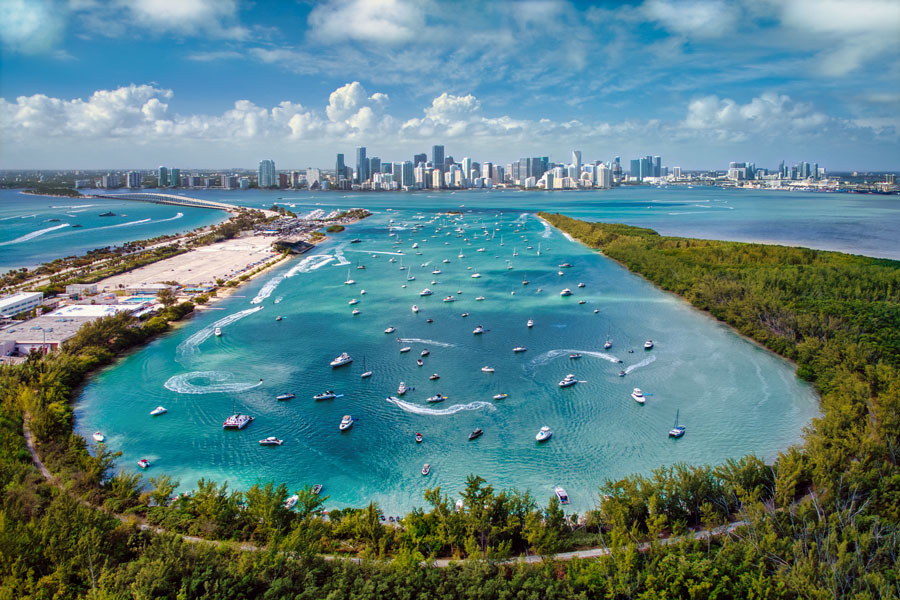
The island sits between downtown Miami and Key Biscayne, making it easily accessible while still maintaining a more relaxed and open setting.
About the Area
Virginia Key is characterized by a mix of beaches, mangroves, coastal dunes, and parkland, along with several major recreational and cultural destinations. The island has a long and complex history, including its role as the site of one of the first beaches in Miami open to African American residents during segregation, now preserved as part of Virginia Key Beach Park. Today, the island remains an important outdoor and environmental space within the greater Miami area, with a focus on recreation, conservation, and public access.
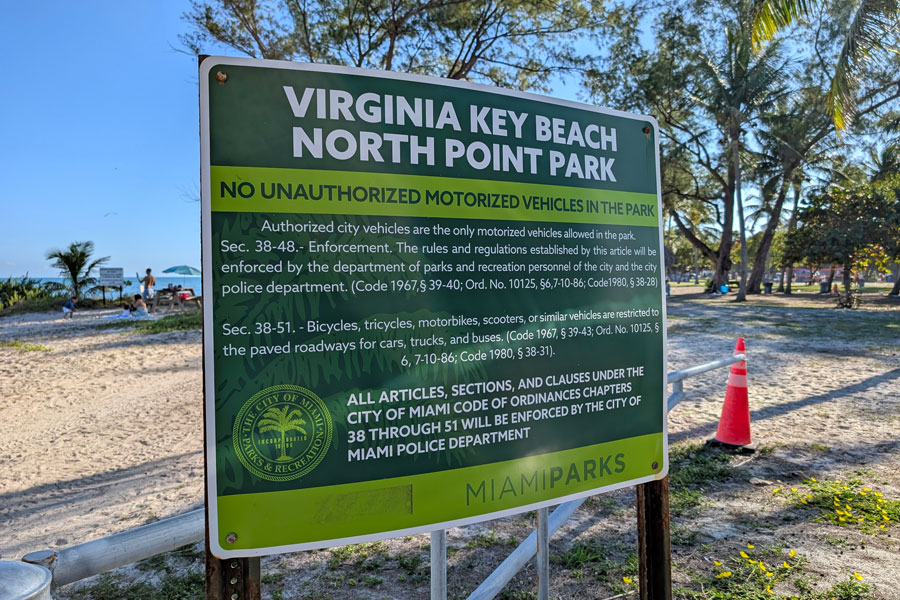
The island is home to a variety of uses, including park facilities, educational institutions, marine research areas, and event venues. Its location along Biscayne Bay provides both protected waters on the bay side and ocean-facing shoreline, contributing to its appeal for boating, paddling, and water-based recreation.
Key Places on Virginia Key
- Virginia Key Beach Park: A historic beach park with picnic areas, walking paths, and shoreline access.
- Miami Seaquarium: A long-standing marine attraction located near the entrance to the island.
- Historic Virginia Key Beach: A culturally significant site reflecting the island’s role during segregation-era Miami.
- Virginia Key Outdoor Center: A base for kayaking, paddleboarding, and exploring the island’s mangroves.
- Virginia Key Mountain Bike Park: A well-known off-road cycling destination with trails of varying difficulty.
- Rickenbacker Causeway: The scenic roadway connecting Miami to Virginia Key and Key Biscayne, popular for cycling and waterfront views.
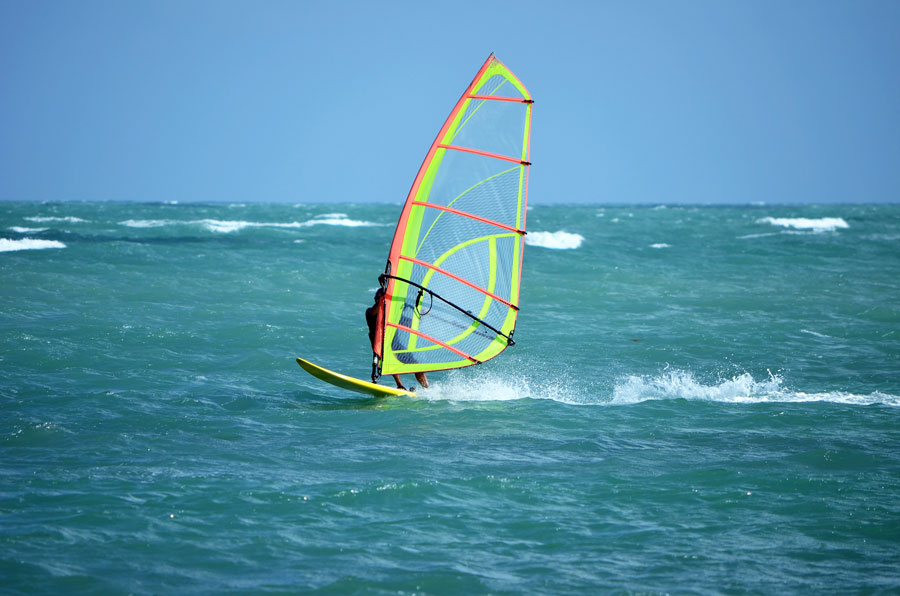
Recreation and Outdoor Activities
- Beach Access: Several areas along Virginia Key provide beach access with views of Biscayne Bay and the Atlantic Ocean.
- Kayaking and Paddleboarding: The island’s mangrove-lined shoreline and calm bay waters make it a popular location for paddling.
- Cycling: The Rickenbacker Causeway and internal roads are commonly used by cyclists.
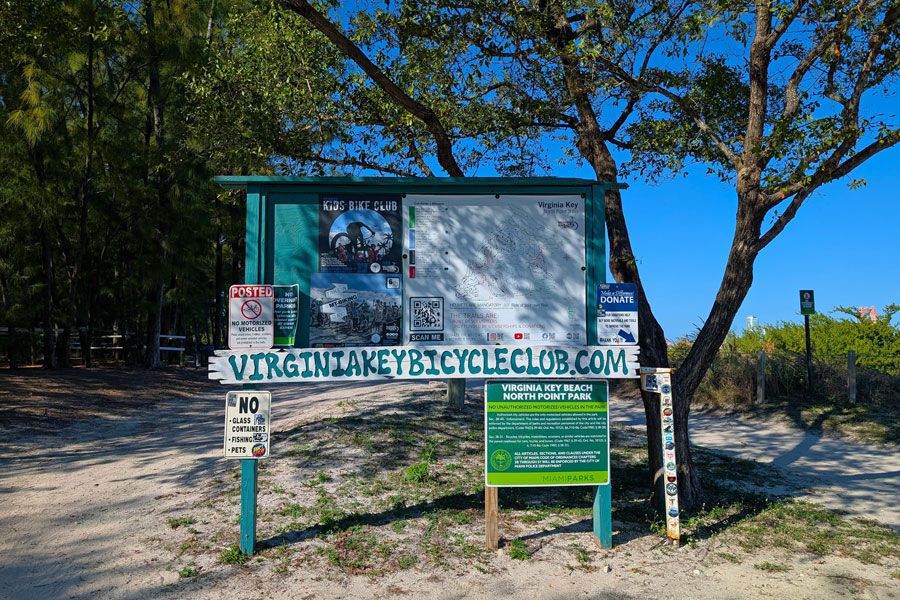
- Mountain Biking: The Virginia Key Bike Park offers trails that attract riders from across South Florida.
- Fishing: Shoreline areas and nearby waters provide opportunities for recreational fishing.
- Nature Viewing: The island supports coastal vegetation, birdlife, and marine environments typical of Biscayne Bay.
History of Virginia Key
- Early Use: The island has been used historically for agriculture, military purposes, and early development tied to Miami’s expansion.
- Segregation Era: Virginia Key Beach became one of the first officially designated beaches for Black residents in Miami during segregation.
- Preservation Efforts: Portions of the island have been preserved for historical and environmental purposes.
- Modern Development: Today, Virginia Key balances recreation, conservation, and limited development within the broader Miami area.
Vicinity of Virginia Key
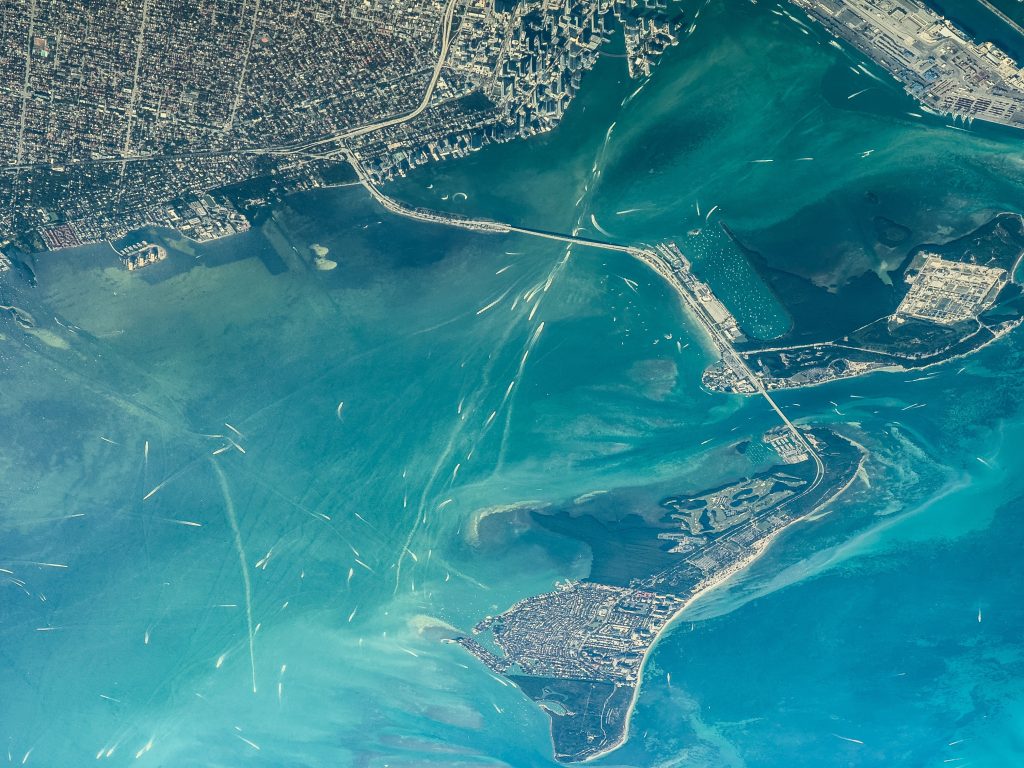
Nearby Areas
- Miami: The mainland city directly west of Virginia Key.
- Key Biscayne: A neighboring island to the south with beaches and parks.
- Biscayne Bay: The surrounding waterway that defines much of the area’s landscape and recreation.
- Crandon Park: A large park on Key Biscayne known for beaches and outdoor activities.
Accessibility
Virginia Key is accessed primarily via the Rickenbacker Causeway from Miami. The island is reachable by car, bicycle, and limited public transportation options. Parking areas are available near major parks and attractions, though availability can vary depending on events, weekends, and peak travel periods.
Additional Details
Virginia Key occupies a unique position within Miami’s coastal landscape, offering a blend of natural space, history, and recreation within close proximity to a major urban center. While parts of the island are developed for public use, large portions remain dedicated to conservation and outdoor activity. For visitors looking to explore a quieter side of Miami’s waterfront while still remaining close to the city, Virginia Key provides a distinct and accessible option.