Historic Pensacola Village
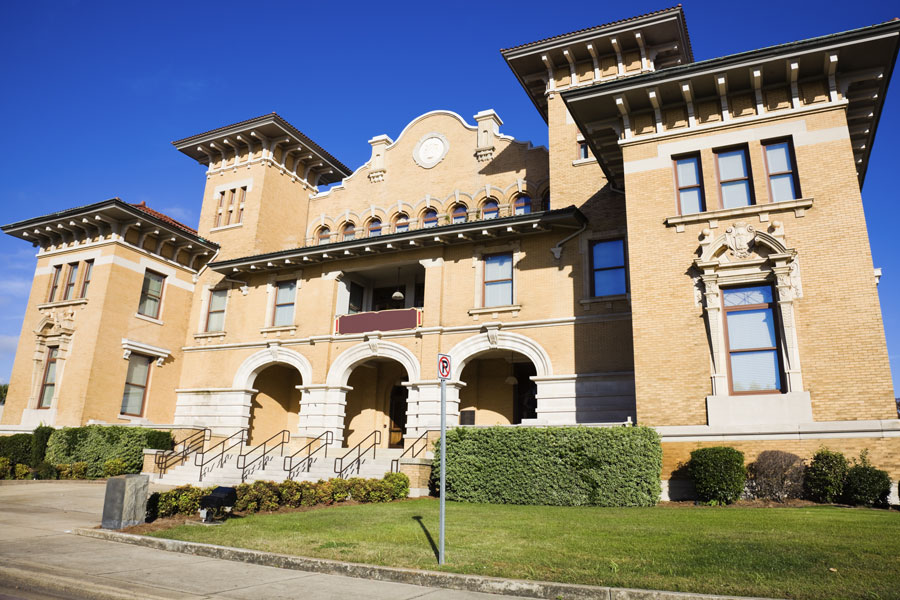
Historic Pensacola Village, located in the heart of Downtown Pensacola, is part of the larger Historic Pensacola museum campus. Operated by the University of West Florida Historic Trust, it brings together preserved buildings, museum spaces, archaeological sites, and interpretive programs that help tell more than 450 years of local history. Rather than a single museum building, this is a walkable collection of historic places where visitors can explore Pensacola’s Spanish, British, and American-era stories at their own pace, with guided experiences and special programs offered on select dates.
Highlights of Historic Pensacola Village
- Historic Homes and Landmarks
Historic Pensacola Village includes a collection of restored properties spread across several downtown blocks. Frequently highlighted sites include:- Lavalle House: A classic Creole-style home that helps interpret domestic life in early 19th-century Pensacola.
- Julee Cottage: A restored 19th-century house associated with the story of free African Americans in Pensacola.
- Old Christ Church: A landmark church building dating to 1832 and one of Pensacola’s best-known historic structures.
- Pensacola Museum of History
Located within the broader Historic Pensacola campus, this museum complements the village experience:- Exhibits trace Pensacola’s development from its earliest colonial period through later eras of growth and change.
- Artifacts, maps, and interpretive displays help connect the historic streetscape to the city’s larger story.
- Colonial Archaeological Trail
Explore places tied to Pensacola’s deep colonial roots:- Interpretive stops help explain the city’s early settlement history, including the 1559 expedition led by Tristán de Luna y Arellano.
- Signage and exhibits add context to Pensacola’s role as one of the oldest European settlement areas in what is now the United States.
Interactive Experiences
- Guided Tours and Interpretation
Guided experiences can add useful context to the site:- Learn the stories behind the buildings, collections, and people who shaped Pensacola.
- Tour formats, availability, and included buildings may vary by date, staffing, and preservation needs.
- Living History Programs
Special demonstrations and costumed interpretation may be offered during select events or seasonal programs:- Topics can include traditional crafts, domestic life, cooking, trades, and daily routines from earlier eras.
- Hands-on elements and pop-up activities may be available during featured weekends and special events.
- Family-Friendly Learning
The village works well for visitors exploring with children:- Historic buildings, open-air walking routes, and museum exhibits create a flexible self-paced visit.
- Family activities, scavenger hunts, and educational programs may be offered during select dates.
Events and Festivals
- Seasonal Programs
Historic Pensacola regularly hosts lectures, themed programs, heritage events, and living history presentations throughout the year. - Colonial Cook-Off and Other Signature Events
Special event names and schedules can change over time, but food-focused demonstrations, holiday programming, and history-themed gatherings remain part of the site’s appeal. - Holiday Celebrations
Seasonal events in and around the historic district can add extra atmosphere, with decorations, music, and community activities depending on the calendar.
Recreational and Cultural Activities
- Walking and Photography
The village’s historic streetscape, gardens, and architecture make it a rewarding place for a relaxed stroll and casual photography. - Explore the Museum District
A visit here pairs well with nearby museums, plazas, shops, restaurants, and public spaces in downtown Pensacola.
Vicinity of the Historic Village
Nearby Attractions
- Pensacola Museum of History
A key part of the Historic Pensacola campus, this museum helps visitors place the village’s homes and landmarks within the wider story of the city. - Seville Square
A historic downtown park that is great for a break between museum stops and often hosts community events and festivals. - Fort Barrancas
Located within the Gulf Islands National Seashore, this historic fort is a short drive away and offers another strong look at Pensacola’s military past. - National Naval Aviation Museum
One of the area’s best-known museums, featuring historic aircraft, exhibits, and immersive aviation displays.
Accessibility
Historic Pensacola aims to welcome a wide range of visitors, but accessibility can vary from building to building because of the site’s historic nature.
- Accessible Route Information: Many outdoor areas and some museum spaces are easier to access than certain preserved homes or interiors.
- Ask About Current Accommodations: Staff can help with accessible entrances, route planning, and current program details.
- Service Animals: Permitted in accordance with ADA guidelines.
Tips for Visiting Historic Pensacola
- Plan Your Time: Allow at least 2 to 3 hours to explore the village area, and longer if you plan to include multiple museums.
- Check the Official Calendar: Hours, tours, tickets, and event schedules can vary by date.
- Wear Comfortable Shoes: You will likely be walking across several blocks on sidewalks, brick, or other historic surfaces.
- Be Ready for the Weather: Pensacola can be warm and humid, so water, sunscreen, and light rain preparation are helpful.
- Bring a Camera: The preserved buildings, church, and streetscapes offer plenty of photo-worthy details.
Why Visit Historic Pensacola?
Historic Pensacola Village offers one of the best ways to experience the story of Pensacola beyond the beach. Its mix of historic homes, museums, archaeology, and public programming gives visitors a richer sense of how the city developed over centuries. Whether you stop in for a short walk through the district or build a longer day around the surrounding museums, it is a rewarding destination for history lovers, families, and anyone wanting a deeper look at Northwest Florida.
For current hours, tickets, tour availability, event schedules, and accessibility information, visit: https://historicpensacola.org/