Big Pine Key, Florida
Big Pine Key, located in the lower section of the Florida Keys, is a peaceful island community known for natural beauty, a laid-back pace, and easy access to some of the region’s most distinctive ecosystems. Positioned about 30 miles northeast of Key West, Big Pine Key offers a quieter alternative to the busier parts of the Keys while still placing visitors within reach of beaches, boating, wildlife viewing, and day trips throughout the Lower Keys.
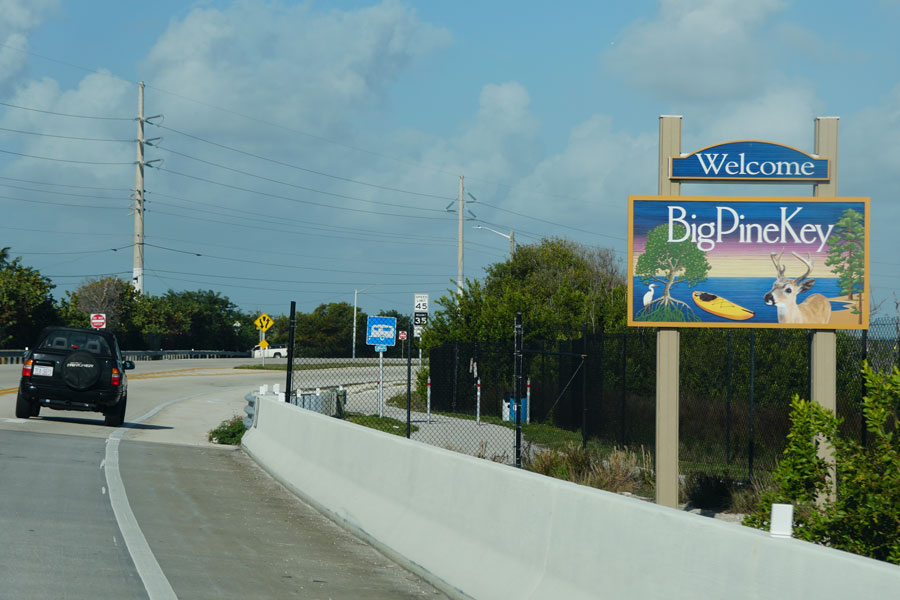
As one of the larger islands in the Lower Keys, Big Pine Key has a year-round population of around 5,000 residents who help preserve the area’s relaxed atmosphere and natural surroundings.
About the Community
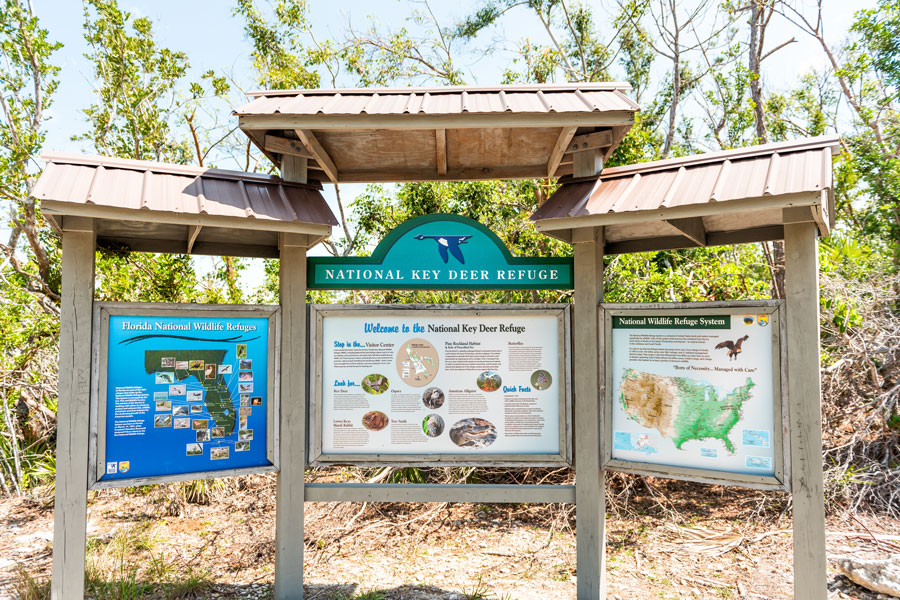
The heart of Big Pine Key is its remarkable natural environment. The island is closely associated with the National Key Deer Refuge, a protected habitat created to conserve the endangered Key deer, a smaller subspecies of the white-tailed deer found only in the Florida Keys. These gentle animals are sometimes seen near roadsides, neighborhoods, and refuge areas, giving Big Pine Key a character unlike anywhere else in Florida. The refuge also protects pine rocklands, hardwood hammocks, freshwater wetlands, and mangrove habitat that support a wide variety of birds, fish, reptiles, and native plants.
Because Key deer move through developed areas as well as natural habitat, visitors should drive carefully, especially around dawn and dusk, and should never feed or approach wildlife.
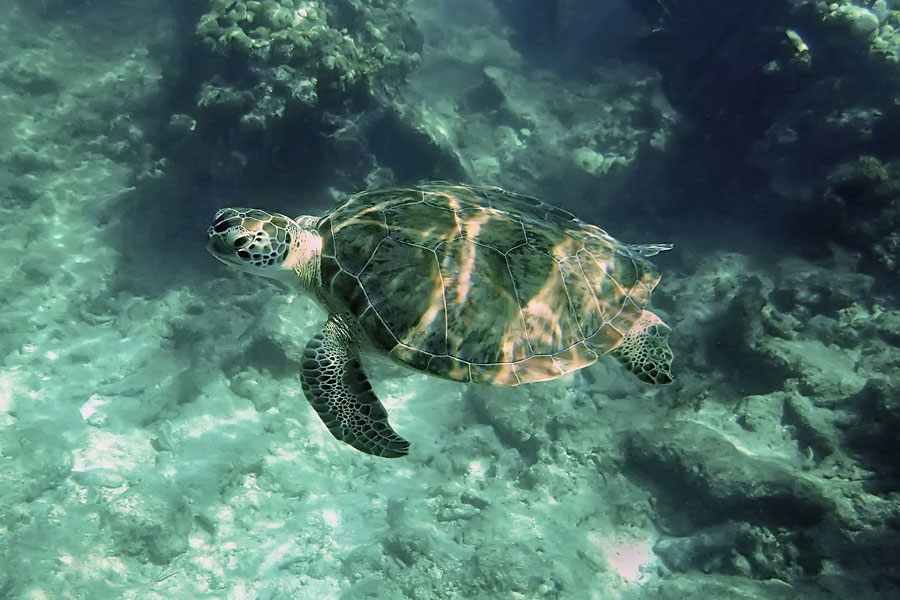
Outdoor recreation is a major draw on Big Pine Key thanks to the island’s access to both backcountry waters and the open Atlantic. Boating, fishing, kayaking, paddleboarding, snorkeling, and diving are all popular in the surrounding area. Nearby Looe Key Reef, part of the Florida Keys National Marine Sanctuary, is especially well known for clear water, coral formations, and abundant marine life. Guided snorkel and dive trips are commonly available from nearby marinas, with conditions and availability varying by season, weather, and water conditions.
Big Pine Key’s charm lies in its quiet, low-key character. Rather than a busy nightlife scene, the island is better known for scenic drives, local seafood spots, neighborhood businesses, and easy access to natural areas. Visitors can spend the day exploring refuge roads, launching a kayak, relaxing near the water, or heading to nearby beaches and parks. The lack of large-scale development helps the island retain a sense of calm that many travelers specifically seek out in the Lower Keys.
Important Links (Suggest / Report)

Vicinity of Big Pine Key
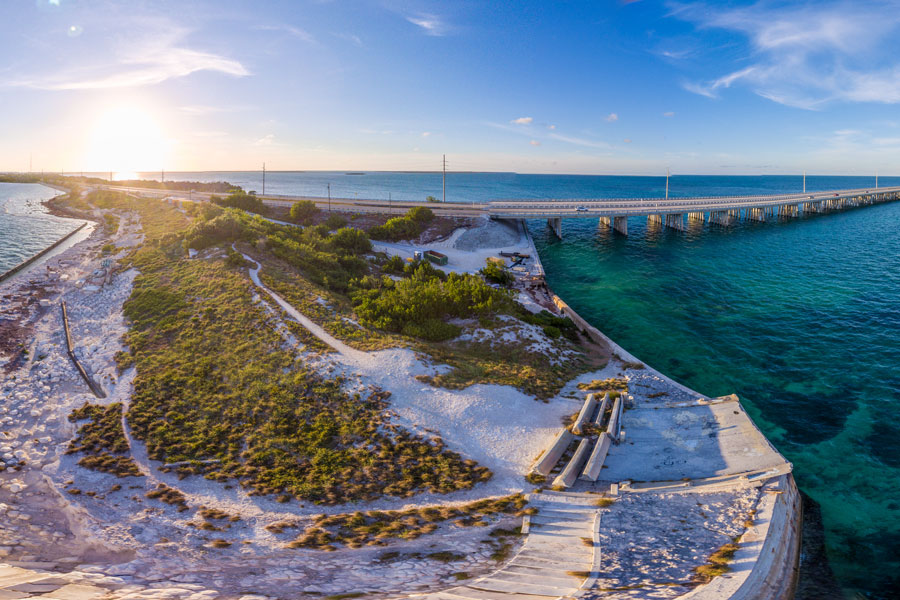
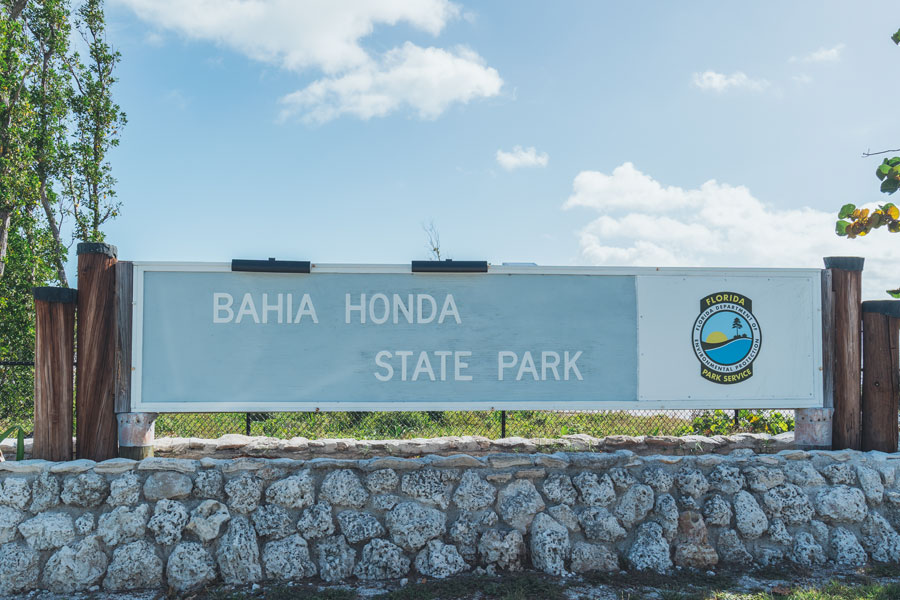
Big Pine Key also works well as a base for exploring the Lower Keys. Nearby No Name Key and Little Torch Key offer additional scenic drives, paddling routes, and quiet coastal views, while Bahia Honda State Park is a short trip away for beach time, picnicking, and sightseeing. A drive south leads to Key West for museums, restaurants, galleries, and nightlife, giving travelers the option to enjoy both seclusion and easy access to one of Florida’s most visited island destinations.
Staying on Big Pine Key means being close to the outdoors at almost every turn. Visitors come for boating, reef trips, backcountry paddling, fishing charters, birdwatching, and the chance to experience a less commercial side of the Florida Keys. Local businesses and lodging options can change over time, so it is wise to confirm hours, reservations, launch conditions, and tour availability in advance.
Big Pine Key’s timeless appeal comes from its unspoiled landscapes, unique wildlife, and laid-back Lower Keys setting. Whether you are hoping to spot Key deer, snorkel or dive near Looe Key Reef, or simply enjoy a quieter island base away from the crowds, Big Pine Key remains a memorable place to slow down and connect with the natural side of the Florida Keys.