Cedar Key, Florida
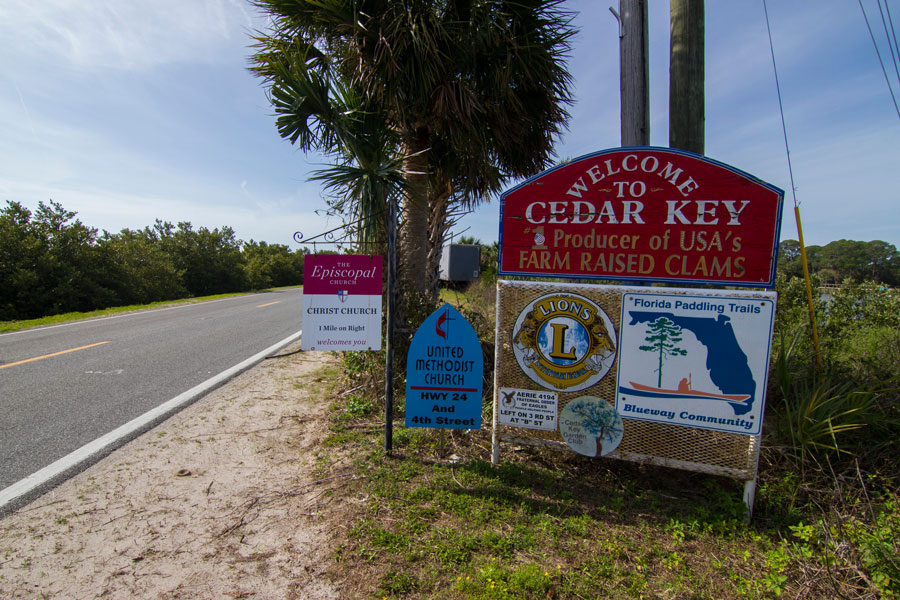
Cedar Key is a quiet island community on Florida’s Gulf Coast in Levy County, accessible by bridges and causeways. About four miles out into the Gulf of Mexico, this small town is known for its Old Florida character, working waterfront, natural beauty, and relaxed pace.
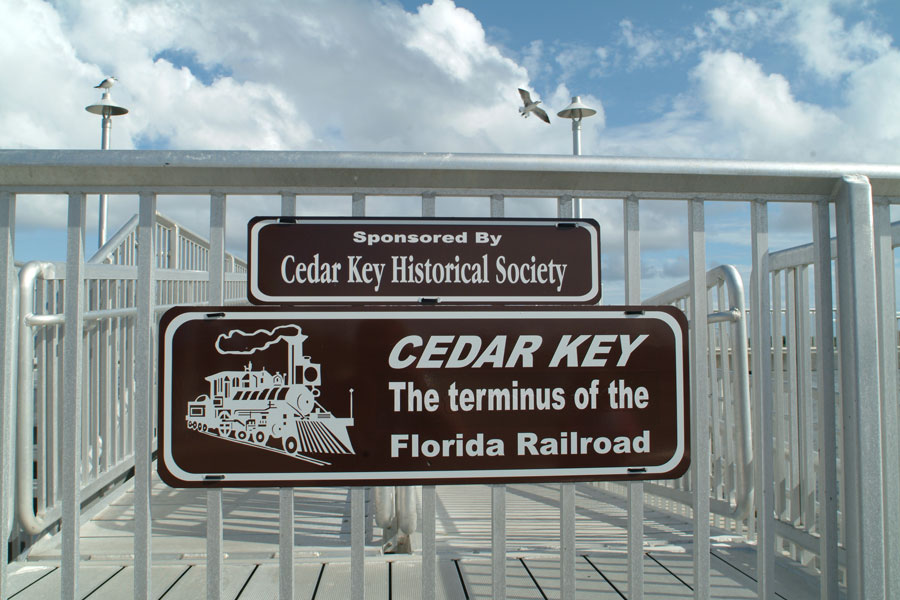
Rich in history and natural beauty, Cedar Key developed as an important port during the Seminole War era. One of Florida’s earliest cross-state railroad connections eventually linked Cedar Key with the east coast, helping ship seafood, timber, and cedar used in pencil manufacture. Commercial fishing, Gulf shipping, and coastal trade all played major roles in the town’s growth.
About the Community
Today, many artists, writers, boaters, birders, and seafood lovers are drawn to Cedar Key’s unspoiled setting. Visitors stroll the historic streets to browse local shops and galleries, explore the back bayous, and enjoy fresh seafood from local waters. Popular annual events often include a spring arts festival and the Cedar Key Seafood Festival in the fall, though dates and schedules may vary. Cedar Key is also well known for its clam aquaculture industry. The city park, public library, public fishing piers, and marinas are popular with residents and visitors alike. Rentals and guided outings may be available for kayaks, boats, bicycles, and golf carts.
Important Links (Suggest / Report)

Vicinity of Cedar Key
Additional Details
The Cedar Keys National Wildlife Refuge protects a chain of offshore islands that provide important habitat for seabirds, shorebirds, and migratory species, including white pelicans, roseate spoonbills, and bald eagles. The historic Seahorse Key Lighthouse, dating to the 1850s, is one of the area’s best-known landmarks. Boat tours and charters may be available from Cedar Key for sightseeing, fishing, and access to permitted islands, but landing rules and seasonal closures can change, especially during bird-nesting season. Dolphins and a wide variety of birdlife are often spotted on these trips.
Cedar Key Scrub State Reserve is a nature-rich preserve with a variety of habitats, from salt marshes and shell middens to swamps, hardwood forests, pine flatwoods, and scrub. Vegetation includes several oak species along with rusty lyonia and saw palmetto. Trails offer good opportunities for hiking, off-road bicycling, birding, and photography, while nearby shallow waters and creeks can be appealing for canoeing and kayaking when conditions allow.
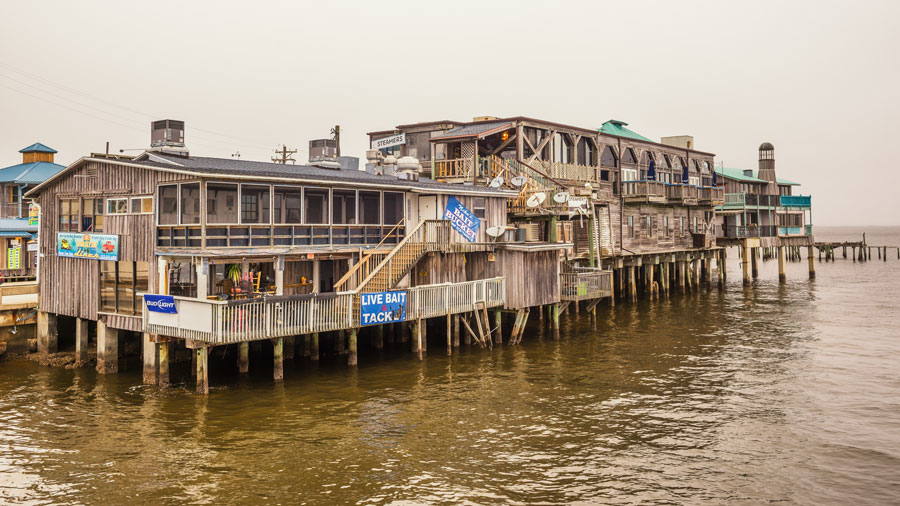
Cedar Key Museum State Park preserves artifacts and exhibits related to the area’s past, including Native history, antique glassware, sea shells, pencil-manufacturing days, and photographs of old Cedar Key. Back in town, the waterfront boardwalk area offers galleries, shell and gift shops, jewelry, clothing, antiques, and casual seafood dining. Visitors can also enjoy fishing from the pier, while lodging ranges from bed-and-breakfasts and motels to island-style inns, cottages, and vacation rentals. Because Cedar Key is a small coastal community, business hours, tours, and accommodations can vary by season and after major weather events.