Miami Springs, Florida
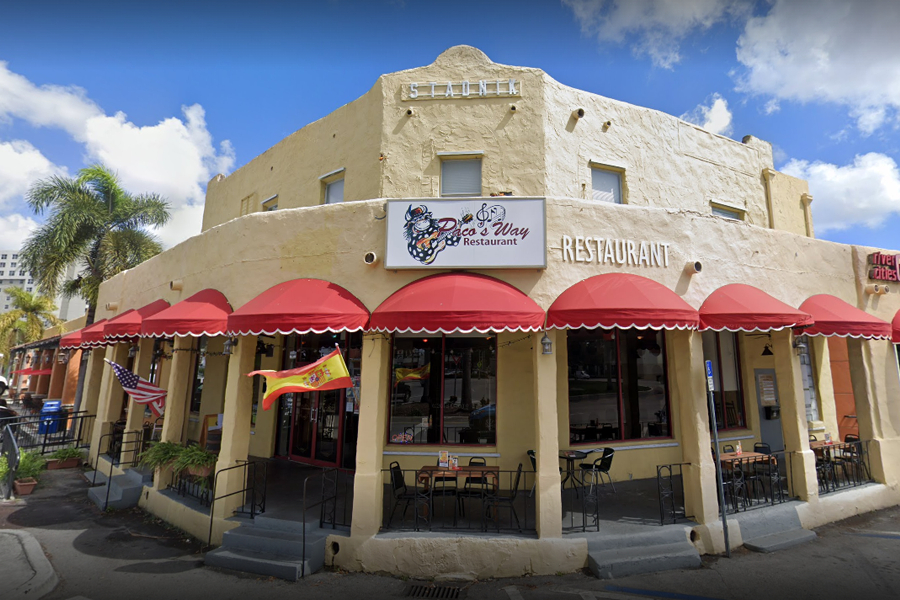
Miami Springs is known for having one of Florida’s most notable collections of Pueblo Revival architecture. Public buildings, private residences, and long-standing community landmarks give the city a distinctive historic character, while its location beside Miami International Airport makes it one of the most conveniently placed communities in the greater Miami area.
About the Community
The Clune-Stadnik Building, dating back to the city’s early years, is listed on the National Register of Historic Places and remains one of Miami Springs’ signature historic sites. Another notable landmark is the First Presbyterian Church on Westward Drive, built in 1936 in a Mission-style design with a modest bell tower; it was also the first church built in town. Together, these buildings help define the city’s preserved early-20th-century streetscape. Access, exhibits, and tour availability for individual historic properties may vary.
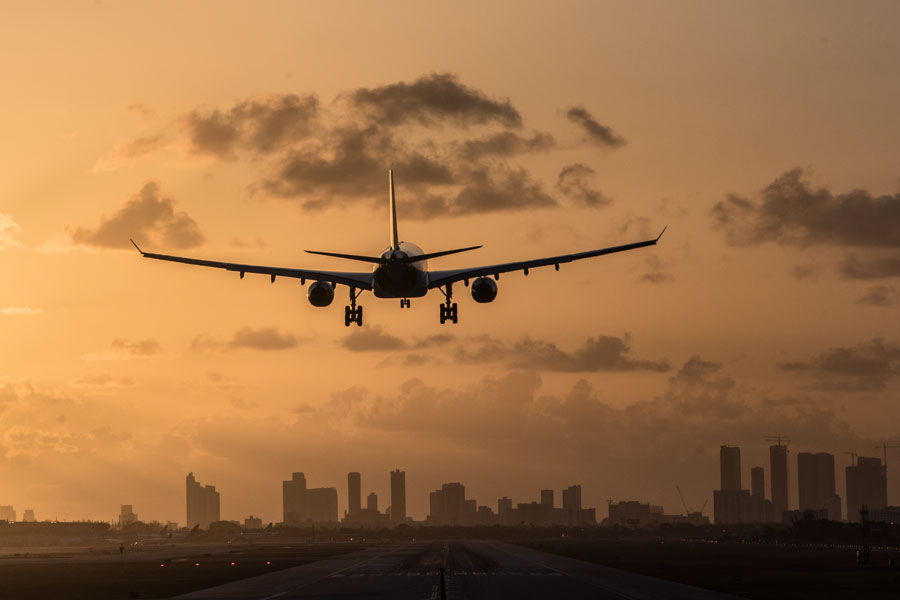
Miami Springs also stands out for its historic bridges and canal-side setting. The horizontal swing and vertical lift bridges complement the area’s Pueblo Revival buildings and add to the city’s distinctive visual identity. The Miami Canal today serves primarily water-management purposes rather than regular navigation, but structures such as the Pony Swing Bridge and the lift bridge near Hook Square remain memorable pieces of local engineering history. Aviation pioneer Glenn H. Curtiss was instrumental in developing Miami Springs in the 1920s, helping shape a planned community that still feels architecturally unique within modern Miami-Dade County.
Important Links (Suggest / Report)

Vicinity of Miami Springs
Additional Details
Miami Springs covers about three square miles and has a population of roughly 14,000 residents. Its tree-lined streets, preserved architecture, and neighborhood feel set it apart from many faster-paced parts of greater Miami. The community also reflects the wider cultural diversity of Miami-Dade County, with strong Hispanic and multicultural influences visible in local businesses, dining, and civic life.
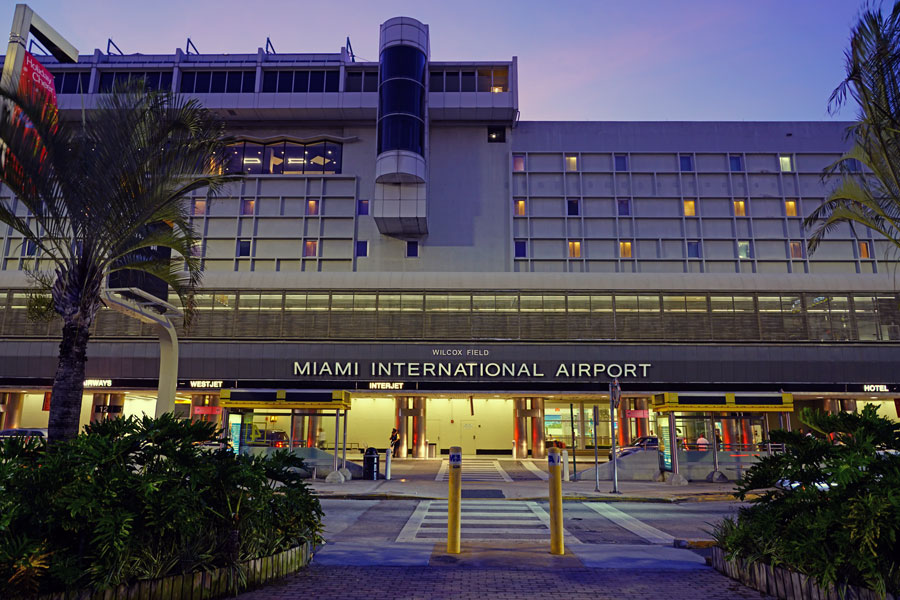
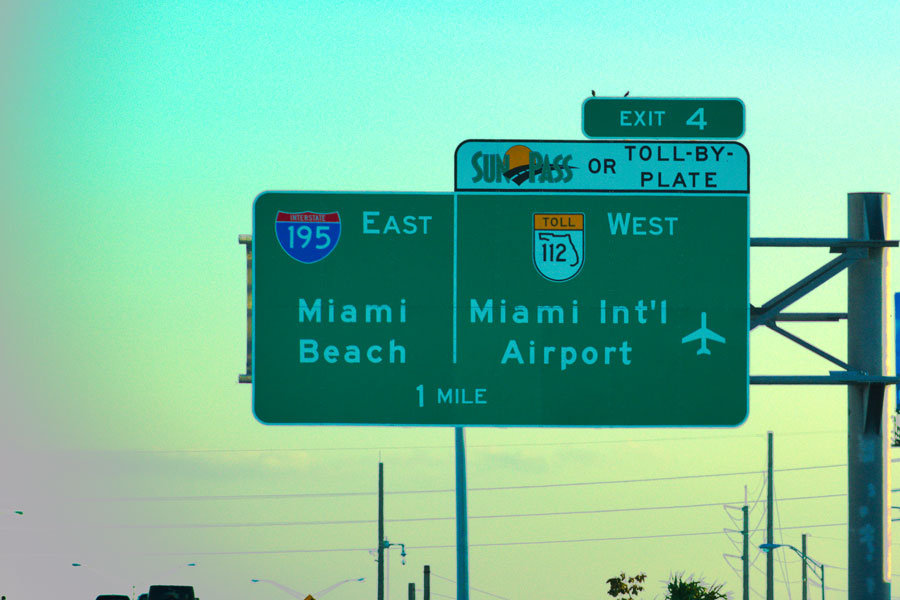
Because Miami Springs borders Miami International Airport, travelers can choose from a range of airport-area hotels in and around the city. Amenities vary by property, but many offer pools, on-site dining, parking, and quick access to terminals and major roads. For visitors who want a quieter home base without leaving the airport corridor, Miami Springs is also a practical starting point for exploring downtown Miami and nearby Miami-Dade destinations. As always, check current hotel offerings, restaurant hours, and attraction availability before your visit.