Opa-Locka, Florida
Opa-Locka is one of South Florida’s most distinctive historic communities. Developed by aviation pioneer Glenn Curtiss in 1926 around an Arabian Nights-inspired theme, the city still contains one of the largest collections of Moorish-style architecture in the Western Hemisphere.

About The Community
During Florida’s land-boom years, Curtiss built more than 100 themed buildings with domes, elaborate minarets, bright colors, and exterior staircases. About 20 structures are listed on the National Register of Historic Places. Even the street names reflect the city’s fantasy motif, with names such as Sabur Lane, Sultan Avenue, Ali Baba Avenue, Ahmad Street, and Sesame Street.
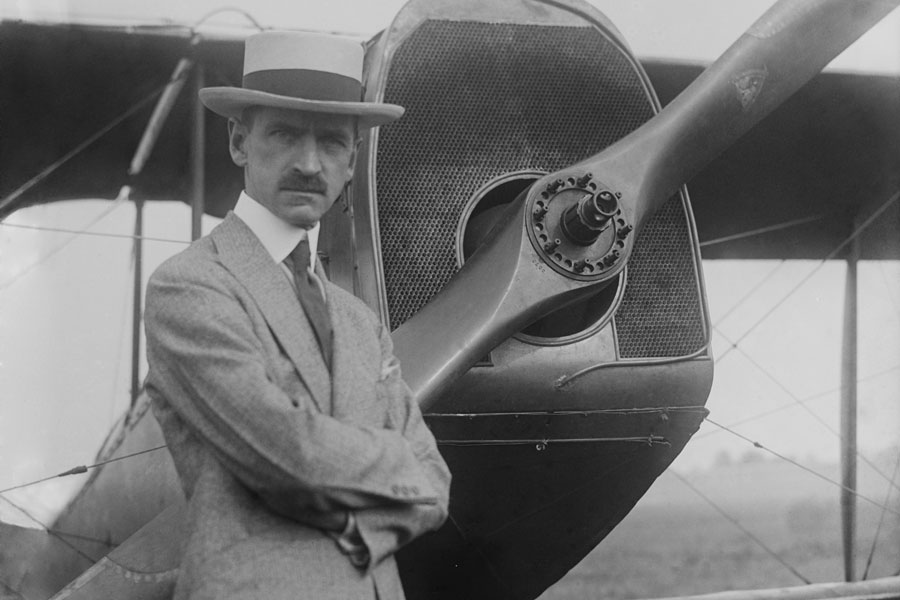
The name Opa-Locka is generally said to be adapted from Opa-tisha-woka-locka, a Native American place name interpreted as “a dry place in the swamp with trees.” Today the city is a compact mix of residential, commercial, and industrial areas, with Miami-Opa Locka Executive Airport representing the single largest land use. Landmarks such as City Hall and the former Opa-Locka Hotel, also known as the Logan Building, help define the historic core.
Important Links

Opa-Locka covers about 4.2 square miles in northwestern Miami-Dade County and has a population of roughly 15,000 residents. The community reflects the broader cultural mix of north Miami-Dade and has long celebrated its themed identity through heritage and neighborhood events, though schedules and venues can change over time.
Vicinity of Opa-Locka
Additional Details
Community parks include Sherbondy Park, Segal Park, and Ingram Park. English is widely spoken, and Spanish and Creole are also commonly heard. Miami-Opa Locka Executive Airport remains central to the city’s identity and is closely tied to South Florida aviation history. The Graf Zeppelin airship also visited Opa-Locka Airport during its round-the-world era.

Like many older urban communities, Opa-Locka has faced economic and public-safety challenges over the years. For visitors, however, the city is best known for its unusual architecture, long aviation connection, and easy access to the broader north Miami-Dade area. Travelers interested in the historic district should check official sources for current events, access, and city programs.

Opa-Locka’s distinctive look has also made it attractive for photography, television, and film shoots over the years. Preservation efforts continue to draw attention to the city’s historic identity, and the area remains an interesting side trip for travelers exploring greater Miami beyond the beaches. If you plan a special visit for an event or public building, confirm details in advance because hours and availability may vary.