St. Augustine, Florida
On August 28, 1565, the Feast Day of Saint Augustine, Spanish admiral Pedro Menéndez de Avilés first sighted the coast of Florida. He formally founded St. Augustine on September 8, 1565. Today, the city is widely recognized as the oldest continuously inhabited European-established settlement in what is now the United States, and its centuries of history still come alive in the streets, plazas, forts, and landmarks of the historic district.
About The Community
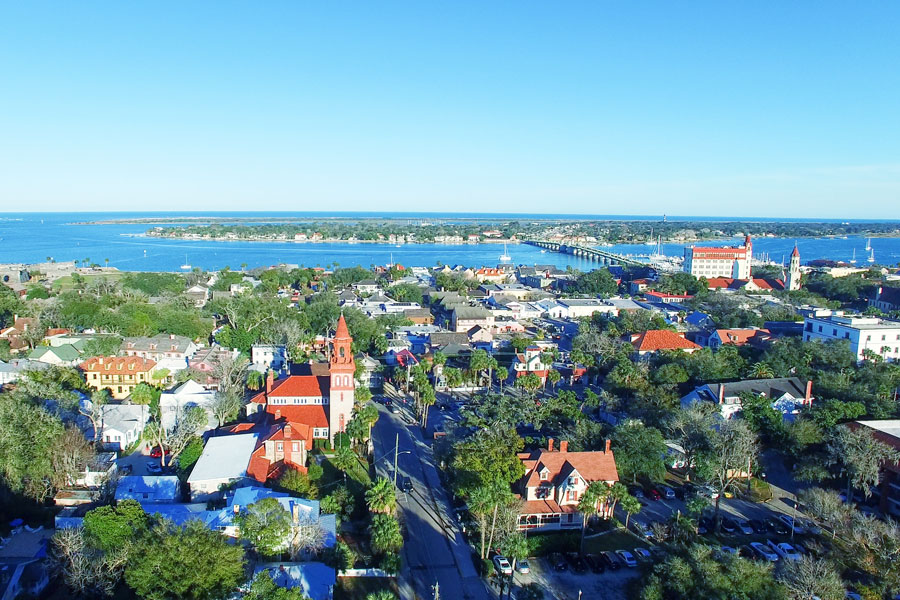
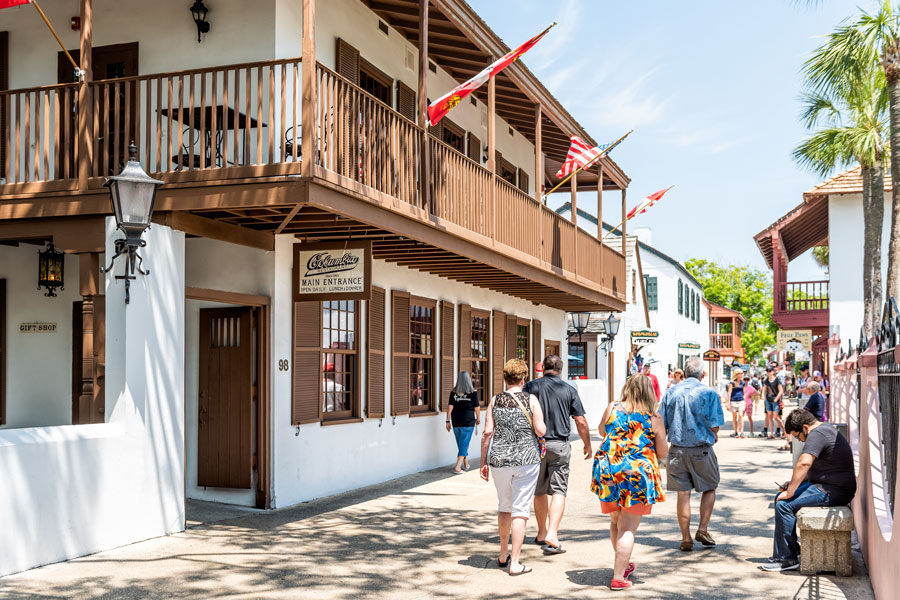
Known as the “Ancient City,” St. Augustine sits in St. Johns County on Florida’s northeast Atlantic coast. Its blend of history, waterfront scenery, beaches, and walkable streets makes it one of the state’s most distinctive getaways. Visitors can explore the historic district, browse St. George Street, tour museums and forts, and then unwind at nearby cafes, restaurants, inns, and waterfront bars.
Important Links (Suggest / Report)

Among the city’s signature landmarks is the Castillo de San Marcos National Monument, the oldest masonry fort in the continental United States. Built of coquina, a shellstone made from compressed seashells and sand, it has endured centuries of storms and conflict. Together with Fort Mose Historic State Park to the north and Fort Matanzas National Monument to the south, it helps tell the broader story of St. Augustine’s colonial defenses and diverse cultural heritage.
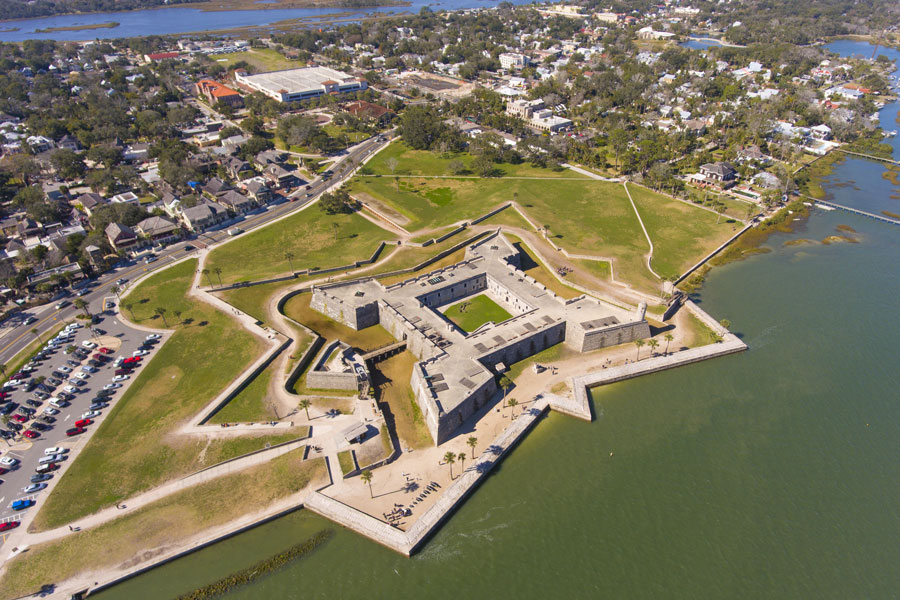
Fort Matanzas guarded the southern approach to St. Augustine and remains an important companion site to the Castillo. In the city center, Castillo de San Marcos faces Matanzas Bay, where the bayfront, sailing vessels, and the elegant Bridge of Lions create one of the city’s classic views. Across the bridge, the St. Augustine Municipal Marina provides convenient access for boaters arriving via the Intracoastal Waterway and surrounding waterways.
Vicinity of St. Augustine
Additional Details
The Colonial Quarter in the historic district interprets daily life in 18th-century St. Augustine through exhibits, demonstrations, and hands-on history programs; offerings may vary by date. The Lightner Museum, housed in Henry Flagler’s former Hotel Alcazar, displays eclectic collections ranging from decorative arts to Gilded Age curiosities. Completed in 1888 in Spanish Renaissance Revival style, the building is itself one of the city’s most impressive landmarks.
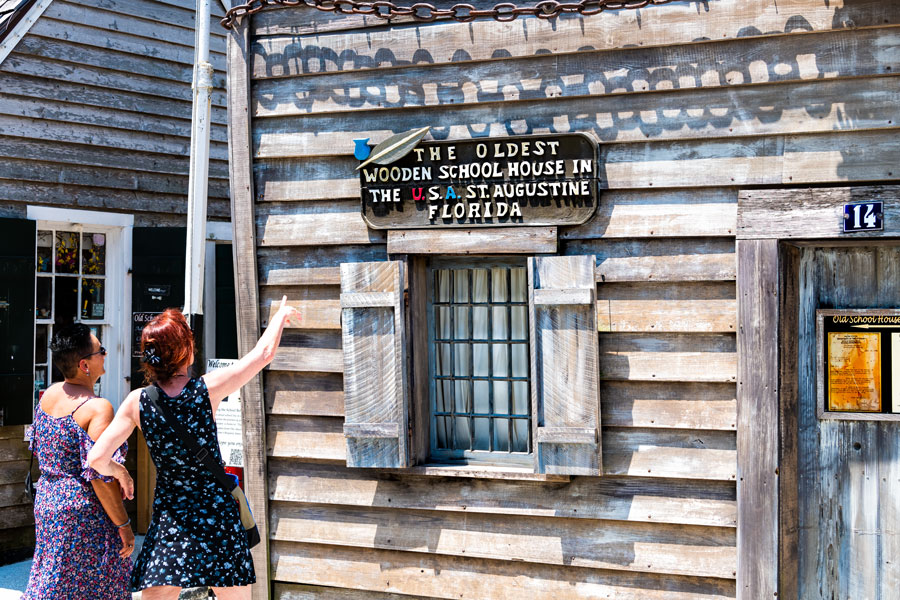
Today, St. Augustine remains a small but vibrant coastal city shaped by Spanish, British, Minorcan, African American, and Native American influences. Ponte Vedra Beach, home to the PGA TOUR headquarters and TPC Sawgrass, is a short drive north of downtown. Beach lovers and outdoor enthusiasts can also explore more than 40 miles of nearby coastline, with opportunities for surfing, fishing, boating, paddling, and wildlife viewing from St. Augustine Beach to Vilano Beach and Anastasia State Park.
From sunrise over the Atlantic Ocean to sunset over the salt marshes along the Intracoastal Waterway, St. Augustine offers memorable views in every season. Many top attractions are clustered around downtown and the bayfront, but hours, tours, parking, and admission policies vary by site, so it is smart to check ahead before you go.