The J.N. “Ding” Darling National Wildlife Refuge
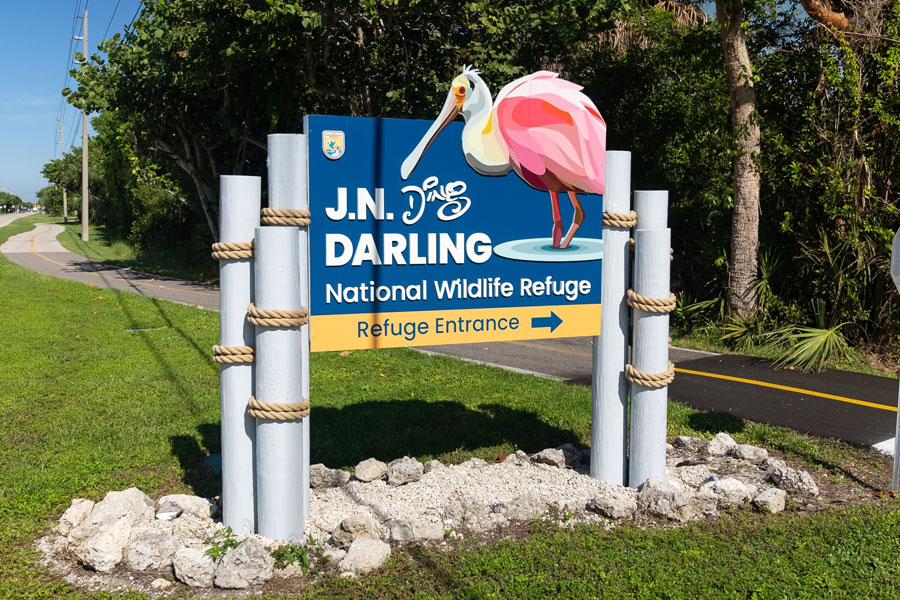
Located on Sanibel Island in Lee County, Florida, the J.N. “Ding” Darling National Wildlife Refuge protects more than 6,000 acres of mangroves, estuaries, tidal flats, and uplands along Florida’s Gulf Coast. Established in 1945 and named for conservationist and Pulitzer Prize-winning political cartoonist Jay Norwood “Ding” Darling, the refuge is part of the National Wildlife Refuge System and serves as an important habitat for migratory birds, fish, reptiles, and other native wildlife. Its scenic waterways and rich coastal ecosystems make it one of Florida’s premier places for wildlife viewing, photography, paddling, and nature-based learning.
Top Things to Do at J.N. “Ding” Darling
- Drive or Bike Wildlife Drive
Wildlife Drive is the refuge’s signature experience and one of the easiest ways to explore its habitats:- Follow the scenic one-way route through mangroves, impoundments, and mudflats that attract birds and other wildlife.
- Stop at overlooks and pull-offs to watch for herons, egrets, roseate spoonbills, alligators, and more.
- Hours and access can vary by date, season, and recovery or maintenance needs. Wildlife Drive is commonly closed on Fridays, so it is smart to check official updates before you go.
- Birdwatching
The refuge is part of the Great Florida Birding Trail and is internationally known for its bird life:- Hundreds of bird species have been recorded here, including herons, ibis, pelicans, ospreys, shorebirds, and seasonal migrants.
- Cooler months often bring especially active birding, but wildlife can be rewarding year-round depending on tides and conditions.
- Bring binoculars or a zoom lens and take your time at overlooks, boardwalks, and quiet shoreline areas.
- Hike the Nature Trails
Several trails and boardwalks let visitors experience different parts of the refuge at a slower pace:- Indigo Trail: A popular route for walking, wildlife viewing, and access to interpretive areas.
- Wulfert Keys Trail: A short trail with scenic views toward Pine Island Sound.
- Shell Mound Trail: A brief boardwalk-style trail with interpretation related to the area’s cultural history and natural environment.
- Trail conditions and availability may change after storms, high water, or habitat work, so check current status before your visit.
- Kayaking and Canoeing
Paddling through the refuge’s estuarine waters offers a quieter, close-up way to explore:- Tarpon Bay and surrounding mangrove channels are popular for kayaking, canoeing, and guided eco-tours.
- Watch for manatees, dolphins, rays, fish, and wading birds as you move through calm coastal waters.
- Rentals and guided outings are typically offered through the refuge concessionaire when operating; availability may vary.
- Visit the Visitor & Education Center
When open, the Visitor & Education Center is a helpful first stop for orientation and exhibits:- Learn about Jay Norwood “Ding” Darling, the refuge’s wildlife, and the importance of coastal conservation.
- Browse exhibits, maps, and interpretive displays that can help you plan where to go based on tides, weather, and time of day.
- Check current hours and reopening status in advance, as facility access and programming can change.
- Wildlife Photography
The refuge’s landscapes and wildlife make it a favorite with photographers:- Early morning and late afternoon light can be especially rewarding for birds, reflections, and mangrove scenery.
- Observation decks, pull-offs, and quiet trail sections provide excellent vantage points.
- Use a respectful distance and avoid disturbing wildlife while framing photos.
Additional Activities
- Fishing
Anglers may find opportunities in designated areas, subject to current refuge rules and Florida fishing regulations. Seasons, access points, and permitted methods may change. - Guided Tram or Nature Tours
Naturalist-led tours are sometimes offered seasonally or through partner organizations and concession services, providing a relaxed way to learn more about the refuge’s wildlife and habitats. - Educational Programs
Depending on the season and operating schedule, the refuge may offer talks, birding walks, family activities, and other programs led by staff, volunteers, or partners.
Amenities & Facilities
- Visitor & Education Center:
May include exhibits, trip-planning information, restrooms, and a gift shop area when open. - Wildlife Drive:
A scenic auto route that can also be enjoyed by cyclists and, in some areas, pedestrians. - Observation Decks and Overlooks:
Wildlife viewing points are located along Wildlife Drive and near select trails. - Trails and Boardwalks:
Short walks and interpretive paths provide access to different habitats and viewpoints. - Paddling Services:
Kayak, canoe, and other eco-tour services may be available through the refuge concessionaire, often associated with Tarpon Bay. - Parking:
Parking is typically available at major visitor areas and trail access points, though capacity can be limited during busy periods. - Restrooms:
Restroom availability varies by facility status and operating hours.
Accessibility
The J.N. “Ding” Darling National Wildlife Refuge offers several ways for visitors of different mobility levels to enjoy the area, but accessibility details can change with weather, repairs, and facility status.
- Wildlife Drive: A good option for visitors who prefer to experience the refuge from a vehicle.
- Boardwalks and Overlooks: Some viewing areas and short interpretive paths may be accessible, depending on current conditions.
- Visitor Facilities: Main visitor areas generally aim to provide accessible parking, restrooms, and entry features when open.
- Plan Ahead: Check the official refuge page or ask onsite staff for the latest accessibility information before your visit.
Tips for Visiting the Wildlife Refuge
- Check Tides and Conditions: Tides, weather, and season can have a big effect on bird activity and wildlife sightings.
- Go Early or Late: Morning and late afternoon are often the most comfortable and productive times for wildlife viewing and photography.
- Confirm Hours and Closures: Wildlife Drive, trails, visitor facilities, and tours may have variable schedules or temporary closures.
- Dress for the Outdoors: Wear breathable clothing, supportive shoes, sunscreen, and a hat.
- Bring Bug Spray and Water: Mosquitoes and no-see-ums can be active, especially in warmer months and around sunset.
- Respect Wildlife: Stay on marked routes, keep a safe distance, and never feed animals.
- Reserve Rentals or Tours Early: During busy travel periods, popular paddling and guided experiences may fill up in advance.
Vicinity of the Wildlife Refuge
Nearby Attractions
- Sanibel Island Beaches: Renowned for shelling, swimming, and Gulf Coast sunsets.
- Bailey-Matthews National Shell Museum & Aquarium: A distinctive stop focused on shells, mollusks, and marine life.
- Captiva Island: Known for beaches, dining, and a laid-back island atmosphere.
- Lovers Key State Park: A scenic coastal park popular for paddling, wildlife viewing, and beach time.
Why Visit the J.N. “Ding” Darling National Wildlife Refuge?
The J.N. “Ding” Darling National Wildlife Refuge offers one of the best introductions to wild coastal Southwest Florida. Whether you come for birdwatching, scenic driving, mangrove paddling, photography, or a peaceful walk through estuarine habitats, the refuge delivers a memorable look at Florida’s natural side. It is a rewarding stop for families, nature lovers, and anyone who wants to experience Sanibel beyond the beach.
For official visitor information, hours, fees, alerts, and accessibility updates, visit: https://www.fws.gov/refuge/jn-ding-darling