The Florida Everglades
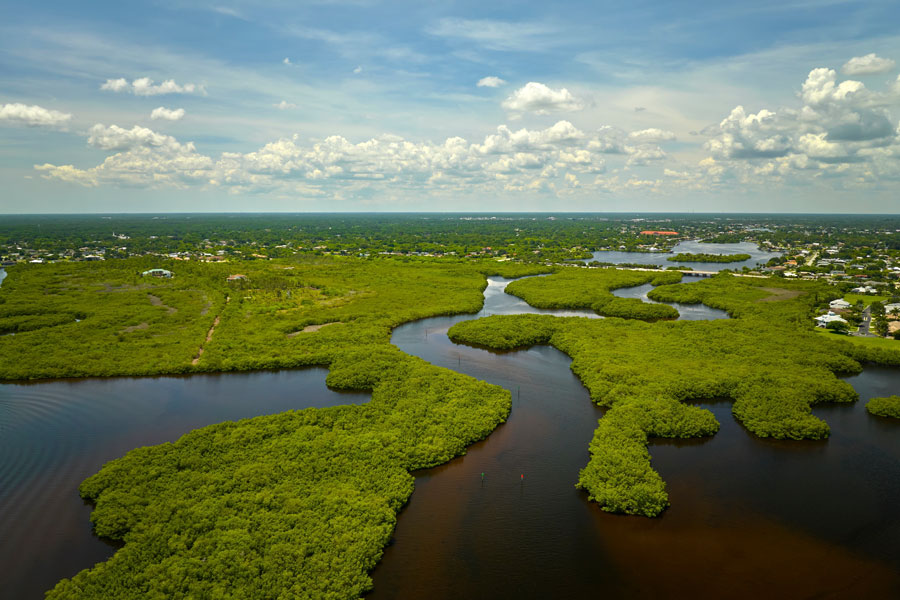
The Florida Everglades is one of the most distinctive ecosystems in the United States, with a landscape of wetlands, marshes, forests, and estuaries spread across South Florida. Often referred to as the “River of Grass,” the Everglades is recognized around the world for its ecological importance and protected habitats, including areas designated as a UNESCO World Heritage Site and a Wetland of International Importance. It is home to an extraordinary range of wildlife, including alligators, crocodiles, panthers, manatees, and hundreds of bird species.
Broadly speaking, the greater Everglades ecosystem connects water and habitats from the Lake Okeechobee watershed south toward Florida Bay and the Florida Keys. For visitors, the region offers a wide range of experiences, from scenic boardwalks and wildlife drives to paddling routes, fishing, guided eco-tours, and popular airboat rides. Whether you want a quick roadside wildlife stop or a deeper backcountry adventure, the Everglades remains one of Florida’s most memorable outdoor destinations.
Popular Activities and Adventures in the Everglades
1. Airboat Tours: One of the most popular ways to experience the greater Everglades region is on an airboat tour. These flat-bottomed boats with large rear propellers are designed for shallow water and grassy wetlands, making them especially popular on private lands and waterways around the Everglades.
- Thrilling Rides: Airboat rides can be fast-paced and exciting, with experienced captains navigating open marshes and narrow channels while pointing out scenery, wildlife, and notable features along the route.
- Wildlife Spotting: Airboat tours are a popular way to look for alligators, turtles, fish, and wading birds. Wildlife sightings are never guaranteed, but knowledgeable guides often know where to look and when to pause for photos.
- Eco-Tours: Many operators also offer eco-focused outings that explain the Everglades’ hydrology, conservation challenges, and role in South Florida’s water system.
Popular airboat tour providers include Everglades Holiday Park, Gator Park, and Wild Florida Airboats & Gator Park. Tour lengths, routes, and show offerings vary by operator and date.
2. Hiking and Nature Trails: For those who prefer to explore on foot, the Everglades offers a mix of short boardwalks, easy nature trails, and longer paved routes. These trails provide a closer look at wetland habitats, tropical vegetation, and abundant birdlife.
- Anhinga Trail: Located in Everglades National Park, this popular and accessible boardwalk passes through a freshwater marsh where visitors often see alligators, turtles, herons, egrets, and anhingas.
- Gumbo Limbo Trail: Also in Everglades National Park, this short shaded trail winds through a tropical hardwood hammock and offers a different side of the Everglades landscape.
- Shark Valley Loop: The Shark Valley area features a 15-mile paved loop that can be explored by foot, bicycle, or tram when available. The observation tower provides sweeping views across the marsh, and wildlife viewing is often excellent in the drier months.
3. Kayaking and Canoeing: Kayaking and canoeing offer a quieter, more immersive way to experience the Everglades. Paddlers can move through mangroves, marshes, and slow-moving waterways that larger boats cannot easily reach.
- Nine Mile Pond Canoe Trail: Located in Everglades National Park, this route is a favorite for canoeing and kayaking through marshes, ponds, and mangrove-lined sections. It can be rewarding for birdwatching and wildlife viewing.
- Everglades Wilderness Waterway: For experienced paddlers, the Everglades Wilderness Waterway is a demanding multi-day route stretching roughly 99 miles between the Everglades City area and Flamingo, with designated backcountry campsites and chickees along the way.
- Mangrove Tunnels: Paddling through mangrove tunnels is one of the most memorable Everglades experiences, with calm water, dense greenery, and opportunities to spot fish, birds, and other coastal wildlife.
4. Wildlife Viewing and Birdwatching: The Everglades is a major destination for wildlife enthusiasts and birders. Seasonal water levels strongly influence where animals gather, so sightings can change throughout the year.
- Alligator and Crocodile Spotting: Alligators are among the most recognizable animals in the Everglades, and South Florida is also one of the rare places where American alligators and American crocodiles overlap in range.
- Birdwatching: The Everglades supports hundreds of bird species, including herons, egrets, roseate spoonbills, wood storks, ospreys, and bald eagles. The dry season is especially popular for birding because wildlife is often easier to find around shrinking water sources.
- Manatees and Dolphins: In coastal and brackish areas, visitors may occasionally see manatees or bottlenose dolphins, particularly near bays, estuaries, and marina areas.
5. Fishing in the Everglades: The Everglades is a well-known destination for both freshwater and saltwater fishing. Anglers target species such as largemouth bass inland and snook, tarpon, redfish, and seatrout in coastal waters. Licensing rules, seasons, and catch limits vary by location.
- Freshwater Fishing: Inland canals, rivers, and ponds can offer productive freshwater fishing for largemouth bass, bluegill, crappie, and catfish.
- Saltwater Fishing: Along coastal estuaries and mangrove shorelines, guided charters and independent anglers pursue snook, tarpon, redfish, and other inshore species.
6. Swamp Buggy Tours: For a different kind of Everglades adventure, some outfitters offer swamp buggy tours using elevated off-road vehicles built for muddy and wet terrain. These experiences are especially associated with the wider Everglades and Big Cypress region.
- Wildlife Viewing: The higher vantage point can be useful for spotting birds, reptiles, and other wildlife across open marshes and cypress country.
- Cultural Insights: Many guides share stories about the Everglades’ history, traditional uses of the landscape, and the enduring connections of the Seminole Tribe of Florida and the Miccosukee Tribe of Indians of Florida to the region.
National Park Areas and Visitor Information
1. Everglades National Park: Everglades National Park protects a large portion of the southern Everglades and is one of the best places to experience the ecosystem through trails, scenic drives, ranger programs, paddling routes, and wildlife viewing areas.
- Visitor Areas and Centers: Main park gateways include the Ernest F. Coe area near Homestead, Shark Valley, and Flamingo. Visitor services in the Everglades City/Gulf Coast area may vary as facilities, tours, and access points change, so it is wise to check current conditions before you go.
- Flamingo: The Flamingo area is popular for camping, boating, birdwatching, and access to Florida Bay. Rentals, boat tours, and other services may be available depending on season and operating schedules.
2. Big Cypress National Preserve: Adjacent to Everglades National Park, Big Cypress National Preserve protects swamps, prairies, pinelands, and cypress forests that are closely tied to the Everglades watershed. It is another outstanding place for scenic drives, wildlife viewing, and backcountry exploration.
- Hiking and Scenic Drives: Visitors can explore numerous trails, roadside pull-offs, and scenic routes such as Loop Road to experience cypress wetlands and spot wildlife.
- Off-Road Access: Some parts of Big Cypress are known for designated off-road vehicle routes and guided swamp buggy experiences in the surrounding region. Permits, closures, and conditions may apply.
Map and Nearby Access
Additional Visitor Tips
- Best Time to Visit: The dry season, generally from November through April, is a favorite time to visit because temperatures are often more comfortable, mosquitoes can be less intense, and wildlife may be easier to spot. Summer brings lush scenery, heat, humidity, rain, and more insects.
- Fees and Access: Entrance fees apply at Everglades National Park. Big Cypress National Preserve typically does not charge a general entrance fee, though certain campgrounds, permits, or activities may have separate costs.
- Guided Tours: Many guided experiences are available, including airboat rides, wildlife tours, fishing charters, tram tours, and paddling excursions. Availability, hours, and reservation requirements vary by season and operator.
- What to Bring: Carry water, sun protection, and insect repellent, and wear suitable footwear for wet or muddy conditions. Always observe wildlife from a safe distance and follow posted rules.
For current conditions, fees, alerts, and trip-planning information, visit the Everglades National Park official website  and the Big Cypress National Preserve official website .