Best Places to Go Fishing in Florida
Florida is widely known as the “Fishing Capital of the World,” offering a huge range of fishing experiences, from freshwater lakes and rivers to backcountry creeks, reef systems, bays, and offshore waters. With its long coastline, countless inland waterways, and warm-weather fishing opportunities throughout the year, the state appeals to everyone from first-time anglers to seasoned pros. Below is a practical guide to some of the best places to go fishing in Florida, including both freshwater and saltwater favorites.
1. Florida Keys – The Ultimate Saltwater Fishing Destination
- Location: Southernmost part of Florida
- Best for: Saltwater fishing, including offshore, reef, backcountry, and flats fishing
- Target Species: Tarpon, bonefish, permit, sailfish, mahi-mahi, snapper, grouper
- Best Time to Fish: Year-round, with seasonal peaks depending on species, weather, and migration patterns
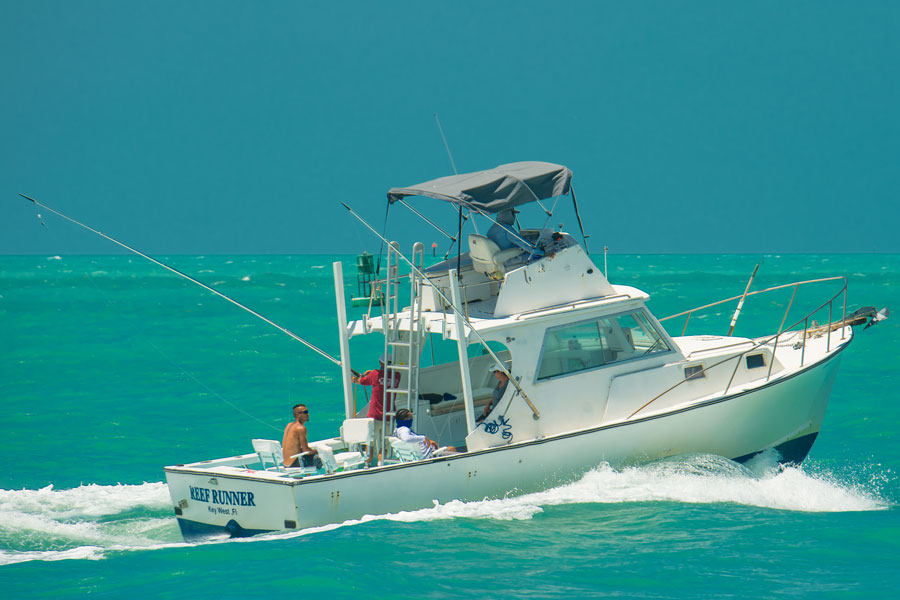
The Florida Keys are one of the premier fishing destinations not only in Florida, but anywhere in the world. Whether you want to sight-fish the flats, work channels and bridges, explore backcountry waters, or head offshore with a charter, the Keys offer remarkable variety. The shallow waters around Islamorada, often called the “Sport Fishing Capital of the World,” are especially well known for tarpon, bonefish, and permit.
For anglers looking for larger game fish, charter captains may run to reef, wreck, or blue-water grounds depending on season and conditions, where species such as sailfish, mahi-mahi, tuna, wahoo, snapper, and grouper may be available. The clear water, scenic setting, and broad mix of fisheries make the Keys a bucket-list destination for many anglers.
2. Lake Okeechobee – The Freshwater Giant
- Location: South-Central Florida, near Clewiston and surrounding communities
- Best for: Freshwater fishing, especially largemouth bass
- Target Species: Largemouth bass, crappie, bluegill, catfish
- Best Time to Fish: Year-round, with especially strong bass action often occurring in the cooler months into spring
Lake Okeechobee, often called “The Big O,” is Florida’s largest freshwater lake and one of the country’s most famous bass fisheries. Spanning more than 700 square miles, it gives anglers plenty of room to explore grass lines, marshes, lily pads, and shallow flats that create ideal habitat for largemouth bass.
In addition to bass, the lake is known for crappie, bluegill, and catfish, making it a well-rounded option for freshwater anglers. Water levels, vegetation, and weather can influence fishing patterns throughout the year, so local guides and bait shops are often excellent resources for up-to-date conditions.
3. Destin – The World’s Luckiest Fishing Village
- Location: Florida Panhandle
- Best for: Offshore, nearshore, and inshore fishing
- Target Species: Red snapper, grouper, king mackerel, cobia, amberjack
- Best Time to Fish: Year-round, with popular offshore seasons and species varying by regulations and weather
Destin, on Florida’s Emerald Coast, has long been associated with outstanding Gulf fishing. Its location gives anglers relatively quick access to productive nearshore and offshore waters, reefs, and structure, while Choctawhatchee Bay supports excellent inshore opportunities.
Popular catches in the area can include red snapper, king mackerel, grouper, cobia, amberjack, trout, redfish, and flounder, depending on the season and current rules. Destin is also known for its strong charter fleet and fishing events, making it one of the most visitor-friendly places in Florida to plan a guided trip.
4. Everglades National Park – Untouched Wilderness Fishing
- Location: South Florida
- Best for: Backcountry fishing, fly fishing, kayak fishing, and light-tackle trips
- Target Species: Snook, redfish, tarpon, sea trout, snapper
- Best Time to Fish: Year-round, with conditions often especially pleasant in cooler months and during seasonal migrations
The Everglades offers one of Florida’s most distinctive fishing experiences, with a mix of freshwater and saltwater habitats spread across mangrove shorelines, tidal creeks, shallow bays, and remote backcountry channels. These waters are prime territory for snook, redfish, tarpon, sea trout, and a variety of other species.
Fishing here is as much about the setting as the catch. Anglers often encounter exceptional wildlife and dramatic scenery, especially when exploring by skiff, canoe, or kayak. Because access points, tides, weather, and park-specific rules matter in this environment, many visitors benefit from researching conditions ahead of time or booking an experienced local guide.
5. Tampa Bay – Versatile Inshore Fishing
- Location: Florida’s central Gulf Coast
- Best for: Inshore fishing and family-friendly charter trips
- Target Species: Snook, redfish, tarpon, sea trout, sheepshead
- Best Time to Fish: Year-round, with tarpon season drawing major interest in late spring and summer
Tampa Bay is one of Florida’s most versatile inshore fisheries, thanks to its broad estuary system, grass flats, mangrove shorelines, residential canals, and nearby beaches. These varied habitats support popular game fish such as snook, redfish, sea trout, and sheepshead throughout much of the year.
During tarpon season, the bay and surrounding Gulf beaches become a major draw for anglers chasing the “Silver King.” Tampa Bay is also a good fit for visitors looking for calmer water and a shorter, family-oriented outing, with many guides offering half-day and beginner-friendly trips.
6. St. Augustine – Rich History, Rich Waters
- Location: Northeast Florida
- Best for: Inshore, nearshore, and offshore fishing
- Target Species: Redfish, flounder, tarpon, snapper, grouper, king mackerel
- Best Time to Fish: Year-round, with warmer months often favored for many offshore trips
St. Augustine is best known for its history, but it also offers excellent fishing. Inshore anglers can work creeks, estuaries, flats, and the Intracoastal Waterway for redfish, trout, and flounder, while nearby beaches and inlets add more options throughout the year.
Farther offshore, reefs and wrecks can produce king mackerel, snapper, grouper, cobia, and other seasonal species. The combination of fishable water, scenic coastline, and one of Florida’s most distinctive historic districts makes St. Augustine a strong choice for travelers who want to mix sightseeing with time on the water.
7. Islamorada – Sport Fishing Capital of the World
- Location: Upper and Middle Florida Keys
- Best for: Saltwater fishing, including flats, backcountry, reef, and offshore trips
- Target Species: Tarpon, bonefish, permit, sailfish, mahi-mahi, wahoo
- Best Time to Fish: Year-round, with species availability shifting by season
Islamorada, in the Florida Keys, has earned an international reputation among anglers for good reason. On a single trip, visitors may have access to shallow flats, backcountry channels, patch reefs, and offshore waters, depending on conditions and the style of fishing they prefer.
Fly anglers and light-tackle enthusiasts often come for tarpon, bonefish, and permit, while offshore boats may pursue sailfish, mahi-mahi, tuna, and wahoo at certain times of year. Islamorada also remains a major center for tournaments, professional guides, and destination fishing culture in the Keys.
8. Jacksonville – Northeast Florida’s Fishing Gem
- Location: Northeast Florida
- Best for: Inshore, offshore, river, and surf fishing
- Target Species: Redfish, trout, flounder, tarpon, king mackerel, snapper
- Best Time to Fish: Year-round, with different opportunities in the river, surf, and offshore waters as seasons change
Jacksonville offers a broad mix of fishing options thanks to its access to the St. Johns River, nearby inlets, Atlantic beaches, and offshore grounds. Inshore anglers regularly target redfish, trout, and flounder, while surf anglers may find pompano, whiting, bluefish, and other seasonal species along area beaches.
Offshore trips can produce snapper, grouper, king mackerel, cobia, and pelagic species depending on distance, weather, and time of year. Jacksonville’s strong local fishing culture and major events, including its well-known kingfish tournament scene, help keep it on the short list for serious Northeast Florida fishing destinations.
Fishing Regulations and Tips for Anglers in Florida
- Licenses: Most anglers age 16 and older need a valid Florida fishing license, although exemptions may apply and many licensed charter operators cover passengers under their permit. Check the official Florida Fish and Wildlife Conservation Commission licensing information before your trip: myfwc.com/license.
- Seasons and Limits: Bag limits, size limits, gear rules, and harvest seasons vary by species and location. Always verify current rules with FWC before fishing. Start here for official regulations: myfwc.com/fishing.
- Park and Protected Areas: If you plan to fish in places such as Everglades National Park, check park-specific rules, launch information, and safety guidance in advance: nps.gov/ever/planyourvisit/fishing.htm.
- Guided Charters: If you’re unfamiliar with local tides, weather, or access points, hiring a local guide or booking a charter can make a big difference, especially in offshore and backcountry areas.
A Haven for Anglers
Florida is a haven for anglers of all levels, offering a remarkable variety of fishing environments and target species. Whether you’re hoping to catch trophy bass on Lake Okeechobee, chase redfish across a grass flat, or battle tarpon in the Florida Keys, the Sunshine State delivers memorable fishing trips in every region. Conditions, species activity, and regulations can change, but Florida remains one of the best places in the country to plan a fishing getaway.