The Florida Holocaust Museum
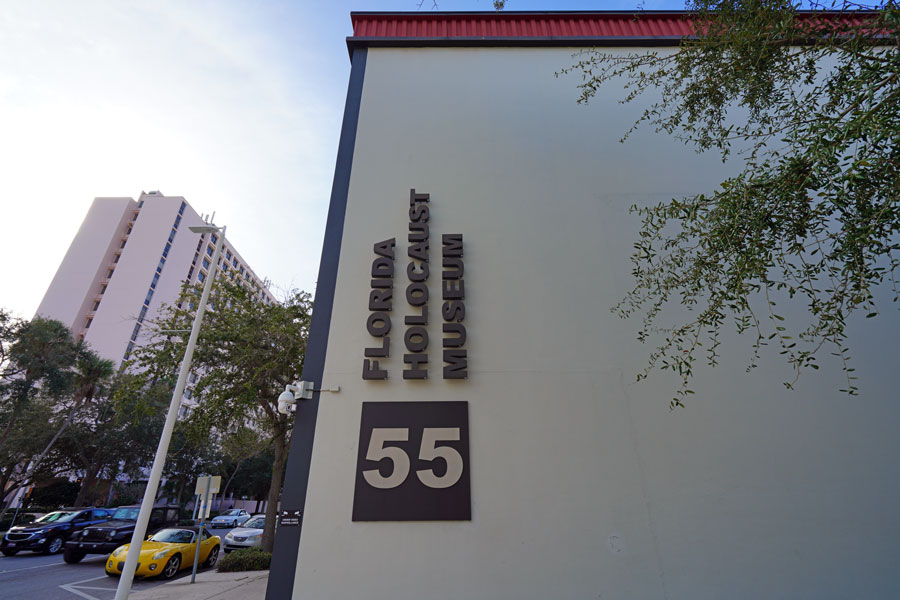
Located in the heart of downtown St. Petersburg, Florida, The Florida Holocaust Museum is a leading institution dedicated to preserving the memory of the Holocaust and advancing education about prejudice, human rights, and moral courage. Founded in 1992, the museum is recognized as one of the largest Holocaust museums in the United States and serves visitors through exhibitions, school programs, lectures, and community remembrance events.
Because exhibitions, programs, hours, and admission details can change, it is wise to check the museum’s official website before your visit.
Top Attractions at The Florida Holocaust Museum
- Permanent Exhibition
The museum’s core exhibition explores Holocaust history, memory, and its continuing lessons for the modern world. Gallery titles and layouts may evolve, but visitors can generally expect:- Historical interpretation tracing the rise of antisemitism, Nazi persecution, deportation, and liberation.
- Authentic artifacts, including the museum’s well-known Nazi railcar used in the deportation of victims.
- Survivor testimonies, photographs, documents, and personal belongings that bring individual stories into focus.
- Anne Frank and Youth-Focused Interpretation
Displays connected to Anne Frank, young people during the Holocaust, or similar educational themes may be featured as part of the museum experience or in rotating presentations. - Special Exhibitions
The museum regularly presents temporary exhibitions that expand on Holocaust history and related human rights topics, which may include:- Other genocides and crimes against humanity.
- Modern issues involving racism, discrimination, extremism, and civic responsibility.
- Survivor Stories and Memorial Displays
Reflective spaces and interpretive panels help connect the global history of the Holocaust to individual lives, including survivors who later built new lives in Florida.
Educational Programs
- Holocaust Education Initiatives
The museum is deeply committed to education and remembrance:- Workshops, lectures, and professional development opportunities may be offered for educators, students, and the public.
- Educational resources help schools and community groups engage thoughtfully with Holocaust history and human rights themes.
- Student Programs
School visits and youth programming are designed to encourage reflection and critical thinking:- Field trips may include guided tours, age-appropriate interpretation, and discussion-based learning.
- Programs often emphasize tolerance, ethical responsibility, and the importance of confronting hatred and indifference.
- Speaker Series and Public Programs
Visitors may have opportunities to hear from survivors, historians, authors, and human rights advocates through talks and special events.
Cultural and Historical Features
- Interactive Testimony Technology
The museum has featured innovative testimony experiences, including interactive recorded survivor presentations. Availability may vary by exhibit schedule. - Memorial Spaces
Quiet areas within the museum invite visitors to pause, reflect, and honor the victims of the Holocaust. - Library and Research Resources
The museum supports deeper study through archives, publications, and other educational materials related to Holocaust history and human rights.
Events and Community Programs
- Kristallnacht Commemoration
The museum often marks the anniversary of Kristallnacht with remembrance programming and educational reflection. - Yom HaShoah Observances
Holocaust Remembrance Day programs may include ceremonies, speakers, and community participation. - Human Rights and Civic Dialogue
Special events frequently connect Holocaust history to contemporary conversations about antisemitism, racism, genocide prevention, and democratic values.
Vicinity of the Museum
Nearby Attractions
When visiting The Florida Holocaust Museum, you can also explore several notable attractions in downtown St. Petersburg and along the waterfront:
- The Dalí Museum: Home to one of the most important collections of Salvador Dalí’s work outside Europe.
- Museum of Fine Arts, St. Petersburg: A longtime cultural destination with art spanning ancient to contemporary periods.
- St. Pete Pier: A lively waterfront district with public art, green space, dining, and bay views.
- The James Museum of Western & Wildlife Art: A distinctive museum showcasing art and storytelling inspired by the American West.
Amenities
- Museum Shop: Visitors may find books, educational materials, and meaningful gift items related to the museum’s mission.
- Parking: Parking is typically available through nearby street spaces and public garages or lots in downtown St. Petersburg. Availability can vary with area events.
- Restrooms: Visitor restrooms are available on site.
Accessibility
The Florida Holocaust Museum aims to provide an accessible and welcoming experience for a wide range of visitors.
- Accessible Facilities: Elevators, ramps, and accessible restrooms are generally available.
- Program Accessibility: Assistive listening or other accommodations may be available for select tours and events; contact the museum ahead of time for current options.
- Service Animals: Service animals are typically welcome in accordance with ADA guidelines.
Tips for Visiting The Florida Holocaust Museum
- Allow Enough Time: Many visitors spend two to three hours exploring the museum, though the length of your visit will depend on current exhibitions and how deeply you engage with the material.
- Check Hours and Tickets in Advance: Hours, admission policies, and special exhibition availability may vary by date.
- Prepare for an Emotional Experience: The subject matter is powerful and, at times, deeply moving. Consider pacing your visit and taking breaks as needed.
- Consider Age Appropriateness: Families with younger children may want to review current exhibition information beforehand, as some content can be intense.
- Look for Guided or Special Programs: Talks, docent tours, and temporary exhibitions can add valuable context to your visit when available.
Why Visit The Florida Holocaust Museum?
The Florida Holocaust Museum offers one of the Tampa Bay area’s most meaningful cultural experiences. Rather than a traditional entertainment stop, it is a place for learning, remembrance, and reflection. Its exhibitions and programs encourage visitors to confront the consequences of hatred while honoring the resilience, dignity, and testimony of those who endured the Holocaust. A visit here can be both historically illuminating and personally profound.
For current visitor information, exhibitions, and tickets, visit: https://www.thefhm.org/