Florida Museum of Natural History
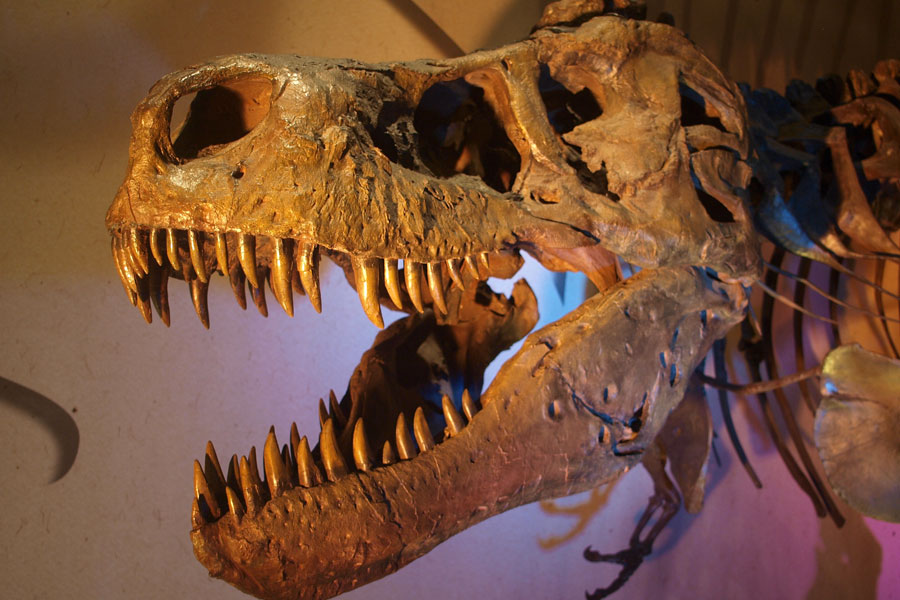
The Florida Museum of Natural History, located on the University of Florida campus in Gainesville, Florida, is the state’s official natural history museum. Founded in 1891, it is widely known for its major research collections, family-friendly exhibits, and broad focus on Florida’s fossils, wildlife, ecosystems, and cultural history.
For visitors, the museum offers a mix of permanent exhibition halls, changing displays, outdoor garden spaces, and the popular Butterfly Rainforest. It is one of Gainesville’s most rewarding stops for families, students, and anyone curious about the natural world. Exhibit schedules, special displays, and butterfly availability may vary by date, so it is smart to check the official museum website before visiting.
History and Mission
The museum traces its roots to the late 19th century, beginning with collections associated with Florida Agricultural College. It later became the Florida State Museum and then the Florida Museum of Natural History, reflecting its role as the state’s leading institution for natural history research, collections stewardship, and public education.
Its mission centers on inspiring people to care about life on Earth through scientific discovery, preservation, and interpretation. In addition to serving the public through exhibitions and programs, the museum supports important work in paleontology, archaeology, biodiversity, conservation, and environmental change.
Exhibits and Attractions
1. Florida Fossils: Evolution of Life and Land: One of the museum’s signature permanent exhibits, this gallery explores millions of years of Florida’s past through fossil specimens, reconstructions, and interpretive displays. It is an excellent introduction to how the state’s landscapes and wildlife have changed over time.
- Prehistoric Giants: Visitors can see impressive fossil displays and large-scale reconstructions that help bring Florida’s ancient seas, mammals, and predators to life.
- Geologic Storytelling: The exhibit explains how shifting coastlines, climate, and habitats shaped the Florida peninsula across deep time.
2. Butterfly Rainforest: The Butterfly Rainforest is one of the museum’s best-known experiences. This walk-through living exhibit surrounds visitors with tropical plants, waterfalls, and free-flying butterflies and moths. It is especially popular with families, photographers, and nature lovers.
- Up-Close Encounters: Guests can watch butterflies feeding, resting, and moving through the lush habitat. Seasonal conditions and daily operations may affect what you see.
- Daily Interpretation: Staff and signage help explain butterfly life cycles, host plants, and the importance of pollinators.
3. South Florida People & Environments: This long-running exhibit examines the connections between people and the natural world in South Florida, including the Everglades and coastal regions. It blends ecology, archaeology, and history to show how human communities adapted to this distinctive environment.
- Calusa and Regional History: Exhibits and artifacts help illustrate the lives of Indigenous peoples and the environmental setting that shaped South Florida’s past.
4. Discovery Zone and Family Areas: The museum regularly offers hands-on learning opportunities for younger visitors. Interactive stations and child-friendly interpretation make it easier for families to explore topics such as fossils, biodiversity, and archaeology together.
5. Florida Wildflower and Butterfly Garden: Outside the museum, visitors can enjoy landscaped spaces featuring native plants that support butterflies and other pollinators. These gardens add another relaxed, educational component to a museum visit and are especially pleasant in cooler weather.
6. Temporary and Special Exhibits: In addition to permanent displays, the museum may host rotating exhibitions, seasonal experiences, and special educational presentations. Availability changes over time, so check the current lineup before you go.
Research and Conservation
The Florida Museum of Natural History is also a major research institution. Its scientists, curators, and collections staff contribute to the study of fossils, archaeology, plants, insects, vertebrates, and biodiversity across Florida and beyond. The museum’s collections support both academic research and public understanding of how ecosystems change over time.
- Biodiversity and Taxonomy: Researchers document species diversity, identify organisms, and help track ecological change in Florida and other regions.
- Paleontology and Archaeology: Museum collections and fieldwork continue to improve understanding of Florida’s prehistoric life and human history.
- Public Science and Conservation: Through exhibits, outreach, and digital resources, the museum helps connect scientific work with everyday conservation awareness.
Educational Programs
The museum offers educational opportunities for a wide range of ages, from young children to adult learners. Programs may include school visits, guided group experiences, family activities, camps, lectures, and special events tied to science and natural history themes.
- School and Group Visits: Teachers and organized groups can often find curriculum-connected experiences focused on fossils, ecology, archaeology, and Florida habitats.
- Family Learning: Interactive exhibits, interpretive signage, and occasional special programs make the museum especially approachable for multigenerational visits.
Vicinity of Florida Museum
About the Area
The museum sits within the University of Florida’s Cultural Plaza in Gainesville, a city known for higher education, parks, museums, and easy access to North Florida springs and outdoor recreation. This setting gives visitors the chance to combine a museum trip with art, gardens, campus landmarks, and local dining.
Because the museum is part of a major university environment, the area often feels active and intellectually vibrant. It is a strong stop for travelers who want a cultural attraction that also works well on hot or rainy Florida days.
Nearby Attractions
- Kanapaha Botanical Gardens
Explore beautifully landscaped gardens featuring bamboo groves, water lilies, and a peaceful atmosphere for relaxation. - Devil’s Millhopper Geological State Park
Visit this unusual geological site featuring a large sinkhole, shaded boardwalks, and lush vegetation. - Lake Alice
Enjoy a scenic campus-area lake known for wildlife viewing, walking, and sunset atmosphere. - Harn Museum of Art
Discover a respected art museum next door with collections spanning several regions and time periods.
Additional Details
- Location: 3215 Hull Road, Gainesville, FL 32611, on the University of Florida campus.
- Hours of Operation: Hours vary by date, season, holidays, and special events. Permanent exhibits and the Butterfly Rainforest may keep different schedules, so confirm current hours before visiting.
- Admission: Admission to the museum’s permanent exhibition halls is generally free. Special experiences, including the Butterfly Rainforest and some temporary exhibits, may require paid tickets.
- Parking: Visitor parking is available in the museum area, but campus parking rules, availability, and event-day conditions may change. Review current parking guidance before arrival.
- Accessibility: The museum is designed to be accessible to a wide range of visitors. For the latest information about entrances, elevators, wheelchairs, or other visitor services, contact the museum directly before your trip.
- Dining and Shopping: A museum store and nearby campus-area food options can help round out your visit. On-site offerings may change over time.
Why Visit the Florida Museum of Natural History?
The Florida Museum of Natural History stands out as one of the state’s most engaging and educational attractions, offering a well-rounded experience that blends science, history, and interactive discovery on the University of Florida campus in Gainesville. Visitors can explore everything from ancient fossil exhibits and Florida’s evolving ecosystems to immersive experiences like the Butterfly Rainforest and hands-on discovery areas for younger guests, creating a balance that appeals to both families and curious adults. The combination of indoor galleries and outdoor spaces makes it a strong year-round destination, whether you are escaping the heat or planning a relaxed day of exploration, and with general admission to permanent exhibits typically free, it remains one of the most accessible and rewarding cultural stops in Florida for travelers seeking both value and substance.
For current exhibits, hours, tickets, and visitor information, visit the official website: https://www.floridamuseum.ufl.edu/