Indian Key Historic State Park
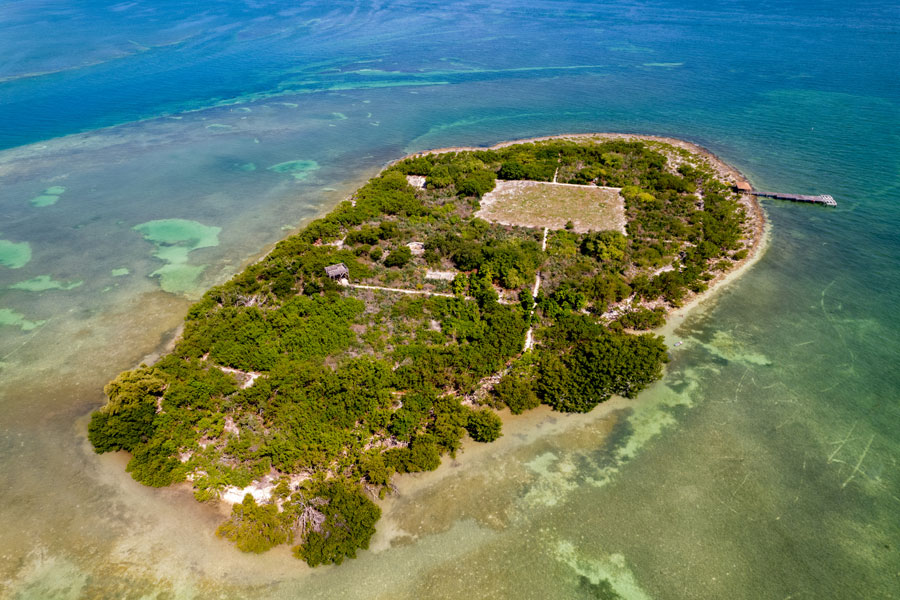
Located offshore near Islamorada in the Upper Florida Keys, Indian Key Historic State Park combines island scenery with one of the Keys’ most fascinating historic sites. Accessible only by private boat, kayak, or paddleboard, this small island was once a thriving 19th-century community and briefly served as the county seat of Dade County. Today, visitors come to explore the ruins of that former settlement, enjoy clear-water views, and experience a quieter side of the Florida Keys.
Things to Do at Indian Key Historic State Park
- Explore the Historic Ruins
Indian Key was a thriving town in the early 1800s, best known for its connection to the Florida Keys wrecking industry:- Walk the island’s paths to see foundations, cisterns, and other remnants of the former settlement.
- Read interpretive signs that explain the island’s rise, its maritime importance, and the 1840 attack that led to its decline.
- Take time to appreciate how much history is preserved on such a small island landscape.
- Kayak or Paddleboard to the Island
Reaching the park is part of the experience:- Launch from the Islamorada area and enjoy a scenic paddle across shallow coastal waters.
- Along the way, you may spot fish, rays, seabirds, and other marine life.
- Conditions can change with wind, weather, and tides, so paddlers should plan accordingly.
- Snorkel in Clear Waters
The waters around Indian Key are part of the Florida Keys National Marine Sanctuary:- On calm days, visitors may enjoy snorkeling or swimming in shallow areas near the island where conditions are appropriate.
- Look for seagrass, small fish, sponges, and other marine life while taking care not to disturb sensitive habitat.
- Walk the Island
Indian Key’s short walking routes offer a closer look at both nature and history:- Stroll beneath tropical vegetation such as gumbo limbo, sea grape, and other native coastal plants.
- Pause for open-water views and a sense of the island’s quiet, remote setting.
- Picnic and Relax
This is a great place for a simple, self-contained island stop:- Bring your own water, snacks, and lunch, since there are no concessions on the island.
- Enjoy a quiet break while taking in the surrounding views of the Keys.
Rich Historical Legacy
Indian Key played an important role in early Florida Keys history:
- In the early 19th century, the island became a center of the wrecking industry, which involved salvaging cargo from ships wrecked on nearby reefs.
- It briefly served as the county seat of Dade County before the settlement was attacked in 1840 during the Second Seminole War.
- Today, the park preserves the site as an open-air historic landscape where visitors can imagine life in one of the Keys’ earliest communities.
Wildlife and Nature
The island and nearby waters support a variety of plant and animal life:
- Marine Life: Paddlers and swimmers may see fish, rays, and other shallow-water species, with occasional sightings of manatees or dolphins in the surrounding area.
- Bird Watching: Pelicans, herons, ospreys, and other coastal birds are commonly seen around the island.
- Native Vegetation: Indian Key features tropical hardwood hammock species and shoreline vegetation that help give the island its distinctive character.
Amenities & Facilities
Indian Key Historic State Park is lightly developed in order to protect its historic and natural setting:
- No Restrooms or Drinking Water: Bring all essentials with you and plan to pack everything back out.
- No Concessions: Food, drinks, and gear are not sold on the island.
- Boat Access: A small docking or landing area is available for visitors arriving by water, though space and conditions may vary.
- Interpretive Features: Self-guided exploration is supported by paths and historical signage.
Accessibility
Indian Key Historic State Park is accessible only by watercraft:
- Kayak or Paddleboard Access: Many visitors reach the island by paddling from the Islamorada area.
- Private Boat Access: Boaters can visit the island when weather and water conditions allow.
- Terrain Considerations: Once on the island, paths and historic ground surfaces may be uneven.
Tips for Visiting the Park
- Bring Essentials: Pack water, sunscreen, insect repellent, snacks, and any safety gear you need for your trip.
- Protect Historic Resources: Do not climb on ruins or remove artifacts, shells, or natural features.
- Wear Appropriate Footwear: Water-friendly shoes or sturdy walking shoes are helpful on docks, shoreline areas, and uneven paths.
- Check Conditions Before You Go: Weather, wind, tides, and water conditions can affect access and comfort.
- Expect Limited Services: Hours, access conditions, and availability may change, so check official park information before heading out.
Vicinity of Indian Key Historic State Park
Nearby Attractions
- Lignumvitae Key Botanical State Park: Explore another nearby island park known for its history and protected tropical habitat.
- Theater of the Sea: A longtime Islamorada attraction offering marine-animal programs and family-friendly experiences.
- Robbie’s of Islamorada: Feed tarpon, browse shops, and book watersports or sightseeing activities.
- Islamorada: Discover restaurants, galleries, marinas, and more things to do in the surrounding village area.
Why Visit Indian Key Historic State Park?
Indian Key Historic State Park offers a rare chance to experience the Florida Keys’ history in a scenic offshore setting. The combination of paddling access, preserved ruins, tropical vegetation, and peaceful water views makes it especially appealing for visitors who enjoy low-key adventure and meaningful historic places. If you want to explore a quieter, more reflective side of the Keys, Indian Key is a memorable stop.
For more information visit: https://www.floridastateparks.org/parks-and-trails/indian-key-historic-state-park