Lake Okeechobee
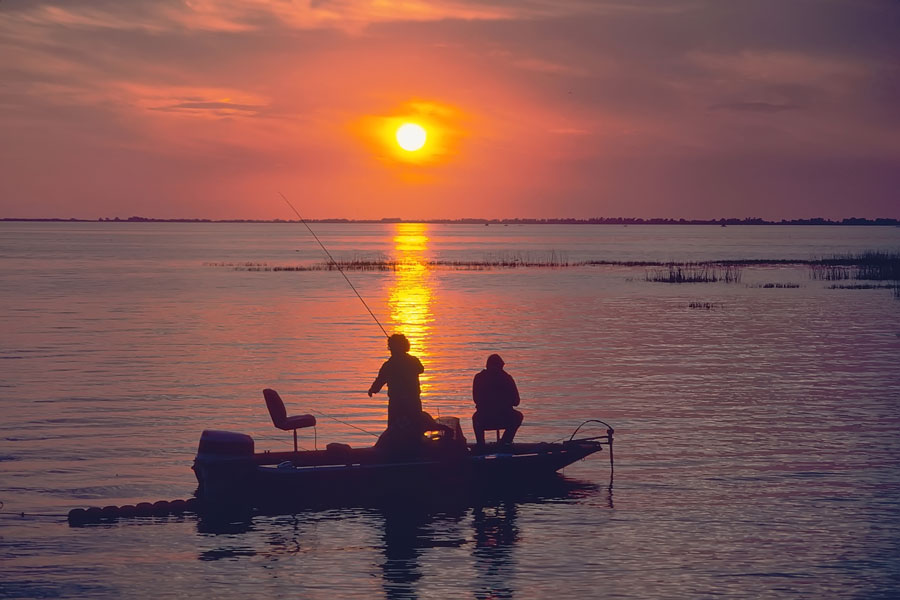
Lake Okeechobee, often called “The Big O,” is the largest freshwater lake in Florida and one of the largest natural freshwater lakes entirely within the contiguous United States. Covering about 730 square miles, this broad, shallow lake is central to South Florida’s ecology, water management, agriculture, and outdoor recreation. Known for trophy bass fishing, expansive views, and rich birdlife, Lake Okeechobee draws anglers, nature lovers, cyclists, paddlers, and travelers looking to experience Florida beyond the beaches and theme parks.
Geographic and Ecological Significance
- Location and Size:
Lake Okeechobee sits in south-central Florida and is a major part of the greater Everglades watershed. Roughly circular and about 35 miles across, it often feels more like an inland sea than a typical lake. - Water Management Role:
The lake receives water from the Kissimmee River basin to the north, and its levels and outflows are carefully managed as part of South Florida’s regional water system. Depending on conditions, water may move south toward the Everglades and also east or west through canals and flood-control structures. - Wildlife Habitat:
The lake and surrounding marshes support a wide variety of wildlife, including:- Birds: Ospreys, herons, egrets, ibises, and roseate spoonbills, along with migratory waterfowl in cooler months.
- Fish: Largemouth bass, black crappie, bluegill, and catfish.
- Reptiles and Mammals: Alligators, turtles, otters, and other wetland species that thrive in and around the marshy shoreline.
Recreational Opportunities
Lake Okeechobee offers a wide range of outdoor experiences, from serious fishing trips to scenic drives and trail rides:
- Fishing:
- Lake Okeechobee is internationally known for largemouth bass fishing and also supports popular crappie, bluegill, and catfish angling.
- Guides, bait shops, marinas, and tournament activity help make the lake one of Florida’s best-known freshwater fishing destinations.
- Boating and Paddling:
- Public ramps, marinas, locks, and canal access points make boating popular around the lake. Paddling is possible in select areas, but open water can become rough quickly when winds pick up, so conditions should always be checked before launching.
- Hiking and Biking:
- The Lake Okeechobee Scenic Trail (LOST) runs about 109 miles atop the Herbert Hoover Dike and is one of Florida’s most distinctive long-distance walking and cycling routes. Access to individual sections may vary due to maintenance, restoration work, weather, or water-management operations.
- Wildlife Viewing:
- The lake’s rim, wetlands, and nearby marshes offer excellent birdwatching and nature photography, especially in the cooler, drier part of the year.
- Camping:
- Campgrounds, RV parks, cabins, and hotels can be found in communities around the lake, giving visitors a range of options for overnight stays.
Environmental Challenges and Conservation Efforts
- Nutrient Pollution and Algal Blooms:
Agricultural runoff and other nutrient sources can contribute to water-quality problems, including periodic harmful algal blooms that affect recreation, fish and wildlife habitat, and downstream estuaries. Conditions can change, so visitors should check current advisories before heading out. - Restoration and Infrastructure Projects:
State and federal agencies continue to work on water-quality improvement, habitat restoration, and flood-control projects tied to the lake and the broader Everglades system, including:- Kissimmee River Restoration: Long-term efforts to improve flow and ecological health in the watershed north of the lake.
- Herbert Hoover Dike Rehabilitation: Ongoing work to strengthen and maintain the dike that surrounds much of the lake.
- Wildlife Protection:
Conservation programs focus on sustaining wetland habitat, supporting native species, and balancing recreation with the lake’s ecological importance.
Historical and Cultural Significance
- Indigenous and Early History:
Long before modern drainage and development, Indigenous peoples lived, traveled, and gathered resources in the Lake Okeechobee region. The area is also closely connected to Seminole history and culture. - Hurricane History:
The deadly hurricanes of 1926 and 1928 caused catastrophic flooding around Lake Okeechobee and helped drive the construction of the Herbert Hoover Dike. - Modern-Day Importance:
Today, the lake remains essential to South Florida’s agriculture, tourism, recreation, and water-management system, making it one of the state’s most important inland landscapes.
Surrounding Communities
The communities around Lake Okeechobee add local character and provide many of the services visitors rely on for fishing trips, overnight stays, and sightseeing:
- Clewiston: Often associated with the nickname “America’s Sweetest Town,” Clewiston is a popular base for fishing charters, lake access, and small-town hospitality.
- Okeechobee: On the north side of the lake, Okeechobee serves as a major gateway community with marinas, lodging, dining, and access to the region’s outdoor culture.
- Belle Glade and Pahokee: These communities along the southern edge of the lake are closely tied to Florida’s agricultural heritage and offer a different perspective on the lake’s landscape and economy.
Vicinity of the Lake
Visitor Amenities
- Marinas and Boat Ramps:
Public and private access points around the lake support fishing boats, pleasure craft, and guided outings. Services vary by location and may include bait, fuel, supplies, and launch facilities. - Local Visitor Information:
Community tourism offices, marinas, bait-and-tackle shops, and park staff can help with directions, access advice, seasonal events, and current conditions around the lake. - Accommodations:
Visitors can choose from campgrounds, RV parks, cabins, motels, and hotels in towns around the lake. Availability may change seasonally, especially during major fishing periods and events.
Tips for Visiting Lake Okeechobee
- Best Time to Visit:
Fall through spring often brings more comfortable temperatures for fishing, birding, cycling, and general sightseeing, though conditions can be enjoyable year-round. - Bring the Right Gear:
Pack sun protection, insect repellent, water, and sturdy footwear. Binoculars are useful for birdwatching, and anglers should be prepared for changing weather and wind exposure. - Stay Safe on the Water:
Because the lake is broad and shallow, wind can build choppy conditions quickly. Check weather forecasts, follow boating safety rules, and use caution near wildlife and marshy shorelines. - Plan Ahead:
Confirm fishing regulations, license requirements, trail access, boat-ramp details, and any park or marina hours before your trip. Conditions and availability may change due to weather, maintenance, water-quality advisories, or water-management operations.
Why Visit Lake Okeechobee?
Lake Okeechobee offers a side of Florida that feels wide open, storied, and deeply connected to the state’s natural systems. Whether you come for bass fishing, a stretch of the scenic trail, birdwatching at sunrise, or simply to experience the scale of Florida’s heartland, the lake delivers a memorable mix of recreation, history, and landscape.
For current recreation, trail, lock, and water-management information, visit the South Florida Water Management District: https://www.sfwmd.gov/  . For fishing licenses and regulations, visit the Florida Fish and Wildlife Conservation Commission: https://myfwc.com/