Morikami Museum & Japanese Gardens
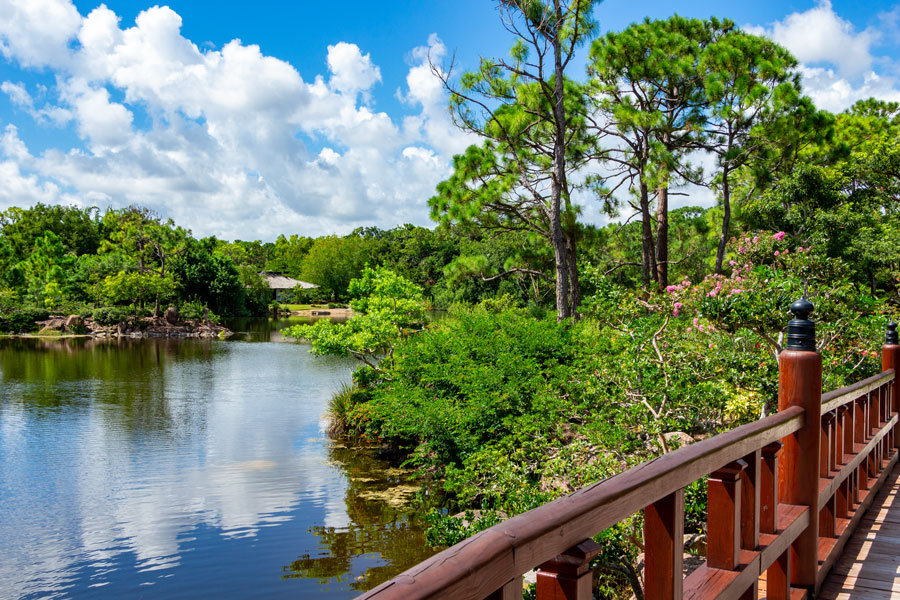
Morikami Museum and Japanese Gardens, located in Delray Beach, Florida, is one of South Florida’s most distinctive cultural attractions. The campus pairs a museum devoted to Japanese art, history, and culture with elegant garden spaces inspired by classic Japanese landscape traditions. Visitors can enjoy peaceful walks, rotating exhibitions, cultural programs, and a deeper look at the historic ties between Japan and Palm Beach County.
Features of Morikami Museum and Japanese Gardens
- Roji-en: Museum Garden
Morikami is especially known for its six historical garden styles, inspired by different eras of Japanese garden design:- Shinden Garden: Inspired by the courtly estates of the Heian period.
- Paradise Garden: Reflecting Pure Land garden ideas with water, islands, and symbolic scenery.
- Early Rock Garden: A style emphasizing stone arrangements and early dry landscape concepts.
- Karesansui Garden: A classic dry landscape composition designed for contemplation.
- Hiraniwa Garden: A flatter garden style that highlights balance, open space, and careful plant placement.
- Modern Romantic Garden: A more contemporary interpretation of Japanese garden aesthetics.
- Morikami Museum
- Features rotating exhibitions that may include Japanese art, artifacts, photography, textiles, and contemporary works.
- Interprets Japanese culture through changing displays, educational materials, and stories connected to South Florida’s historic Yamato community.
- Yamato-kan
- The original museum building, modeled after a Japanese villa, highlights the history of early Japanese settlers in the region.
- Bonsai and Garden Details
- Visitors can look for bonsai displays, stone lanterns, bridges, water features, and carefully maintained plantings throughout the grounds.
- Lakeside Scenery
- Paths around the water, island views, and quiet seating areas help give the property its calm, reflective atmosphere.
Things to Do
- Garden Walks
- Stroll along scenic paths past ponds, bridges, bamboo, flowering plants, and historically inspired garden spaces.
- Museum Visits
- Spend time indoors exploring exhibitions that add cultural and historical context to the outdoor experience.
- Tea and Cultural Experiences
- Tea ceremonies, demonstrations, and related programs may be available on select dates or with advance planning.
- Photography
- The gardens are a favorite for scenic photos thanks to their water views, traditional design elements, and seasonal color.
- Quiet Reflection
- Many visitors come simply to slow down, enjoy the surroundings, and take in one of the most tranquil settings in Palm Beach County.
Programs and Events
- Cultural Workshops and Classes
- Programs may include ikebana, calligraphy, origami, language-related activities, lectures, or other hands-on cultural experiences.
- Seasonal Festivals
- Hatsume Fair: Morikami’s best-known festival traditionally celebrates Japanese culture with food, performances, shopping, and demonstrations.
- Oshogatsu: New Year programming may include traditional customs, family activities, and cultural presentations.
- Performances and Demonstrations
- Depending on the calendar, visitors may find taiko drumming, martial arts demonstrations, or other live cultural presentations.
- Special Exhibitions
- Temporary exhibitions help make repeat visits worthwhile, with themes that can range from traditional arts to contemporary Japanese culture.
Dining and Shopping
- Cornell Café
- The on-site café is a convenient spot for lunch or a break during your visit. Menu offerings and hours may vary.
- Museum Store
- Browse Japanese-inspired gifts, books, home décor, stationery, textiles, and other distinctive souvenirs.
Vicinity of the Museum and Gardens
Nearby Attractions
Enhance your visit to Morikami with these nearby and regional destinations:
- Atlantic Avenue in Delray Beach: A lively downtown corridor with restaurants, shops, galleries, and nightlife.
- Delray Municipal Beach: A popular oceanfront stop for a walk on the sand or time by the water.
- Wakodahatchee Wetlands: A favorite for birdwatching, photography, and an easy boardwalk nature walk.
- Butterfly World: A worthwhile regional side trip in Coconut Creek for visitors exploring more of South Florida.
Amenities
- Restrooms: Visitor facilities are available on-site.
- Parking: On-site parking is typically available for museum guests.
- Café and Gift Shop: Dining and shopping options help round out the visit.
- Visitor Services: Check with the museum directly for current admission details, membership options, tours, and any mobility-assistance availability.
Accessibility
Morikami strives to provide an inclusive visitor experience:
- Accessible Parking: Designated accessible parking spaces are typically available near the entrance.
- Accessible Routes: The museum building and many primary visitor areas are designed to be accessible, though some outdoor surfaces may vary.
- Service Animals: Service animals are generally permitted in accordance with ADA guidelines.
Tips for Visiting the Museum and Gardens
- Check Hours Before You Go: Museum hours, garden access, and special-program availability may vary by date.
- Wear Comfortable Shoes: You’ll likely spend a good amount of time walking both indoors and outdoors.
- Plan for the Weather: South Florida can be hot, humid, or rainy, so water, sunscreen, and light rain protection are smart to bring.
- Review the Event Calendar: Workshops, exhibits, and seasonal festivals can add a lot to the experience.
- Take Your Time: Morikami is best enjoyed at a relaxed pace, especially in the gardens and quieter seating areas.
Why Visit the Morikami Museum?
Morikami Museum and Japanese Gardens offers a rare mix of cultural depth and natural beauty. It’s a place where visitors can slow down, enjoy beautifully designed landscapes, and connect with Japanese art, history, and traditions in a South Florida setting. Whether you’re planning a peaceful solo visit, a date, or a family outing, Morikami stands out as one of the region’s most memorable attractions.
For current hours, admission, exhibitions, and event details, visit the official website: https://morikami.org/