Smithsonian Marine Ecosystems Exhibit
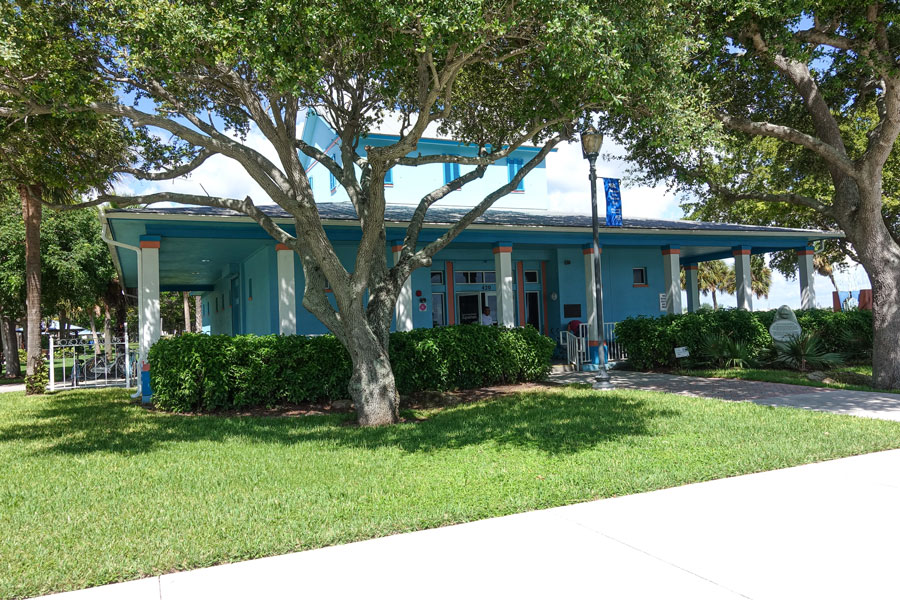
Located inside the St. Lucie County Aquarium in Fort Pierce, the Smithsonian Marine Ecosystems Exhibit (SMEE) gives visitors an engaging look at Florida’s coastal and offshore habitats. This compact but highly informative aquarium is best known for its living ecosystem displays, interpretive exhibits, and hands-on learning opportunities that help explain the importance of marine science and conservation.
It is a worthwhile stop for families, students, and nature-minded travelers exploring the Treasure Coast, especially if you want an attraction that is educational, easy to navigate, and closely tied to the region’s waterways.
Key Features of the Exhibit
- Living Ecosystem Displays
The exhibit is known for living aquarium displays representing several Florida and western Atlantic marine habitats, including:- A 3,000-gallon model of a Caribbean coral reef
- Seagrass beds
- Mangrove forests
- Lagoon hardbottom communities
- Nearshore reefs
- A deepwater Oculina coral reef
- Touch Tank Experience
Visitors may be able to interact with select local marine life, such as horseshoe crabs and sea stars, in a supervised touch tank area that adds a hands-on dimension to the visit. - Interpretive and Educational Content
Displays, signage, and staff-led interpretation help explain how these ecosystems function, how species are connected, and why conservation matters along Florida’s coasts. - Programs and Tours
Depending on the day, the aquarium may offer opportunities such as:- Guided tours and animal talks
- Feeding demonstrations
- Behind-the-scenes experiences focused on aquarium operations
- Self-guided educational activities
- Distance-learning or school-focused resources when available
Recreational Activities & Experiences
- Daily Aquarium Viewing
Even a short visit can be rewarding thanks to the exhibit’s close-up views of fish, invertebrates, and habitat displays that are easy to explore at your own pace. - Scheduled Feedings and Animal Talks
Programs may include special presentations such as feeding sessions, staff talks, or themed tours. Availability can vary by date and staffing. - Behind-the-Scenes Tours
When offered, these tours provide insight into aquarium care, life-support systems, and the work required to maintain healthy marine environments.
Amenities & Facilities
- Educational Focus
The attraction is designed around compact aquarium galleries, learning stations, and interpretive exhibits rather than large-scale entertainment. - Gift and Learning Materials
Merchandise and educational materials may be available on site, though selections can vary. - Volunteer and Community Opportunities
The aquarium has historically supported volunteer involvement and community-based educational programming tied to marine life and conservation.
Accessibility
- Wheelchair Accessibility
Public exhibit areas are generally designed to be accessible to visitors with mobility needs. - Service Animals
ADA service animals are generally permitted in public areas; contact the facility directly if you have questions about specific exhibit or animal-interaction spaces. - Visitor Comfort
As with most public attractions, guests can expect basic visitor facilities, but it is best to confirm specific accessibility accommodations before arrival if needed.
Tips for Visiting
- Check the Official Schedule
Hours, admission, and program availability may vary by date, season, and special events, so it is smart to review the official aquarium page before you go. - Ask About Programs
Staff and volunteers can often point you toward feedings, talks, or other timed experiences that add more value to a visit. - Pair It With Nearby Stops
The aquarium works especially well as part of a half-day outing with downtown Fort Pierce, the inlet area, or the beach and park attractions nearby. - Allow Flexible Time
Many visitors can enjoy the exhibit in under two hours, but marine-life enthusiasts may want extra time to read displays and attend a scheduled talk.
Vicinity of the Marine Ecosystems Exhibit
Nearby Attractions
- Downtown Fort Pierce (about 2 miles west) A historic downtown district with restaurants, galleries, shops, and waterfront views.
- Smithsonian Marine Station (nearby) A research facility associated with marine science and biodiversity studies in the region.
- Jetty Park (about 2 miles northeast) A popular spot for inlet views, fishing, walking, and watching boats move between the Indian River Lagoon and the Atlantic.
- Fort Pierce Inlet State Park (about 2 miles northeast) A scenic coastal park known for beaches, paddling, fishing, and nature-based recreation.
Why Visit the Smithsonian Marine Ecosystems Exhibit?
The Smithsonian Marine Ecosystems Exhibit stands out because it makes Florida’s marine environments easy to see and understand in one visit. Rather than presenting the coast as a single habitat, it shows how reefs, mangroves, seagrass beds, and other ecosystems connect to support marine life. For visitors who enjoy aquariums, coastal nature, or educational attractions, it is one of Fort Pierce’s most distinctive and family-friendly stops.
For the latest hours, admission details, and program information, visit the official St. Lucie County Aquarium page