The St. Johns River
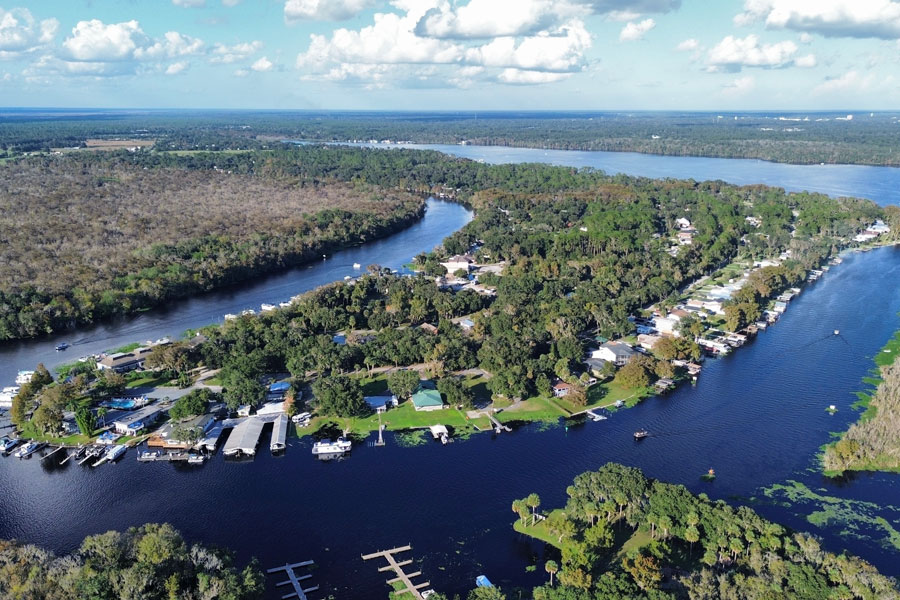
The St. Johns River is one of Florida’s most iconic natural features, winding through the state as a vital waterway rich in history, wildlife, and recreation. Stretching about 310 miles, it is Florida’s longest river and one of the most prominent rivers in the United States that flows north. From marshy headwaters in east-central Florida to the Atlantic Ocean near Jacksonville, the river connects cities, wetlands, springs, lakes, and outdoor adventures across a large swath of the state.
The Journey of the St. Johns River
The St. Johns River begins in broad marshlands in Indian River County, west of Vero Beach in southeastern Florida. Its slow-moving waters travel northward through floodplains, lakes, and tributaries before emptying into the Atlantic Ocean near Jacksonville. Along the way, the river helps shape the regions it passes through, influencing everything from settlement patterns to recreation and wildlife habitat.
The river is often called “The River of Lakes” because of its broad basins, linked lakes, and wide, slow-flowing character.
Regions of the St. Johns River
The St. Johns River is commonly described in three primary regions, each with its own scenery and visitor appeal:
- Upper Basin (Headwaters to around Lake Monroe)
- The upper basin is a vast network of marshes, swamps, and shallow lakes, with a more remote and undeveloped feel than many other parts of the river.
- Highlights include Blue Cypress Lake and the headwaters marshes, where visitors can enjoy scenic boat outings, kayaking, photography, and birdwatching.
- Wildlife is abundant here, including alligators, otters, and wading birds such as herons, egrets, and ibis.
- Middle Basin (Lake Monroe to Lake George)
- The middle basin becomes more defined and navigable, passing communities such as Sanford and the greater DeLand area.
- Lake Monroe, near Sanford, is a popular spot for boating and fishing. Visitors can pair river time with a trip to the Central Florida Zoo or a walk along the Sanford Riverwalk.
- Farther north, Lake George—one of Florida’s largest lakes—is well known for fishing, boating, and easy access to nearby spring areas such as Silver Glen Springs and Salt Springs.
- Lower Basin (Palatka to Jacksonville and the Atlantic)
- The lower basin widens dramatically, supporting communities such as Palatka and Jacksonville. This stretch has long been important for transportation, commerce, and recreation.
- Jacksonville showcases the river’s urban side, with riverwalks, parks, museums, dining, and sweeping skyline views along the waterfront.
- The river also supports the Port of Jacksonville (JAXPORT), one of Florida’s major shipping hubs.
Ecological Importance
The St. Johns River is a major ecological corridor for Florida. Its marshes, floodplains, springs, tributaries, and estuarine areas support remarkable biodiversity. Visitors may spot:
- Manatees, especially in warm-water areas such as Blue Spring State Park during cooler months.
- Birds including bald eagles, ospreys, sandhill cranes, wood storks, and many species of herons and egrets.
- Alligators, turtles, otters, and other wildlife that thrive in wetlands and along quiet shorelines.
Many of the springs connected to the St. Johns River system are among the clearest waters in the state. Places such as Wekiwa Springs, Silver Springs, and Blue Spring are popular for swimming, paddling, wildlife viewing, and relaxing outdoors, although access and in-water activities can vary by season, weather, and wildlife protections.
Recreational Opportunities
The St. Johns River offers a wide range of outdoor recreation for day-trippers and longer Florida getaways:
- Boating: From kayaks and pontoon boats to sightseeing cruises and private charters, the river is well suited for time on the water. Public ramps, marinas, and tour operators are found in many river communities.
- Fishing: Anglers target largemouth bass, catfish, crappie, and other freshwater species, with some lower-river areas offering brackish-water opportunities as well. Regulations and license requirements apply.
- Wildlife Tours: Eco-tours, airboat rides in select areas, and guided paddling trips provide a closer look at the river’s diverse habitats.
- Camping and Hiking: Parks along the river, including Blue Spring State Park and Hontoon Island State Park, offer trails, picnic areas, and overnight options in scenic natural settings.
Cultural and Historical Significance
The St. Johns River has played a central role in Florida history for centuries:
- Indigenous peoples, including the Timucua and earlier cultures, relied on the river for transportation, food, trade, and settlement.
- European explorers and colonists used the river as a route for travel, commerce, and expansion into the interior of Florida.
- In later centuries, the river helped support logging, agriculture, steamboat travel, tourism, and the growth of riverfront towns.
Today, communities such as Sanford, Palatka, Jacksonville, and the DeLand area still reflect the river’s influence through historic districts, museums, parks, and seasonal events.
Approximate River Map
St. Johns RIVERKEEPER Overview Map
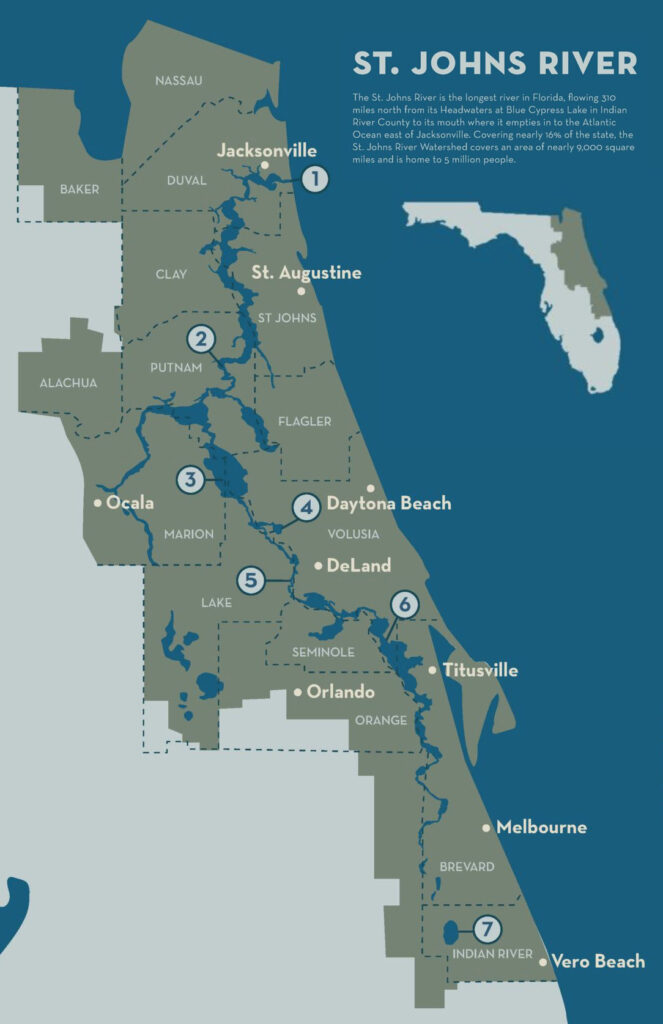
See full-size map: https://stjohnsriverkeeper.org/about-us/our-river/ 
Visiting the St. Johns River
For travelers seeking natural beauty, history, and outdoor adventure, the St. Johns River is one of Florida’s most rewarding destinations. Because it spans such a large part of the state, your visit can be tailored to the kind of experience you want—urban waterfront dining in Jacksonville, wildlife viewing near Blue Spring, paddling around Hontoon Island, or a relaxed day on the water near Sanford and Lake Monroe.
There is no single “main entrance” to the river. Instead, visitors typically explore it through parks, marinas, riverwalks, boat ramps, and guided tours in different regions. Popular starting points include Jacksonville’s riverfront, the Sanford area, Blue Spring State Park, and Hontoon Island State Park.
Hours, launch fees, guided-tour availability, and seasonal wildlife protections vary by park, marina, and tour operator. If you plan to paddle, fish, or book a nature cruise, it’s smart to check current conditions and make reservations in advance when needed—especially during manatee season, holiday weekends, and periods of summer storm activity.
For trip ideas, regional highlights, and additional planning information, visit https://explorethestjohns.com/