Coral Gables, Florida
If you arrive in Coral Gables, you may feel as though you have stepped into a Mediterranean-inspired city from another era. The community’s signature entrances, coral rock details, plazas, esplanades, and fountains reflect the vision of the 1920s. Mediterranean Revival homes and public buildings still give the city a distinctive, carefully planned character.
That enduring elegance helps explain the city’s longtime nickname, The City Beautiful. Tree-lined streets, mature banyans, oaks, palms, and royal poinciana trees add to the atmosphere, especially in the city’s historic neighborhoods and downtown corridors.
About the Community
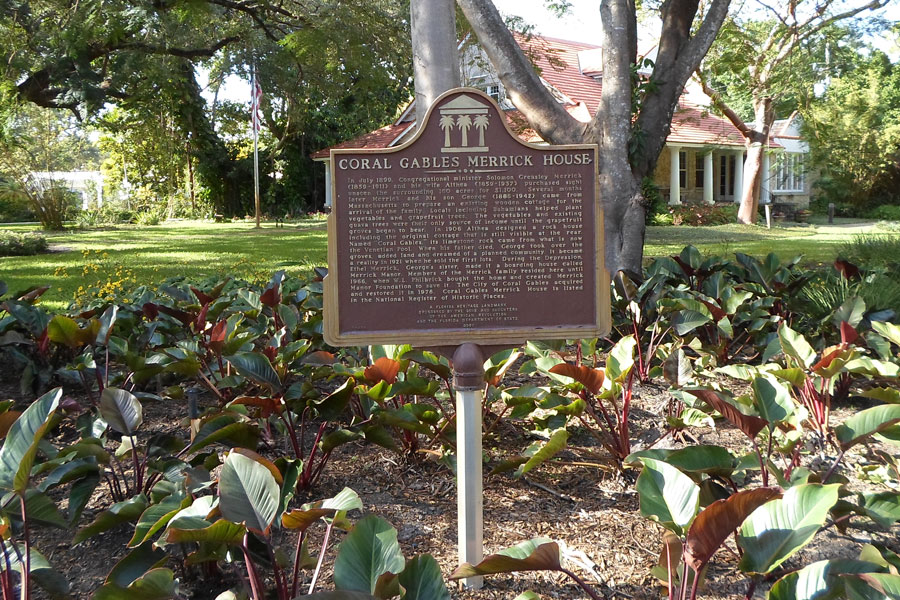
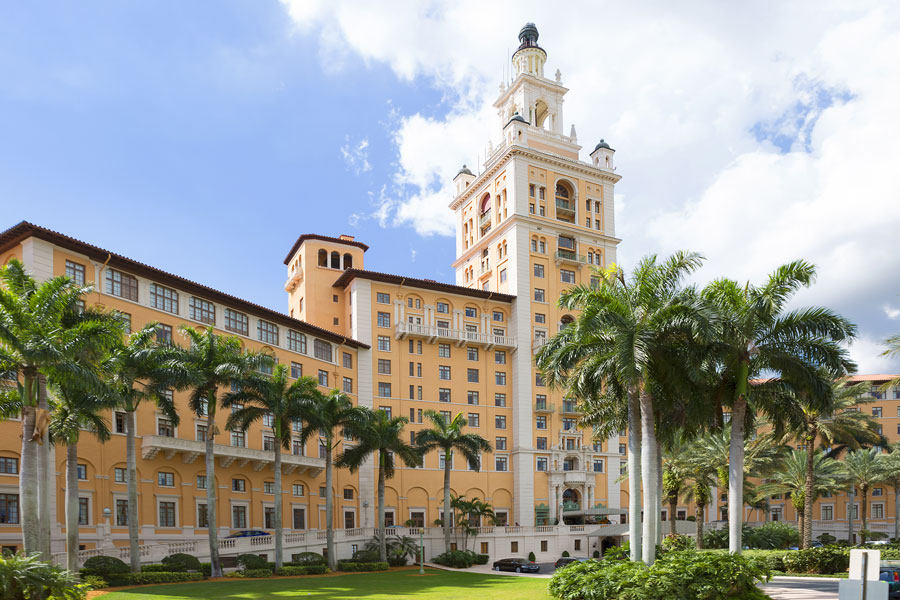
George E. Merrick developed Coral Gables from family farmland and citrus groves with the goal of creating a master-planned city that would showcase South Florida’s climate, landscape, and architecture. The name came from “Coral Gables,” the family home built of native rock on the Merrick property. Coral Gables was incorporated in 1925, and many landmarks from that era remain central to its identity, including the Biltmore Hotel and Venetian Pool. The Biltmore continues to be one of the city’s signature historic resorts, known for its grand architecture, golf, dining, spa amenities, and expansive pool complex.
Important Links (Suggest / Report)

Vicinity of Coral Gables
Additional Details
Today Coral Gables has a population of roughly 50,000 residents. Strong civic amenities, attractive neighborhoods, and a walkable downtown continue to define the city. Healthcare options in and near Coral Gables include Coral Gables Hospital and Baptist Health Doctors Hospital. Public art, galleries, performances, and seasonal cultural programming add to local life, while the University of Miami anchors the community as a major private research university with athletics, the Lowe Art Museum, music, theater, lectures, and other public events.

Fairchild Tropical Botanic Garden, founded in 1938, is an 83-acre botanic garden known for its tropical plant collections, conservatory displays, educational programs, and seasonal events. Nearby Matheson Hammock Park is another local favorite for boaters, picnickers, and nature lovers, with shoreline views, trails, and a man-made atoll pool. The Venetian Pool remains one of Coral Gables’ signature historic attractions. Fed by spring water and framed by coral rock, loggias, and waterfalls, it is listed on the National Register of Historic Places. Admission policies, hours, and seasonal operating dates can vary, so checking ahead is a good idea.
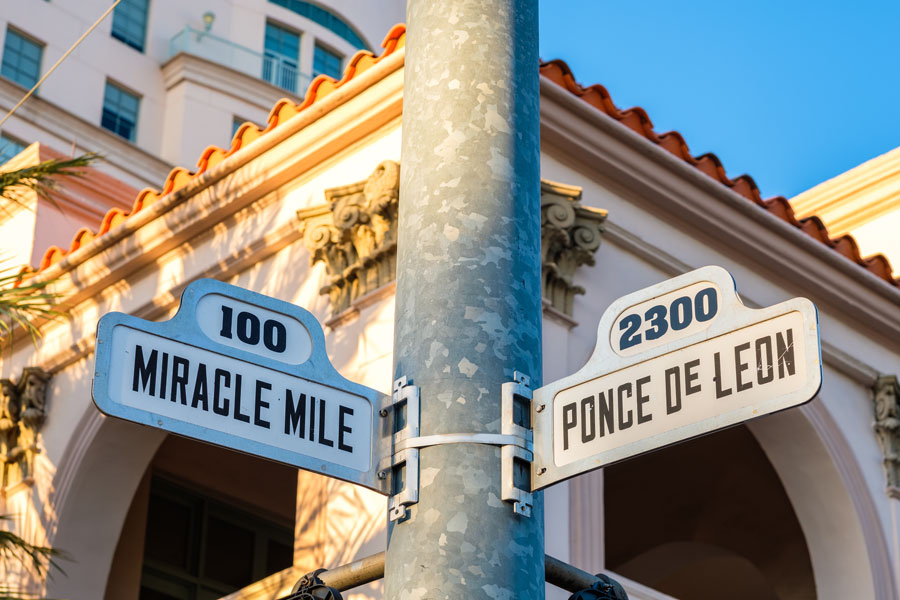
Coral Gables is also known for dining and shopping, with everything from casual cafes to acclaimed restaurants. Miracle Mile and Giralda Plaza are popular for sidewalk dining, boutiques, galleries, and performing arts venues. Transit, trolley, and parking options may change over time, so it is smart to check current city guidance before your visit. For more shopping, head to The Shops at Merrick Park, an open-air center with fashion retailers, restaurants, fountains, tropical landscaping, and a relaxed village-style setting.