Fort Lauderdale, Florida
Fort Lauderdale is a major city in Broward County known for its extensive canal system, marinas, shopping districts, and vibrant waterfront setting. Located along Florida’s Atlantic coast between Miami and Hollywood, it serves as both a year-round destination and a central hub within the greater South Florida region.
About the Community
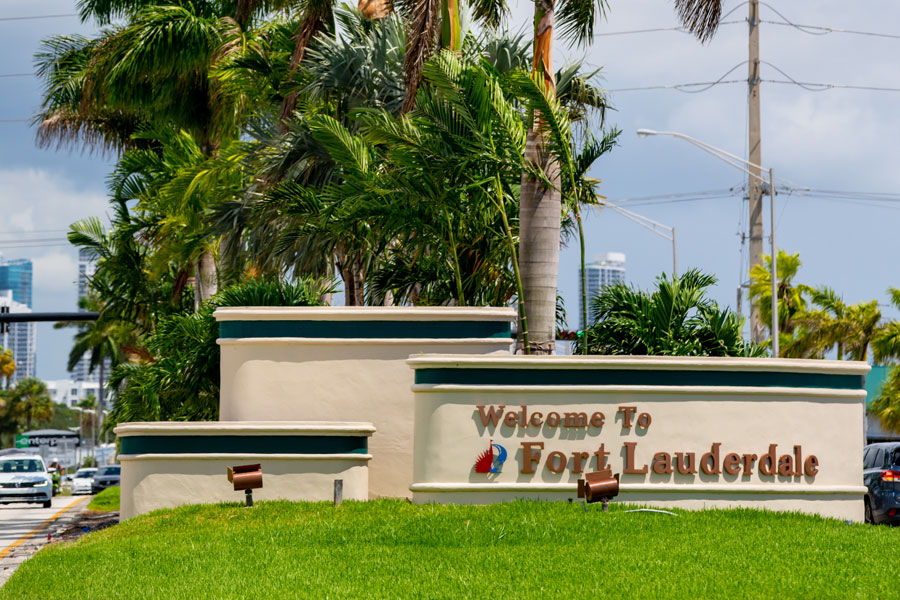
Situated on the southeast coast of Florida, Fort Lauderdale is the largest city in Broward County and is widely associated with beaches, inland waterways, tourism, and marine activity. Its extensive canal system has helped earn it the nickname “Venice of America,” while its location near the Atlantic Ocean and New River has long shaped the city’s character and development.

Fort Lauderdale developed from a coastal community into a major destination known for hospitality, boating, business activity, and international travel. Today it includes a mix of urban neighborhoods, waterfront districts, cultural attractions, and resort areas, giving the city a broad appeal that extends beyond its shoreline.
Things to Do and Local Highlights
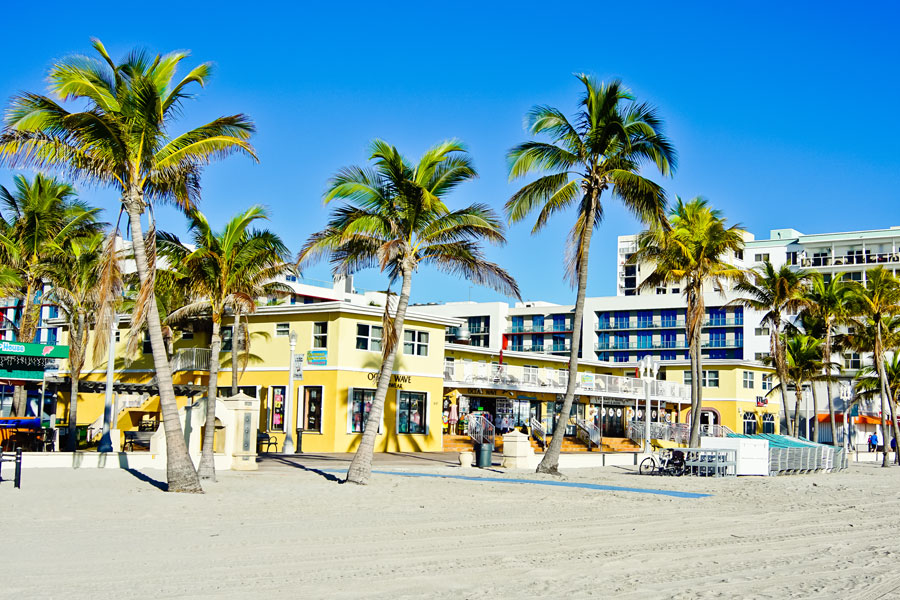
Fort Lauderdale offers a wide range of activities centered around its beaches, waterways, shopping districts, and entertainment areas. The city’s oceanfront is known for its palm-lined promenade, sandy shoreline, and year-round beach activity, while inland waterways support boating, sightseeing cruises, and waterfront dining.
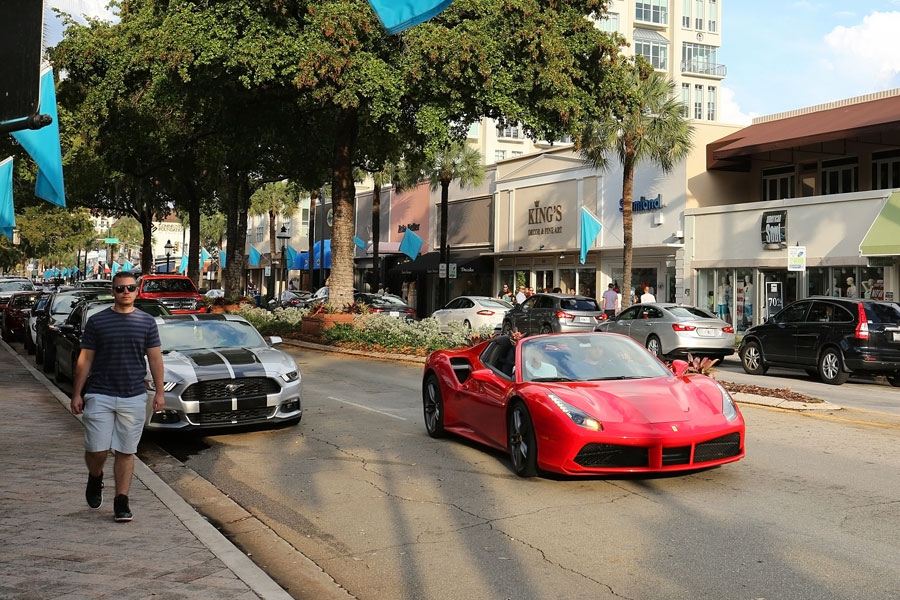
Las Olas Boulevard remains one of Fort Lauderdale’s best-known destinations, with shops, restaurants, galleries, and nightlife forming a lively commercial corridor near downtown. The Riverwalk Arts and Entertainment District adds theaters, museums, performance spaces, and public waterfront areas that help define the city’s cultural side.
Nearby coastal communities such as Hollywood, Deerfield Beach, and Dania Beach expand the region’s appeal with additional beaches, piers, waterfront parks, and oceanfront districts, all within reach of Fort Lauderdale.
Location Within South Florida
Fort Lauderdale is located in Broward County along Florida’s Atlantic coast, north of Miami and near other major South Florida destinations including Hollywood and Palm Beach County to the north. The city is connected by major highways, coastal roads, waterways, and nearby airports, helping support both tourism and regional business activity.
This location makes Fort Lauderdale a practical base for exploring South Florida’s beaches, downtown districts, nature areas, and cultural attractions, while still maintaining its own distinct identity as a waterfront city.
In addition to its beaches and commercial districts, Fort Lauderdale offers access to cultural venues, parks, and natural areas that add variety to the visitor experience. Its mix of urban activity, waterfront scenery, and regional connections helps make it one of South Florida’s most recognizable destinations.
Important Links (Suggest / Report)

Vicinity of Fort Lauderdale
Additional Details
Fort Lauderdale is home to a broad mix of industries, including marine services, hospitality, aviation, technology, and international business. Educational institutions and libraries also contribute to the area’s year-round activity and community life, while the city’s infrastructure supports both residents and a large visitor base.
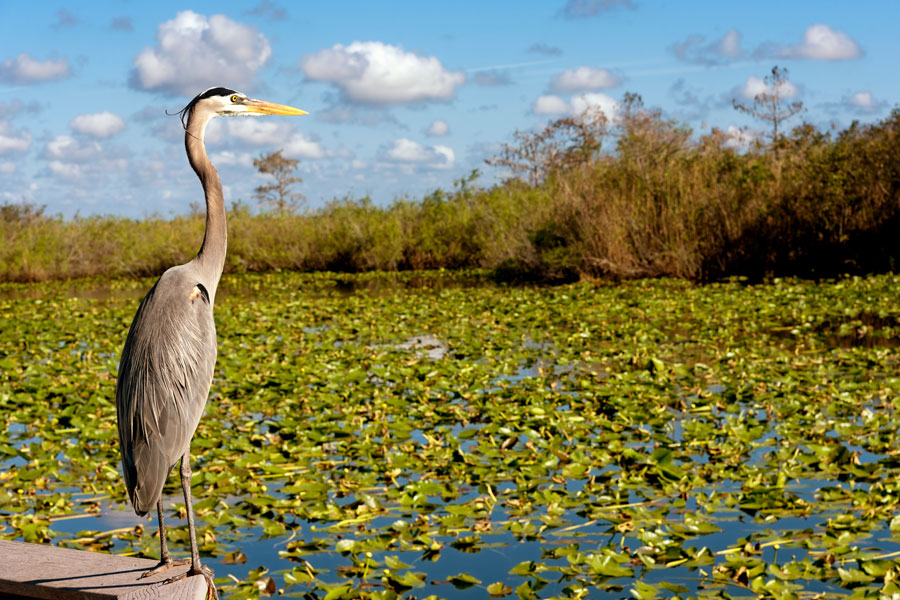
Nature-based outings remain an important part of the greater Fort Lauderdale experience. Visitors can explore wetlands, gardens, beaches, and wildlife areas throughout Broward County and nearby portions of the Everglades. Destinations such as Flamingo Gardens Botanical Gardens & Wildlife Sanctuary add another dimension to the area’s appeal for those interested in plants, animals, and outdoor scenery.
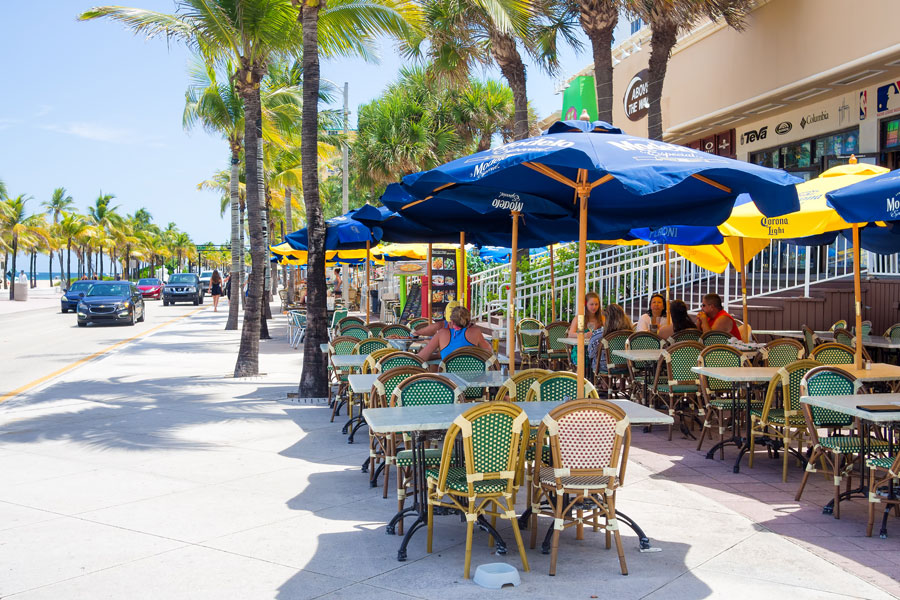
Dining remains a visible part of the city’s identity, with restaurants ranging from cafes and bistros to waterfront venues and nightlife districts. Fort Lauderdale continues to balance business activity, coastal recreation, cultural attractions, and quality-of-life appeal, giving it a broad role within the South Florida landscape.