Palm Bay, Florida
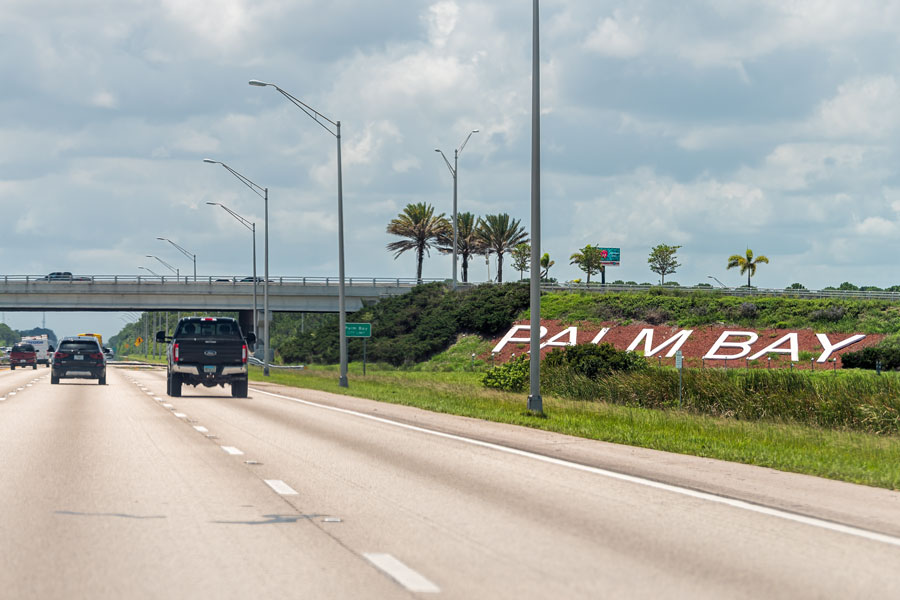
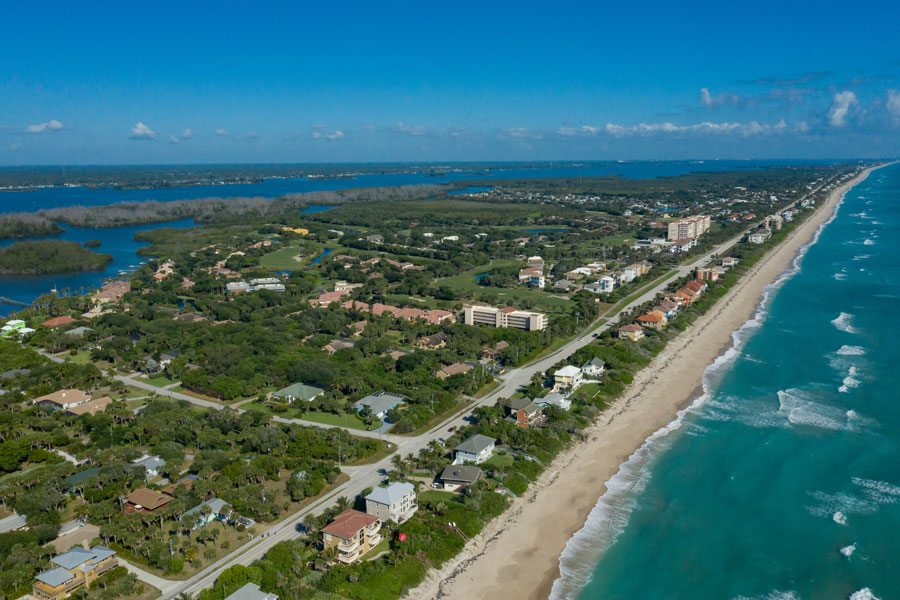
Palm Bay, in southern Brevard County on Florida’s Space Coast, is one of the county’s largest cities. Set on the mainland along the Indian River Lagoon and near Turkey Creek, Palm Bay blends established neighborhoods, nature preserves, boating access, and convenient day-trip access to Atlantic beaches and other Space Coast attractions. People have lived in this part of Florida for thousands of years, long before European settlement.
About the Community
By the 1850s, settlers were drawn to the natural resources and transportation advantages of the area around Turkey Creek. The early community, known as Tillman, developed through citrus growing, lumbering, and packing operations. The arrival of the railroad in the late nineteenth century helped connect the area to wider markets and encouraged additional growth.
In the 1920s, the community came to be known as Palm Bay, a reference to the bay at the mouth of Turkey Creek. Today, Palm Bay is closely associated with Turkey Creek Sanctuary, a roughly 130-acre natural area with boardwalks and trails through scrub and hammock habitats. Historic places such as St. Joseph’s Church remain part of the city’s story, while later twentieth-century development established Palm Bay as a major residential, commercial, and employment center on the Space Coast.
Important Links

Palm Bay offers activities for visitors throughout the year, including paddling, fishing, community events, local arts programming, youth and adult sports, and park-based recreation. The city also has specialty facilities such as a municipal paintball park. Hours, event schedules, launch conditions, and facility availability may vary by season and by date, so checking ahead is a good idea.
Vicinity of Palm Bay
Additional Details
Turkey Creek is a blackwater stream, with its dark tea-colored water created by natural tannins released from decaying vegetation. Turkey Creek Sanctuary and the Margaret Hames Nature Center are standout stops for nature lovers in Palm Bay. Programs, exhibits, and guided activities may vary, but the sanctuary is well known for environmental education, wildlife viewing, and access to both freshwater and estuarine habitats. Fish, wading birds, turtles, and, with luck, manatees or river otters may be seen in and around the creek.
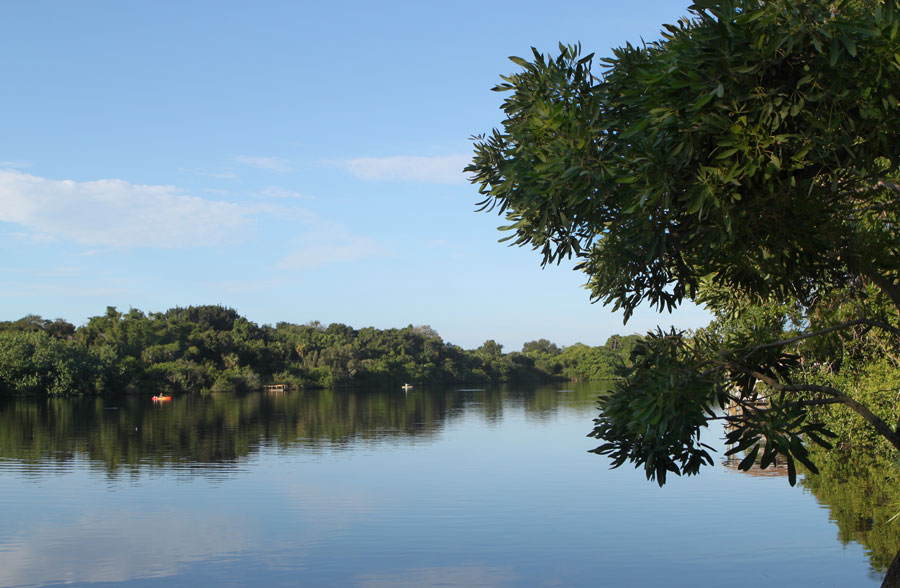
Birders may spot osprey, herons, egrets, ducks, ibis, and brown pelicans depending on season and water conditions. American white pelicans are winter visitors in Florida, and songbirds such as cardinals, mockingbirds, Carolina wrens, and blue jays are common in the area. With luck, visitors may also glimpse a bald eagle or wild turkey. Enjoy the views from the boardwalk or explore the trails and fitness stations for a closer look at the sanctuary.
The plant community includes live and laurel oaks, red maple, sugarberry, sabal palm, and scrub vegetation characteristic of east-central Florida. Wildlife in and around the sanctuary may include gopher tortoises, raccoons, opossums, native snakes, and other Florida species. Stay on marked paths, watch your surroundings, and give wildlife plenty of space.