Indian River Lagoon
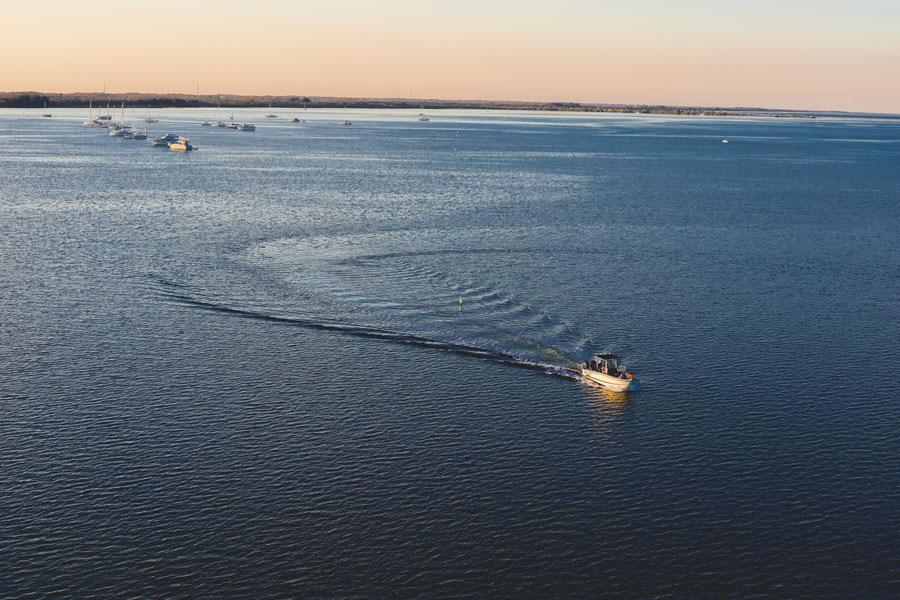
The Indian River Lagoon (IRL) is a roughly 156-mile estuary system along Florida’s Atlantic Coast, formed by connected waters that include Mosquito Lagoon, the Banana River, and the Indian River. Stretching through several east coast counties, it is widely recognized as one of North America’s most biologically diverse estuaries. Its network of lagoons, tributaries, marshes, mangroves, and seagrass habitats makes the IRL an important resource for wildlife, recreation, education, and conservation.
A Biodiversity Hotspot
- Ecological Importance:
- The Indian River Lagoon supports more than 4,000 documented species of plants and animals, including numerous species that are protected, threatened, or endangered.
- This estuary includes mangrove forests, seagrass beds, salt marshes, oyster bars, and shoreline habitats that are essential to coastal health.
- Marine Life:
- The lagoon functions as a nursery for fish, shrimp, and crabs, making it a key breeding and feeding area for many marine species.
- Manatees, bottlenose dolphins, sea turtles, and a variety of sport fish depend on the lagoon’s sheltered waters and habitat mosaic.
- Birdwatching Haven:
- Hundreds of bird species can be seen in and around the lagoon, including pelicans, herons, egrets, roseate spoonbills, ospreys, and migratory shorebirds.
Recreation and Activities
- Boating and Kayaking:
- The lagoon’s generally sheltered waters make it popular for boating, kayaking, canoeing, and paddleboarding.
- Visitors can explore mangrove shorelines, open-water flats, islands, and scenic paddling trails, with conditions varying by wind, tide, and location.
- Fishing:
- The lagoon is a well-known inshore fishery for species such as redfish, snook, spotted seatrout, and tarpon.
- Both DIY anglers and guided charters use the lagoon, but seasons, size limits, and regulations can change, so check current Florida rules before fishing.
- Wildlife Observation:
- Boat tours, paddling trips, wildlife drives, and shoreline parks offer opportunities to spot dolphins, manatees, wading birds, and other native species in their natural habitat.
- Shoreline Access and Water Activities:
- Many parks and preserves along the lagoon provide launch points, fishing piers, boardwalks, and shoreline viewing areas. Water clarity, boat traffic, wildlife activity, and local advisories vary, so check conditions before wading, swimming, or planning any in-water activity.
Educational and Cultural Significance
- Research and Conservation:
- The lagoon is a major focus of scientific research, with the Indian River Lagoon National Estuary Program, universities, marine laboratories, and local partners working to better understand and restore this ecosystem.
- Cultural Heritage:
- The lagoon has long shaped life on Florida’s east coast, from Indigenous communities and early settlements to modern boating, fishing, and waterfront tourism.
- Nature Centers and Aquariums:
- Facilities such as the Smithsonian Marine Ecosystems Exhibit in Fort Pierce and other regional nature centers help interpret the lagoon’s ecology, wildlife, and ongoing restoration efforts.
Conservation Challenges
- Environmental Threats: The Indian River Lagoon continues to face pressure from nutrient pollution, habitat loss, stormwater runoff, and periodic harmful algal blooms.
- Restoration Efforts: Local, state, and regional partners support projects such as seagrass recovery, oyster and shoreline restoration, water-quality improvement, and public education.
- Community Involvement: Citizen science, shoreline cleanups, educational events, and volunteer monitoring programs give residents and visitors ways to help protect the lagoon.
Vicinity of the Lagoon
Nearby Attractions
- Merritt Island National Wildlife Refuge: Near Cape Canaveral, this refuge offers scenic drives, hiking trails, birdwatching, and excellent opportunities to experience native Florida habitats.
- McKee Botanical Garden: This lush Vero Beach oasis features tropical plantings, waterlily-filled ponds, and historic charm in a tranquil setting.
- Vero Beach: A scenic coastal city with lagoon access, waterfront parks, eco-tour options, and easy access to nearby beaches and dining.
Visitor Tips
- Bring Binoculars: Wildlife can appear at a distance, so binoculars are especially useful for birdwatching and spotting dolphins or manatees.
- Use Eco-Friendly Practices: Follow Leave No Trace principles, stay on marked paths where provided, and avoid disturbing seagrass beds or nesting areas.
- Prepare for Sun and Bugs: Sunscreen, a hat, sunglasses, water, and insect repellent can make a big difference, especially in warmer months.
- Check Conditions Before Launching: Weather, wind, tides, water quality advisories, and seasonal wildlife protections can affect paddling, boating, and fishing plans.
- Respect Wildlife and Slow-Speed Zones: Give manatees, birds, and other animals plenty of space, and follow all posted boating and no-wake rules.
Visitor Information
- Access Points: There is no single entrance to the Indian River Lagoon. Visitors typically access it through public parks, boat ramps, wildlife refuges, preserves, marinas, and waterfront communities along the route.
- Best Time to Visit: Early morning and late afternoon are often best for wildlife viewing, photography, and avoiding the strongest midday heat.
- Hours and Fees: Hours, launch availability, and entry fees vary by park, refuge, preserve, or tour operator. Check the specific site you plan to visit before you go.
- Official Information: For lagoon-wide education and conservation information, visit the Indian River Lagoon National Estuary Program. For site-specific details, use the managing park, refuge, or city access page.
Why Visit the Indian River Lagoon?
The Indian River Lagoon showcases a wilder, more ecological side of Florida. Whether you want to paddle quiet backwaters, watch birds from a boardwalk, photograph manatees, or learn more about coastal restoration, the lagoon offers a rewarding experience rooted in nature. Its combination of biodiversity, scenic beauty, and year-round outdoor access makes it one of the state’s most distinctive coastal destinations.
For official lagoon-wide information, visit the Indian River Lagoon National Estuary Program