Pelican Island National Wildlife Refuge
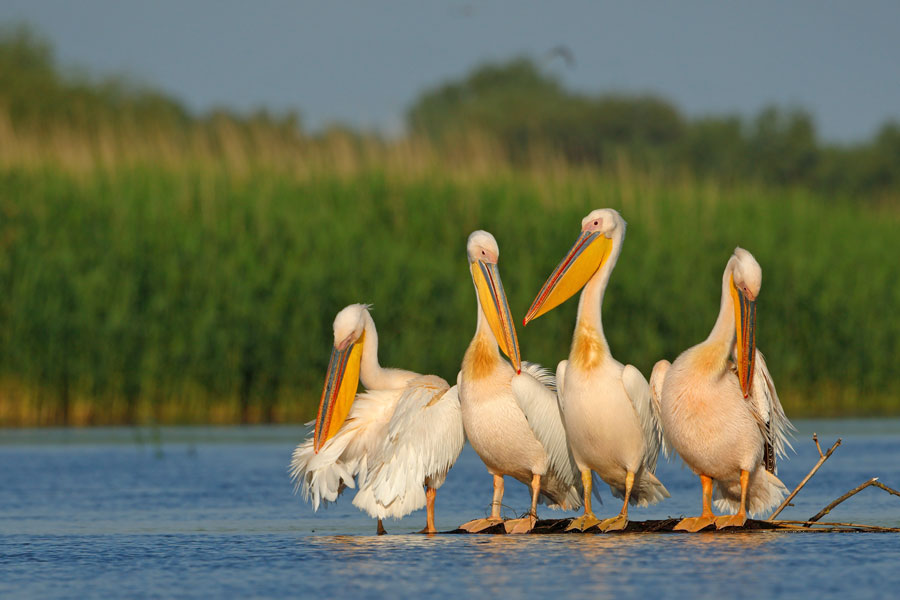
Located along Florida’s scenic Indian River Lagoon near Sebastian in Indian River County, Pelican Island National Wildlife Refuge holds the distinction of being America’s first national wildlife refuge, established in 1903 by President Theodore Roosevelt. Spanning more than 5,400 acres of islands, mangrove shoreline, marsh, and lagoon waters, this ecological treasure protects a remarkable diversity of wildlife and coastal habitats. Today, Pelican Island remains a standout destination for birdwatching, hiking, photography, and environmental education, with public-use areas that offer peaceful views into one of Florida’s most important protected landscapes. Hours, trail conditions, and access details may vary by date, so it is wise to check the official refuge page before visiting.
Things to Do at Pelican Island National Wildlife Refuge
- View Historic Pelican Island
Pelican Island is the heart of the refuge, protecting vital habitat for native and migratory birds:- The island supports nesting and roosting habitat for species such as brown pelicans, egrets, herons, roseate spoonbills, and wood storks.
- Most visitors experience Pelican Island from designated overlooks, trails, and observation platforms rather than by going onto the island itself.
- Interpretive signs along the public-use areas highlight the island’s history, ecological importance, and the beginnings of the National Wildlife Refuge System.
- Birdwatching
A paradise for bird enthusiasts, the refuge offers excellent opportunities to observe native and migratory species:- Look for pelicans, ospreys, bald eagles, anhingas, cormorants, wading birds, and seasonal migrants depending on the time of year.
- The refuge is part of the Great Florida Birding Trail, making it a favorite stop for birders exploring Florida’s east coast.
- Bring binoculars and consider visiting in the cooler morning or late-afternoon hours, when wildlife activity is often best.
- Hiking the Trails
Explore scenic trails that wind through the refuge’s diverse coastal habitats:- Centennial Trail: This roughly 3/4-mile boardwalk and trail route leads to an observation tower overlooking Pelican Island and the surrounding lagoon. Interpretive panels along the path provide insight into the refuge’s history and wildlife.
- Joe Michael Memorial Trail: A longer trail through oak hammock and coastal habitats that offers a quieter hiking experience and more chances to spot birds and other wildlife.
- Wildlife Viewing Areas: Platforms, benches, and overlooks along the trails make it easy to pause and take in the scenery.
- Wildlife Viewing
Beyond its iconic birdlife, the refuge is home to a variety of other wild residents:- Keep an eye on the lagoon for dolphins and, in season, manatees.
- You may also spot gopher tortoises, rabbits, butterflies, and various reptiles in upland and trail areas.
- The wetlands and tidal flats support fish, crabs, and other small creatures that help sustain the refuge’s larger food web.
- Kayaking and Paddling
The waters around the refuge can be rewarding for paddlers who want a different perspective on the Indian River Lagoon:- Use nearby public launch points in the lagoon area to explore surrounding waters, since on-site launch options and access rules may be limited.
- Paddling conditions, tides, weather, and wildlife protection zones can affect your outing, so plan ahead and follow posted regulations.
- Local outfitters and guides may offer tours that help visitors better understand the lagoon’s ecology and sensitive habitats.
- Photography
Pelican Island National Wildlife Refuge is an excellent location for nature photographers:- Capture images of wading birds, raptors, marsh views, mangroves, and changing light over the lagoon.
- The boardwalk, overlooks, and observation tower provide some of the best vantage points for photographing Pelican Island and its surrounding habitats.
Additional Activities
- Educational Programs
The refuge offers opportunities to learn about wildlife conservation and its historical significance:- Self-guided trails and interpretive displays explain local habitats, birdlife, and the refuge’s role in American conservation history.
- Seasonal talks, special events, or partner-led programs may be offered at various times of year; check the official refuge website for current listings.
- Picnicking
A simple snack or picnic can pair well with a refuge visit, but amenities are limited. Use designated public areas where permitted, follow posted rules, and pack out all trash. - Volunteering and Conservation Efforts
Visitors interested in stewardship may find volunteer opportunities connected to habitat restoration, education, and refuge support through the U.S. Fish & Wildlife Service or partner organizations.
Amenities & Facilities
- Trails and Boardwalks: Public-use areas include boardwalks and trails with interpretive signs, scenic views, and wildlife observation points.
- Observation Tower and Viewing Platforms: Elevated viewing areas provide broad views of Pelican Island and the Indian River Lagoon.
- Parking: Free parking is generally available at the main public access areas.
- Interpretive Signage: Informational panels help visitors understand the refuge’s wildlife, habitats, and history.
- Restrooms: Restroom availability may be limited or vary by area, so check current visitor information before you go.
Accessibility
Pelican Island National Wildlife Refuge includes visitor areas that can be enjoyed by many travelers, but accessibility can vary by trail surface, maintenance conditions, and current site operations.
- Boardwalk Trails: Portions of the Centennial Trail are generally the most wheelchair- and stroller-friendly route to scenic overlooks.
- Parking: Accessible parking may be available near main visitor-use areas.
- Viewing Areas: Some platforms and overlooks are designed to make wildlife viewing easier, though features can vary by location.
Tips for Visiting the National Wildlife Refuge
- Check Hours and Conditions: Refuge hours, trail access, and wildlife-related closures can vary by date and season.
- Bring Binoculars and Cameras: These are especially helpful for birdwatching and wildlife photography.
- Visit During Cooler Hours: Early morning and late afternoon often bring better wildlife activity and more comfortable temperatures.
- Dress for the Outdoors: Wear lightweight clothing, sturdy shoes, sunscreen, insect repellent, and a hat.
- Stay Hydrated: Bring water, as on-site services are limited.
- Respect Wildlife: Observe animals from a safe distance, stay on marked trails, and avoid disturbing nesting or feeding areas.
- Time Your Visit for Birding: Winter and spring are especially popular for migratory birds, though wildlife viewing can be rewarding year-round.
Vicinity of Pelican Island
Nearby Attractions
- Sebastian Inlet State Park: Known for excellent fishing, surfing, paddling, and beach access.
- Environmental Learning Center: A hands-on nature center focused on the ecosystems of the Indian River Lagoon.
- Vero Beach: A charming coastal destination with beaches, shops, restaurants, and lodging.
- McLarty Treasure Museum: Explore the history of Florida’s Treasure Coast and famous shipwreck stories nearby.
Why Visit Pelican Island National Wildlife Refuge?
As America’s first national wildlife refuge, Pelican Island National Wildlife Refuge remains one of Florida’s most meaningful places to experience conservation in action. Its quiet trails, sweeping lagoon views, and extraordinary birdlife offer a rewarding look at the natural beauty of the Indian River Lagoon. Whether you come for birdwatching, hiking, photography, or simply a peaceful walk through protected habitat, Pelican Island delivers a memorable and educational escape into Florida’s wild side.
For current hours, trail conditions, seasonal advisories, and visitor information, visit the official website: https://www.fws.gov/refuge/pelican-island