Alligator Reef Lighthouse
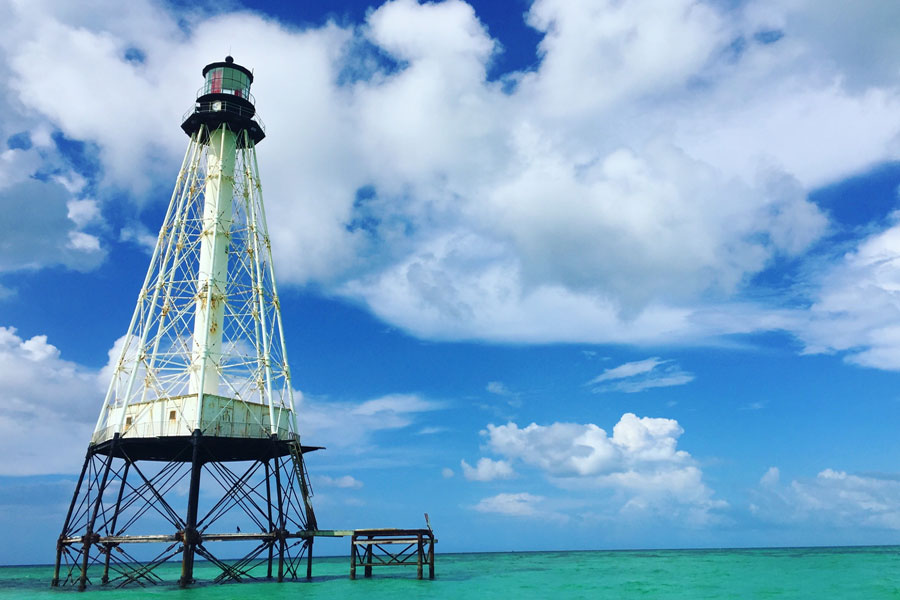
Located about four nautical miles offshore from Islamorada, Alligator Reef Lighthouse is one of the most recognizable historic structures in the Florida Keys. Completed in 1873, the iron lighthouse was named for the USS Alligator, a naval schooner that ran aground on the reef in 1822 while serving in anti-piracy operations. Today, the lighthouse stands above waters within the Florida Keys National Marine Sanctuary, where boating, snorkeling, diving, and wildlife viewing remain popular. Because the site is offshore, conditions can change quickly, so most visits are best planned through a local charter or an experienced private boating trip.
Things to Do at Alligator Reef Lighthouse
- Snorkeling and Diving
The reef area around Alligator Reef Lighthouse is known for clear water and colorful marine life:- Explore coral habitat within the Florida Keys National Marine Sanctuary.
- Look for tropical fish, rays, sea turtles, and other marine species in conditions that often reward both snorkelers and divers.
- Use mooring buoys when available and avoid touching coral or disturbing wildlife.
- Wildlife Watching
The surrounding waters support a wide range of marine and bird life:- Watch for parrotfish, angelfish, sergeant majors, and other reef species moving through the coral.
- Larger fish such as barracuda and tarpon may also be seen in the area.
- Seabirds are sometimes spotted resting on or circling near the lighthouse structure.
- Boating and Paddling Views
Many visitors enjoy the lighthouse as a scenic offshore landmark:- Take a boat trip for up-close views of the tower and the surrounding reef waters.
- Experienced paddlers may view the area on calm-weather outings, but most visitors reach the lighthouse more safely by motorboat or charter.
- Photography
The lighthouse’s skeletal iron design and bright blue-green water make it especially photogenic:- Photograph the structure from a boat during morning or late-afternoon light.
- Underwater photographers may find excellent subjects in the reef habitat when visibility is good.
- Fishing Nearby
Fishing opportunities exist in surrounding Florida Keys waters, but rules can be highly specific:- Check current Florida Fish and Wildlife Conservation Commission and sanctuary regulations before fishing near the reef.
- Local captains can help visitors understand seasonal patterns, permitted areas, and current restrictions.
Historical Significance
Alligator Reef Lighthouse is closely tied to the maritime history of the Florida Keys:
- It was named after the USS Alligator, a naval schooner that grounded on the reef in 1822.
- The lighthouse was constructed to warn ships away from the dangerous reef line that caused numerous wrecks in the Keys.
- Its iron skeletal design and screw-pile foundation reflected advanced offshore engineering for the late 19th century.
Preservation and Conservation
Because the reef lies within the Florida Keys National Marine Sanctuary, visitors should expect protected-resource rules designed to help preserve both the reef and the historic setting:
- Boating, snorkeling, and diving are popular here, but visitors should follow current sanctuary guidance and posted regulations.
- Use mooring buoys rather than anchoring when available to help protect living coral.
- Do not remove coral, marine life, or historic material from the area.
Amenities & Facilities
Alligator Reef Lighthouse is an offshore destination, so there are no visitor facilities at the site itself. Plan ahead before leaving shore.
- No On-Site Services: There are no restrooms, concessions, shade structures, or staffed facilities at the lighthouse.
- Boat Rentals and Charters: Local marinas and charter operators in Islamorada may offer trips, depending on weather and availability.
- Snorkel and Dive Support: Outfitters in the Upper Keys can help with gear, guides, and current water-condition advice.
Accessibility
The lighthouse is accessible only by water, and a visit requires advance planning:
- Boat Access Only: Most visitors arrive by charter, tour boat, or private vessel.
- No Standard Public Entry to the Tower: Visitors should not assume climbing or landing access is available on the lighthouse structure.
- Weather Matters: Wind, waves, and visibility can affect both safety and comfort, so trip plans may change with conditions.
Tips for Visiting the Lighthouse
- Check Marine Conditions First: Calm seas and good visibility usually make for the best experience.
- Bring Sun Protection: Pack protective clothing, a hat, sunglasses, and sunscreen suited for marine environments.
- Carry Essentials: Bring drinking water, snacks, towels, and a dry bag for valuables.
- Respect the Reef: Avoid standing on coral, chasing wildlife, or leaving trash in the water.
- Book Ahead: Charters and guided reef trips can fill up during busy travel periods.
Vicinity of the Lighthouse
Nearby Attractions
- Robbie’s of Islamorada: Feed tarpon, browse shops, book watersports, or enjoy waterfront dining.
- Theater of the Sea: A long-running marine park with animal encounters and family-friendly programs.
- Indian Key Historic State Park: A scenic island park popular for paddling, history, and self-guided exploration.
- Lignumvitae Key Botanical State Park: Known for its preserved tropical hardwood hammock and natural setting.
Why Visit Alligator Reef Lighthouse?
Alligator Reef Lighthouse offers a memorable blend of Florida Keys history, open-water scenery, and reef-based recreation. Its offshore setting makes every visit feel like an adventure, while the surrounding sanctuary waters give snorkelers, divers, and boaters a chance to experience one of Islamorada’s signature landmarks from a unique perspective. If you are exploring the Florida Keys and want a destination that feels both scenic and storied, this is a standout stop.
For sanctuary rules, reef etiquette, and boating information, visit the Florida Keys National Marine Sanctuary: https://floridakeys.noaa.gov/