Beaches, Safety, and What to Know
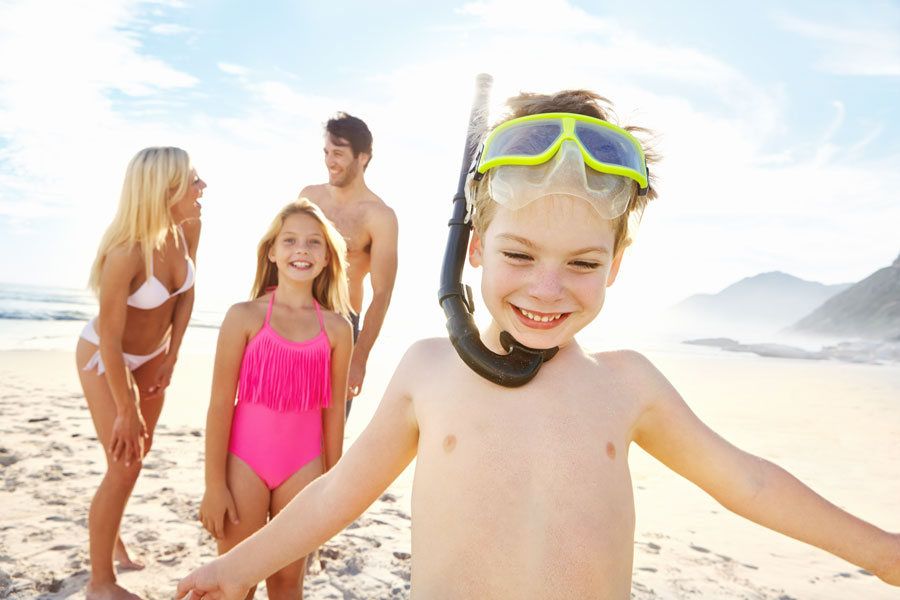
Florida is one of the best places in the country for swimming, offering everything from world-famous beaches and calm Gulf waters to Atlantic surf, freshwater springs, and resort-style pools. But not all swimming conditions are the same. Where you swim, when you go, and how aware you are of local conditions can make a major difference in both safety and enjoyment.
This section of FloridaVisiting.com is designed to help you understand swimming conditions across the state, from ocean safety and wildlife awareness to water quality and seasonal timing. Whether you are planning a beach day, visiting with family, or just want to better understand Florida waters, these guides will help you make smarter decisions before getting in.
Start Here: Florida Swimming Safety
If you are new to swimming in Florida, this is the most important place to begin. Our main safety guide explains the biggest real-world risks, what matters most at the beach, and how to approach both ocean and freshwater swimming with confidence.
Is It Safe to Swim in Florida? Full Safety Guide
Ocean Swimming Risks
Florida’s ocean beaches are beautiful, but conditions can change quickly. Waves, currents, and marine life all play a role in how safe the water is on any given day. These guides focus on the most important ocean-related concerns.
Freshwater Swimming in Florida
Swimming in lakes, canals, and inland water requires a different mindset than the ocean. Calm water does not always mean safe water, and understanding where it is appropriate to swim is critical.
Water Conditions and Health
Not every swimming risk is visible. Water quality, bacteria levels, and environmental conditions can affect whether it is a good idea to enter the water at all.
Planning Your Swim
Choosing the right beach and the right time can make a big difference in your experience. These guides help you find more swim-friendly locations and understand when conditions are typically most enjoyable.
What Most People Get Wrong About Swimming in Florida
Many visitors focus on the wrong risks. Sharks and alligators get the most attention, but the more common issues are often rip currents, weather, surf conditions, and water quality. The safest swimmers are not the most fearless. They are the most aware.
Florida rewards people who take a moment to look at conditions, read posted warnings, and choose their swimming locations carefully. For a complete breakdown of what to watch for, see our Florida swimming safety guide.
Key Facts and Details
| Topic | Details |
|---|---|
| Main Focus | This section covers swimming conditions, safety, and planning across Florida beaches and waterways. |
| Most Important Page | The Florida Swimming Safety guide is the central resource for understanding risks and best practices. |
| Ocean Risks | Rip currents, surf conditions, and marine life are the main ocean-related concerns. |
| Freshwater Risks | Alligators and unclear swimming areas are the primary inland concerns. |
| Hidden Risk | Water quality issues such as bacteria and algal blooms can affect safety even when water looks clean. |
| Best Planning Tip | Choose beaches with lifeguards and check conditions before entering the water. |
| Seasonal Factor | Spring and early summer are often the most comfortable times for swimming, but conditions vary year-round. |
Overall Takeaway
Swimming in Florida can be one of the best parts of any trip, but it comes with a responsibility to understand the environment. By choosing the right locations, paying attention to conditions, and using the guides in this section, you can enjoy Florida’s water safely and confidently. A little awareness goes a long way in turning a good beach day into a great one.