Florida Water Quality and Swimming Advisories
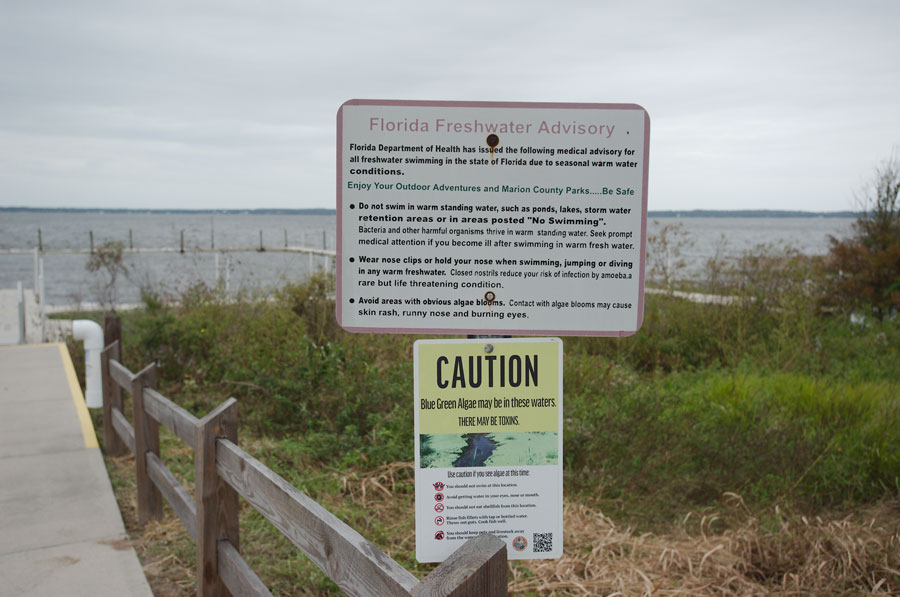
Water can look clean and still be a bad choice for swimming. In Florida, one of the most overlooked swimming risks is water quality, especially after heavy rain, during algae events, or when health advisories have been posted. A beach or shoreline may appear calm and inviting, but bacteria, runoff, or bloom-related irritants can change whether getting in the water is a smart idea.
This matters in both saltwater and freshwater, though the issues are not always the same. Coastal swimmers may hear about beach advisories, enterococci testing, or red tide conditions, while inland swimmers may need to think more about blue-green algae, stagnant water, or unmonitored freshwater. For the broader picture, see our Florida swimming safety guide.
Why Water Quality Matters
Swimming safety is not only about waves, currents, or wildlife. Water quality can affect whether the water is suitable for recreation at all. High bacteria levels can increase the risk of illness, while harmful algal blooms can create respiratory irritation and skin issues.
This is one reason swimmers should not judge safety by appearance alone. Water that looks normal from the shoreline may still be under an advisory, while discolored, scummy, or foul-smelling water should generally be avoided.
What Is a Swimming Advisory?
A swimming advisory means health officials have identified water quality concerns that make swimming a poor choice at that location. These advisories are often based on testing, not just appearance.
If signs are posted or an advisory is active, the safer choice is to stay out of the water.
What Causes Water Quality Problems?
- Heavy rain and stormwater runoff
- Elevated bacteria levels
- Waste from animals or birds
- Poor circulation near inlets or canals
- Red tide in coastal areas
- Blue-green algae in freshwater
After rainfall, runoff can carry contaminants into the water, which is one reason conditions may change quickly even if the beach looked fine a day earlier.
Red Tide and Coastal Swimming
Red tide is a major Florida-specific concern in coastal areas. It can irritate the eyes and throat and may cause fish kills, even when the water still looks swimmable at a glance.
Freshwater Algae and Blue-Green Algae
Freshwater brings a different set of concerns. Harmful algal blooms can affect lakes, rivers, and canals. Water that appears bright green, discolored, or foul-smelling should be avoided.
This is especially important in areas where wildlife may also be present, including freshwater environments where alligators live.
When Should You Be Most Careful?
- After heavy rain
- When advisories are posted
- When water looks discolored or smells bad
- When fish kills are present
- During red tide conditions
- At unfamiliar freshwater locations
How To Check Conditions Before Swimming
- Check posted warnings
- Look up local beach conditions
- Avoid water after heavy rain
- Avoid visible bloom conditions
- Ask lifeguards if unsure
Water Quality vs. Other Swimming Risks
Water quality is one part of the larger Florida swimming picture. A beach may look calm and safe but still be a poor choice because of bacteria or bloom conditions. That is why good decisions come from looking at the full situation.
- Is It Safe to Swim in Florida?
- Rip Currents in Florida
- Are There Sharks at Florida Beaches?
- Alligators in Florida Waterways
- Safest Beaches for Swimming
- Most Dangerous Beaches
Overall Takeaway
Water quality is one of the easiest Florida swimming risks to overlook because you cannot always judge it by sight. The smartest swimmers check conditions before entering the water and avoid any shoreline that looks questionable after rain or during bloom activity.