Safest Beaches in Florida for Swimming
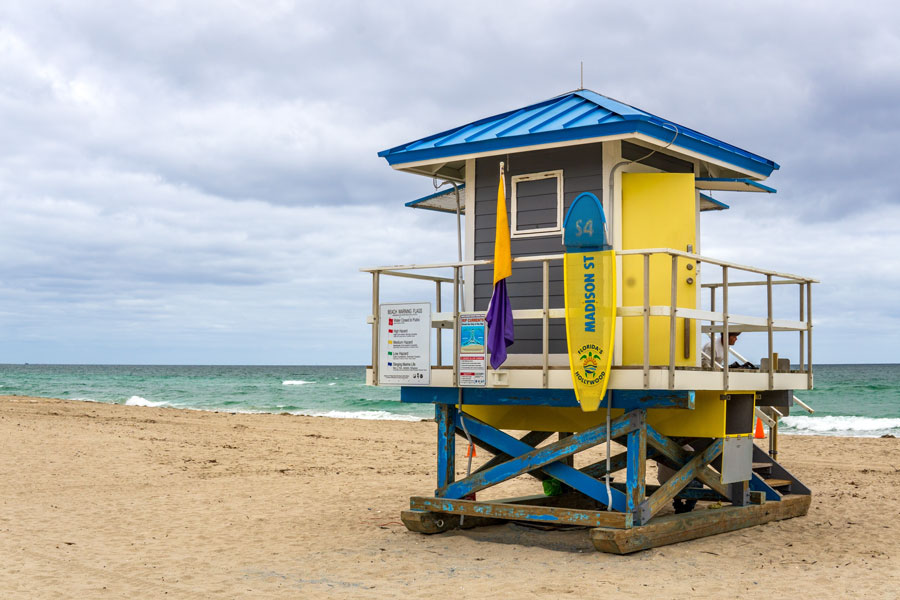
Florida is home to some of the most popular beaches in the country, and many of them are perfectly safe for swimming under the right conditions. The key is understanding that not all beaches are the same. Some are better suited for swimming because of calmer water, consistent lifeguard presence, gentle entry, and well-managed public access, while others may have stronger surf, rip current activity, or fewer safety resources.
This guide focuses on what actually makes a beach safer for swimming, along with examples of well-known Florida beaches that are often considered more swim-friendly. For a full breakdown of ocean risks, freshwater concerns, and seasonal conditions, see our Florida swimming safety guide.
What Makes a Beach Safer for Swimming?
There is no such thing as a completely risk-free beach, but certain characteristics tend to make swimming conditions more manageable and predictable:
- Regular lifeguard presence
- Gentle wave conditions and smaller surf
- Gradual, shallow entry into the water
- Clearly marked swimming areas
- Consistent beach maintenance and monitoring
- Active public use with visible safety systems
Beaches that combine these factors are generally better choices for families, casual swimmers, and visitors unfamiliar with ocean conditions.
Gulf Coast vs. Atlantic Coast
One of the biggest differences in Florida swimming conditions comes down to geography. Gulf Coast beaches are often known for calmer, shallower water, while Atlantic Coast beaches tend to have stronger surf and more consistent wave activity.
This does not mean one side is always “safe” and the other is not. Conditions change daily. However, for many visitors, Gulf beaches can feel easier for swimming, especially for families or less experienced swimmers.
Examples of Safer Beaches in Florida
Clearwater Beach
Clearwater Beach is one of Florida’s most well-known swimming destinations, often noted for its wide shoreline, relatively gentle Gulf waters, and active public safety presence. The beach is heavily maintained and frequently monitored, making it a popular choice for families and visitors looking for a more predictable environment.
Siesta Key Beach
Siesta Key Beach is known for its soft sand, shallow entry, and typically calmer water conditions along the Gulf Coast. Its wide layout and strong public amenities make it one of the more accessible beaches for swimming and general recreation.
Fort De Soto Park (North Beach)
Fort De Soto’s North Beach area is often described as one of the more relaxed and manageable beach environments, with shallower water and natural protection from stronger surf in certain areas. The park setting also adds controlled access and maintained facilities.
Naples Beach
Naples Beach is another Gulf Coast option that is often associated with calmer water conditions. Its gradual slope and typically gentle surf make it appealing for casual swimming, though conditions should always be checked before entering the water.
Delray Beach
On the Atlantic side, Delray Beach is known for its maintained public beach access and lifeguard coverage. While Atlantic beaches can have stronger surf, monitored areas with active safety systems can still provide a good swimming environment when conditions are favorable.
Hollywood Beach
Hollywood Beach combines a well-developed public beachfront with consistent activity and monitoring. While conditions vary, its maintained shoreline and accessible layout make it a popular option for swimmers.
Beaches That Require More Caution
Some beaches are better known for stronger surf, changing sandbars, or more active wave conditions. These are not necessarily unsafe, but they may require more experience, awareness, and attention to conditions. Beaches without lifeguards, remote shorelines, or areas with limited public oversight should also be approached more carefully.
Read more: Most Dangerous Beaches in Florida
Conditions Still Matter – Even at Safer Beaches
No beach is always safe. Weather, tides, wind, and recent conditions can change the water quickly. A beach that feels calm one day can have rough surf, strong currents, or poor water quality the next.
Before swimming, always:
- Check beach flags and posted warnings
- Look at surf conditions and wave patterns
- Be aware of weather, especially approaching storms
- Avoid the water if conditions look rough or unclear
Choosing the right beach is only part of the decision. Choosing the right moment matters just as much.
Best Beaches for Families
Families often benefit from beaches with calmer water, gradual entry, lifeguards, and easy access to facilities. Gulf Coast beaches are often preferred for this reason, but any beach with active monitoring and favorable conditions can be a good option.
Regardless of location, children should always be closely supervised, especially when waves increase or when crowds make visibility more difficult.
Safer Beaches vs. Overall Swimming Safety
Even the most swim-friendly beach still requires awareness of broader safety factors. Rip currents, water quality, lightning, and wildlife are all part of the Florida experience. The safest swimmers are the ones who look at the full picture rather than relying on reputation alone.
- Is It Safe to Swim in Florida?
- Rip Currents in Florida
- Are There Sharks at Florida Beaches?
- Alligators in Florida Waterways
- Florida Water Quality and Swimming Advisories
Key Facts and Details
| Topic | Details |
|---|---|
| Safest Beach Type | Beaches with lifeguards, gentle surf, and clearly marked swimming areas are generally safer choices. |
| Gulf Coast Advantage | Often known for calmer, shallower water that can be more manageable for swimmers. |
| Atlantic Coast Factor | Typically has stronger surf and requires more awareness of wave and current conditions. |
| Most Important Feature | Lifeguard presence significantly improves safety. |
| Common Mistake | Assuming a beach is safe at all times based on reputation alone. |
| Family-Friendly Traits | Shallow entry, calm water, wide beaches, and active monitoring. |
| Ongoing Risk | Conditions such as weather, rip currents, and water quality can change daily. |
| Best Habit | Check flags, conditions, and advisories before entering the water. |
Overall Takeaway
Florida offers many excellent beaches for swimming, but the safest choice is always a combination of location and conditions. Beaches with lifeguards, calmer water, and strong public access systems tend to offer a more comfortable environment, especially for visitors. Still, the most important factor is awareness. A well-known beach can still be unsafe on the wrong day, while a good decision at the right time can make any beach a great experience.