Southwest Florida
Southwest Florida is a Gulf Coast region of barrier islands, sandy beaches, mangrove-lined waterways, historic riverfronts and subtropical wildlife habitats. From the waterfront streets of Fort Myers and the canals of Cape Coral to the beaches of Naples, Sanibel and Marco Island, visitors find a combination of coastal relaxation, boating, nature, dining and distinctive local communities.
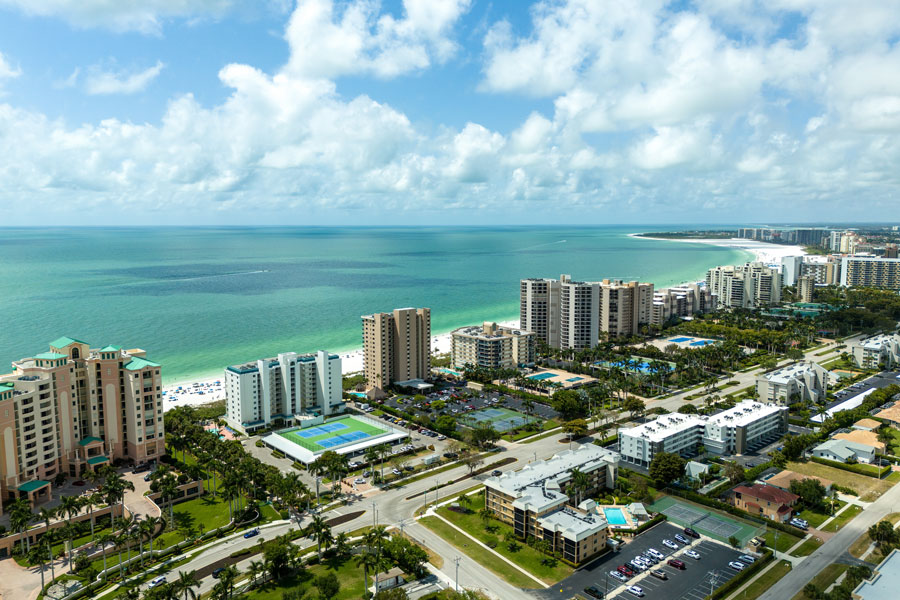
The region offers more than a traditional beach vacation. Inland rivers and wetlands, preserved coastal habitats, museums, gardens and historic towns provide opportunities to explore at a slower pace. Travelers can combine time along the Gulf with nature excursions near Everglades City, harborfront dining in Punta Gorda and cultural attractions in Fort Myers.
Where Is Southwest Florida?
Southwest Florida occupies the lower Gulf Coast of the Florida peninsula, generally centered on Lee, Collier and Charlotte counties, with connections to nearby inland communities. Its principal destinations include Fort Myers, Cape Coral, Naples, Bonita Springs, Sanibel, Marco Island, Punta Gorda and Port Charlotte. The landscape changes from developed coastal cities and barrier islands to pine flatwoods, agricultural lands, estuaries and the northern reaches of the Everglades.
The Gulf of Mexico defines much of the region’s character, but rivers and bays are just as important. The Caloosahatchee River connects inland communities with the Fort Myers waterfront, while Charlotte Harbor, Estero Bay and the Ten Thousand Islands support rich marine habitats. Farther north, the coast continues toward Sarasota and the broader Gulf Coast of Florida.
Fort Myers and the Caloosahatchee River
Fort Myers is a major cultural and commercial center along the Caloosahatchee River. Its historic downtown, commonly known as the River District, features restaurants, galleries, shops, entertainment venues and waterfront views. The city is also associated with the winter homes of Thomas Edison and Henry Ford, whose preserved estates and gardens offer insight into the area’s early twentieth-century history.
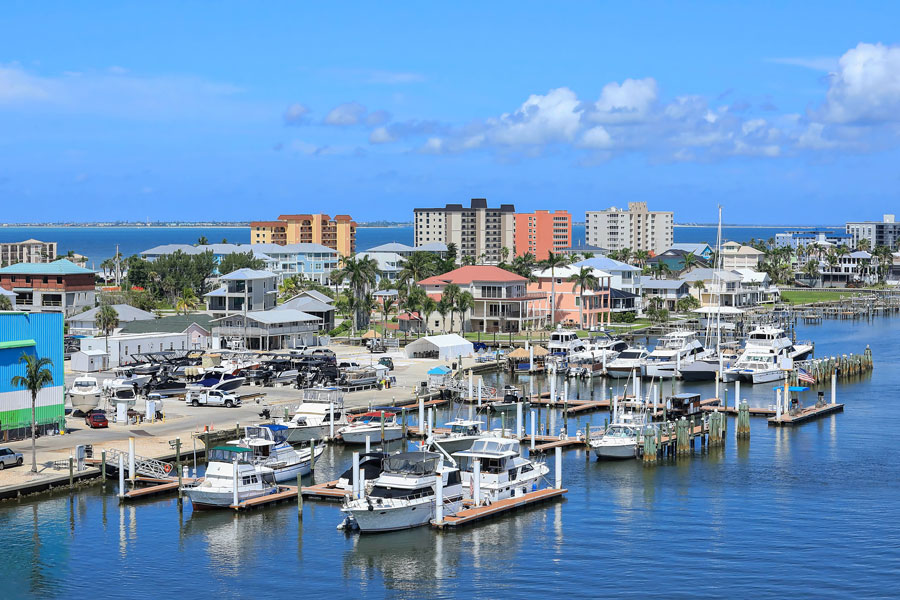
Across the river, Cape Coral is known for its extensive canal network, residential waterfronts and access to boating and fishing. Nearby communities provide marinas, nature preserves and places to explore the Caloosahatchee estuary. Together, Fort Myers and Cape Coral make a useful base for travelers who want urban amenities alongside day trips to beaches and islands.
Sanibel, Captiva and the Barrier Islands
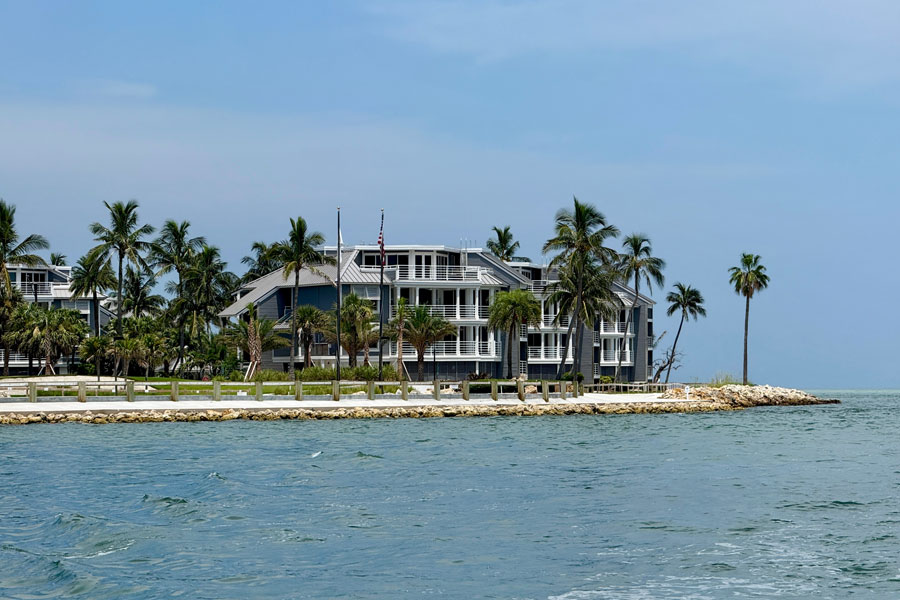
Sanibel is celebrated for shelling, low-rise coastal scenery and protected wildlife habitat. Its Gulf-facing beaches attract visitors who enjoy walking the shoreline, watching sunsets and looking for seashells. The J.N. “Ding” Darling National Wildlife Refuge protects important mangrove and estuarine environments where birds and other wildlife can be observed from designated routes and trails.
Captiva Island, immediately north of Sanibel, has a quieter island atmosphere, with beaches, small-scale accommodations, restaurants and opportunities for boating excursions. The islands are connected to the mainland by the Sanibel Causeway, and travel conditions, beach access and business operations should be checked before visiting, particularly as coastal recovery and infrastructure work may change over time.
Fort Myers Beach, Bonita Springs and Estero
Fort Myers Beach, on Estero Island, has long attracted visitors with its sandy Gulf shoreline, waterfront recreation and beach-town atmosphere. Beach access points, restaurants and visitor facilities can change as rebuilding continues after major storms, so current local information is especially important. South of the island, Lovers Key State Park offers a more natural coastal setting with beaches, trails and opportunities for paddling and wildlife observation.
Bonita Springs and Estero connect the Fort Myers area with northern Collier County. Visitors will find shopping, dining, golf, cultural sites and access to Estero Bay and nearby preserves. Koreshan State Park, along the Estero River, combines historic buildings with walking trails and a glimpse into an unusual chapter of Florida’s settlement history.
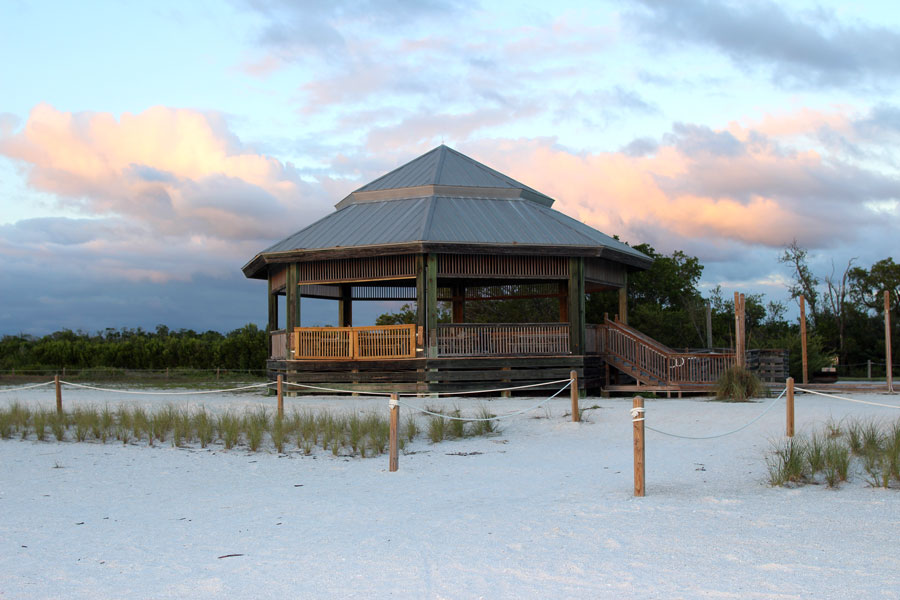
Naples and Collier County
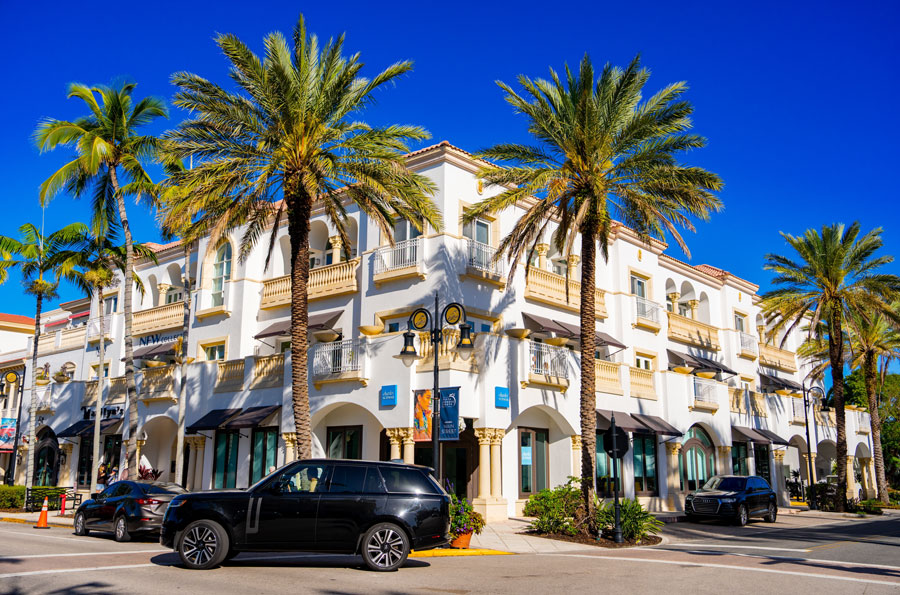
Naples is known for Gulf beaches, landscaped streets, art galleries, restaurants, upscale shopping and a strong cultural scene. Fifth Avenue South and Third Street South are popular walking and dining districts, while parks and beachfront access points provide opportunities to enjoy the coast. The Naples Botanical Garden and other museums and attractions add variety beyond the shoreline.
North of downtown, coastal communities and parks offer additional beach access and nature experiences. Farther south, the region becomes less urbanized as mangrove estuaries and conservation lands extend toward the Ten Thousand Islands. Travelers can combine a stay in Naples with wildlife excursions, fishing charters or trips into the inland landscapes of Collier County.
Marco Island, Everglades City and the Ten Thousand Islands
Marco Island is the largest developed island in the Ten Thousand Islands area and is known for Gulf beaches, resorts, boating and access to estuarine waterways. The island also has cultural attractions that interpret the region’s Indigenous and maritime history. Kayaking, sightseeing cruises and fishing excursions provide ways to experience the surrounding water.
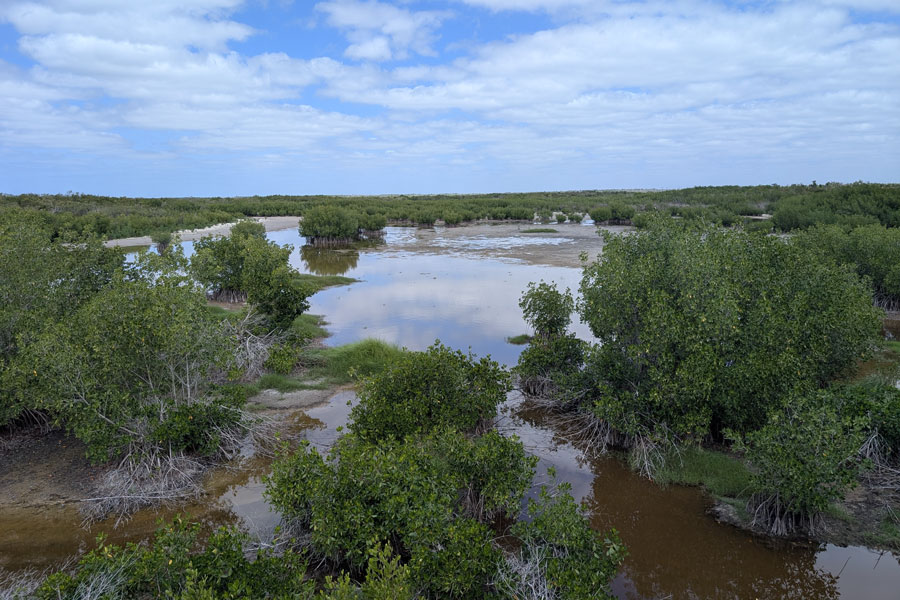
Southeast of Naples, Everglades City is a gateway to the Ten Thousand Islands and the western side of Everglades National Park. Mangrove tunnels, tidal creeks and open coastal waters create a very different landscape from the region’s developed beaches. Guided boat trips and paddling outings can introduce visitors to the ecology of this area, although weather, tides, wildlife protections and park regulations should always guide trip planning.
Charlotte Harbor, Punta Gorda and Boca Grande
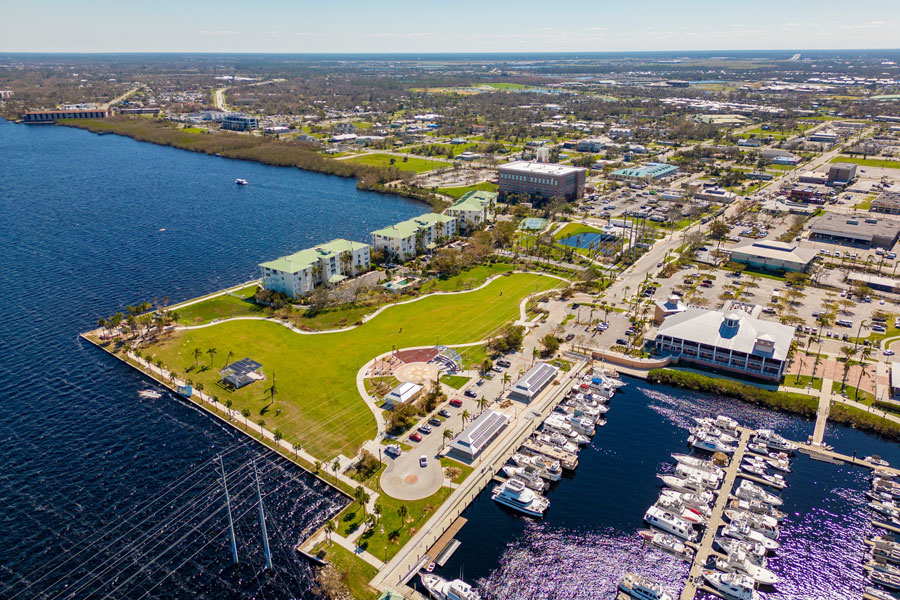
North of Lee County, Punta Gorda sits along Charlotte Harbor and is known for its historic downtown, harborfront parks, restaurants and boating access. Nearby Port Charlotte offers residential communities, shopping and access to fishing and recreation on the harbor and Peace River. The expansive estuary is important for marine life and provides a scenic setting for sunsets and waterfront exploration.
Boca Grande, on Gasparilla Island, is associated with historic village streets, beaches, fishing traditions and the waters of Boca Grande Pass. Visitors can also explore nearby Placida and the coastal communities around Charlotte Harbor. Inland, Arcadia offers a different perspective on the region through its historic downtown, agricultural surroundings and connections to the Peace River.
Nature, Wildlife and Outdoor Recreation
Southwest Florida contains an extensive network of protected coastal and inland habitats. Mangrove forests, estuaries, pine flatwoods, freshwater wetlands and cypress landscapes support wading birds, dolphins, manatees, alligators and many other species. Notable natural areas include J.N. “Ding” Darling National Wildlife Refuge, Corkscrew Swamp Sanctuary, Rookery Bay, Lovers Key State Park and Big Cypress National Preserve.
Boating and fishing are central to the region’s recreational identity, while kayaking and paddleboarding provide quieter ways to explore sheltered waterways. Wildlife should be observed from a respectful distance, and visitors should use marked trails, launch sites and established tour operators. Seasonal closures, changing water conditions and storms can affect access to parks, beaches and boating routes.
History, Culture and Local Communities
The history of Southwest Florida extends far beyond modern resort development. Indigenous Calusa communities shaped the region’s coastal and estuarine landscape for centuries, while later fishing settlements, agriculture, river commerce and tourism influenced its towns. Museums and historical sites in Fort Myers, Naples, Marco Island and Punta Gorda provide opportunities to learn about these different periods.
Inland places such as LaBelle and Arcadia reveal the region’s agricultural and ranching traditions. Along the coast, galleries, performing arts venues, local festivals and historic districts give travelers options beyond boating and beaches. Seasonal events and cultural calendars vary, so checking schedules can help visitors find experiences that fit their dates.
Beaches, Dining and Family Activities
Beach choices range from the developed waterfronts of Naples and Fort Myers Beach to the shelling shores of Sanibel and the natural coastal areas near Bonita Springs. Families can combine beach outings with boat tours, botanical gardens, museums, wildlife refuges and short nature walks. Not all beaches have the same facilities, and parking, accessibility and swimming conditions should be checked individually.
Seafood, waterfront restaurants and open-air dining are common throughout the region, alongside a broad mix of international cuisines and neighborhood eateries. Visitors will find especially active dining areas in downtown Fort Myers, Naples, Punta Gorda and the island communities. Reservations can be useful during the winter and spring visitor season.
When to Visit Southwest Florida
Southwest Florida has a subtropical climate with warm conditions for much of the year. Winter and early spring are popular for outdoor dining, beach visits and nature outings, with generally lower humidity than summer. The busiest travel periods can bring higher lodging rates, heavier road traffic and more competition for parking and reservations.
Summer is hotter, more humid and often marked by afternoon thunderstorms. The Atlantic hurricane season runs from June through November, and Gulf Coast storms can affect beach conditions, parks, ferry services and other travel plans. Travelers should monitor forecasts and check local advisories, especially when planning island trips or boating excursions.
Airports and Getting Around
Southwest Florida International Airport (RSW), near Fort Myers, is the principal commercial air gateway for much of the region. Punta Gorda Airport also serves travelers with scheduled flights, while Naples Airport and other smaller facilities primarily accommodate general aviation and specialized services. Flight availability varies by airport and season.
Interstate 75 connects the main mainland communities, including Naples, Bonita Springs, Fort Myers and Punta Gorda. U.S. Highway 41 provides another north–south route through developed areas, while causeways and local roads connect the mainland to the islands. A car is useful for exploring multiple destinations, although island traffic and seasonal congestion can lengthen travel times considerably.
Vicinity of Southwest Florida
Additional Details
| Region | Southwest Florida |
| Geographic Focus | Lee, Collier and Charlotte counties; Fort Myers, Naples, Cape Coral and Punta Gorda |
| Principal Destinations | Fort Myers, Cape Coral, Naples, Bonita Springs, Estero, Sanibel, Marco Island, Punta Gorda, Port Charlotte, Everglades City |
| Islands and Beaches | Sanibel, Captiva Island, Fort Myers Beach, Marco Island, Boca Grande and the Gulf Coast barrier islands |
| Natural Areas | J.N. “Ding” Darling National Wildlife Refuge, Corkscrew Swamp Sanctuary, Rookery Bay, Lovers Key State Park and Big Cypress National Preserve |
| Major Waterways | Gulf of Mexico, Caloosahatchee River, Charlotte Harbor, Estero Bay, Peace River and Ten Thousand Islands |
| Major Highways | Interstate 75, U.S. Highway 41, State Road 82 and regional causeways |
| Airports | Southwest Florida International Airport (RSW), Punta Gorda Airport (PGD) and Naples Airport (APF) |
| Known For | Gulf beaches, shelling, boating, mangrove estuaries, nature preserves, historic riverfronts and coastal dining |
| Best Time to Visit | Year-round; winter and spring are popular for beaches, sightseeing and outdoor recreation |
Exploring Southwest Florida
Southwest Florida offers visitors a broad range of coastal experiences, from the historic riverfront of Fort Myers and the canals of Cape Coral to the beaches and shopping districts of Naples. The islands of Sanibel and Captiva are especially appealing for shelling and nature, while Bonita Springs and Fort Myers Beach provide additional ways to enjoy the Gulf shoreline. Traveling between these communities reveals how varied the region can be within a relatively short stretch of coast.
Farther south, Marco Island and Everglades City open the way to mangrove estuaries and the Ten Thousand Islands, where boat tours and paddling trips showcase a more natural side of Florida. To the north, Punta Gorda, Port Charlotte and Boca Grande offer harborfront scenery, fishing traditions and historic streets. Inland communities such as LaBelle and Arcadia add river landscapes and agricultural heritage to a broader itinerary.
Whether the trip centers on a relaxing beach stay, a wildlife excursion, a family vacation or a multi-day coastal drive, Southwest Florida has destinations suited to different interests and travel styles. Arriving through Southwest Florida International Airport provides access to much of the region, while scenic roads and waterways connect its beaches, towns and preserves. Visitors who allow time for both the Gulf Coast and the inland landscapes can experience the region well beyond its best-known resorts.