Palm Bay, Florida
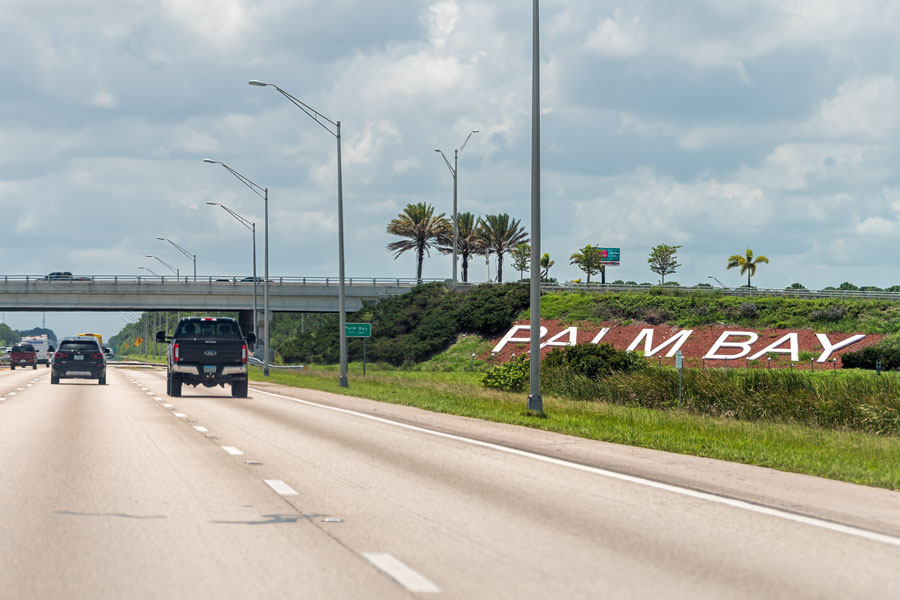
Palm Bay, in southern Brevard County on Florida’s Space Coast, is one of the region’s largest cities. Set along the Indian River Lagoon and near Turkey Creek, Palm Bay blends established neighborhoods, parks, boating access, and convenient access to nearby beaches and other Space Coast attractions. The area has been inhabited for thousands of years, long before European settlement.
About The Community
By the 1850s, settlers were drawn to the beauty and natural resources of the area around Turkey Creek. The early community was known as Tillman and grew through citrus planting, lumbering, and packing operations. The arrival of the railroad in the late nineteenth century accelerated development by making it easier to move people and goods through the region.
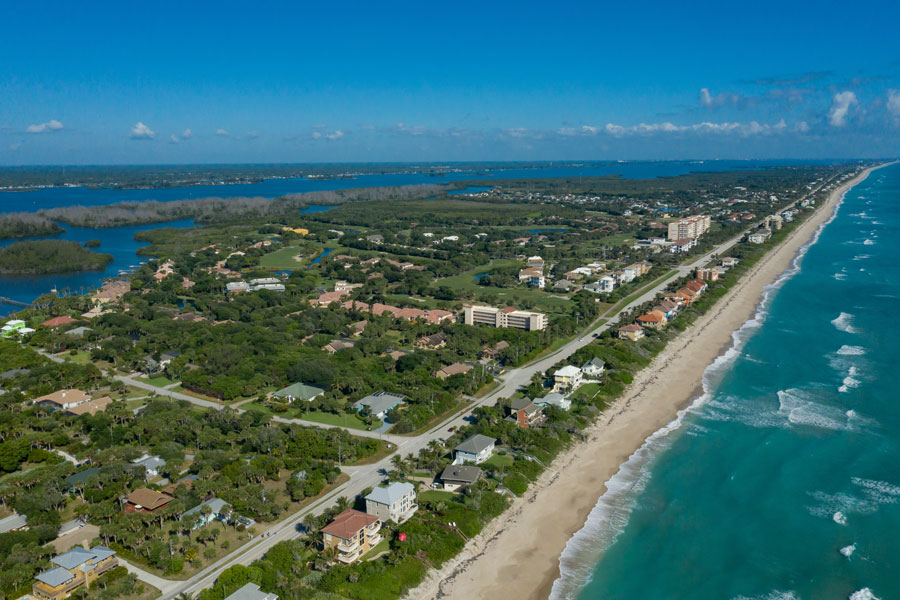
In the 1920s, the community took the name Palm Bay after the bay at the mouth of Turkey Creek. Today, the area is closely associated with the well-known Turkey Creek Sanctuary, a roughly 130-acre natural area with boardwalks and trails among sand pines, saw palmettos, and live oaks. Historic sites from Palm Bay’s earlier years remain part of its story, including St. Joseph’s Church. Much of the city’s major growth came in the mid- and late twentieth century, and Palm Bay continues to evolve as a residential, commercial, and employment center.
Important Links

Palm Bay offers activities for a wide range of visitors throughout the year. Community events, local arts programming, youth and adult sports, paddling, fishing, and park-based recreation all contribute to the city’s quality of life. The city is also known for specialty recreation options, including a municipal paintball park. Event schedules, hours, and facility availability may vary by date.
Vicinity of Palm Bay
Additional Details
Turkey Creek is a blackwater creek, its dark color created by natural tannins released from decaying vegetation. Turkey Creek Sanctuary and the Margaret Hames Nature Center are standout spots for nature lovers in Palm Bay. Programs, exhibits, and tours may vary, but the sanctuary is well known for environmental education, wildlife viewing, and access to both freshwater and estuarine habitats. Fish, wading birds, turtles, and occasionally manatees or river otters may be seen in and around the creek.
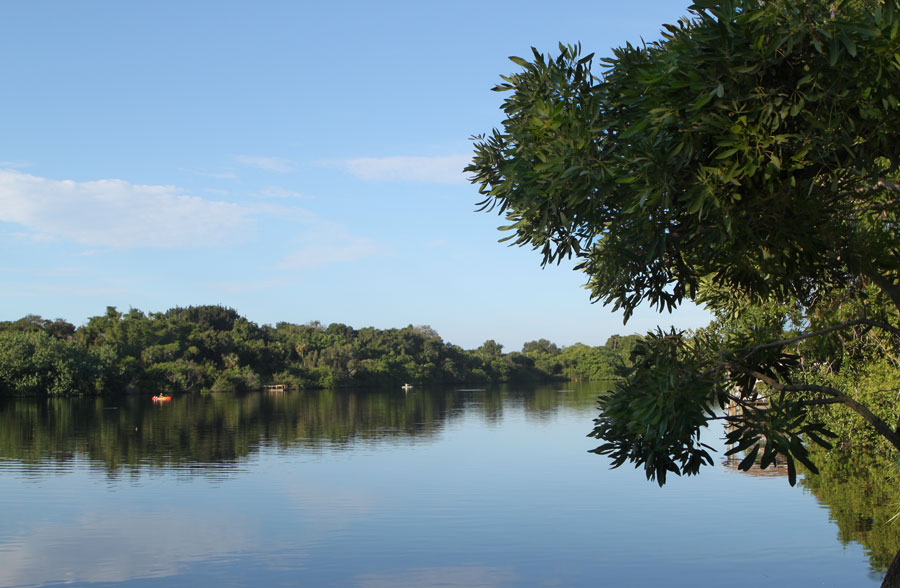
Birders may spot osprey, herons, egrets, ducks, ibis, and both brown and white pelicans depending on season and water conditions. American white pelicans are winter visitors to Florida. Cardinals, mockingbirds, Carolina wrens, and blue jays are among the common songbirds here, and with luck you may also glimpse a bald eagle or wild turkey. Enjoy views from the boardwalk or explore the trails and fitness stations for a closer look at the sanctuary.
The canopy includes live and laurel oaks, red maple, sugarberry, and sabal palm, while sand pine scrub rises above parts of the creek in a habitat distinctive to Florida. Wildlife in and around the sanctuary may include gopher tortoises, raccoons, opossums, native snakes, and other Florida species. Stay on marked paths, watch your surroundings, and give wildlife plenty of space.