West Miami, Florida
West Miami is a small independent city in central Miami-Dade County, just west of Coral Gables and close to many of greater Miami’s best-known neighborhoods. Covering roughly one square mile and home to a little more than 8,000 residents, West Miami developed as a compact postwar community and later expanded through annexation. Today it is known for established residential streets, strong Hispanic heritage, and a convenient location near shopping, dining, and major roadways.
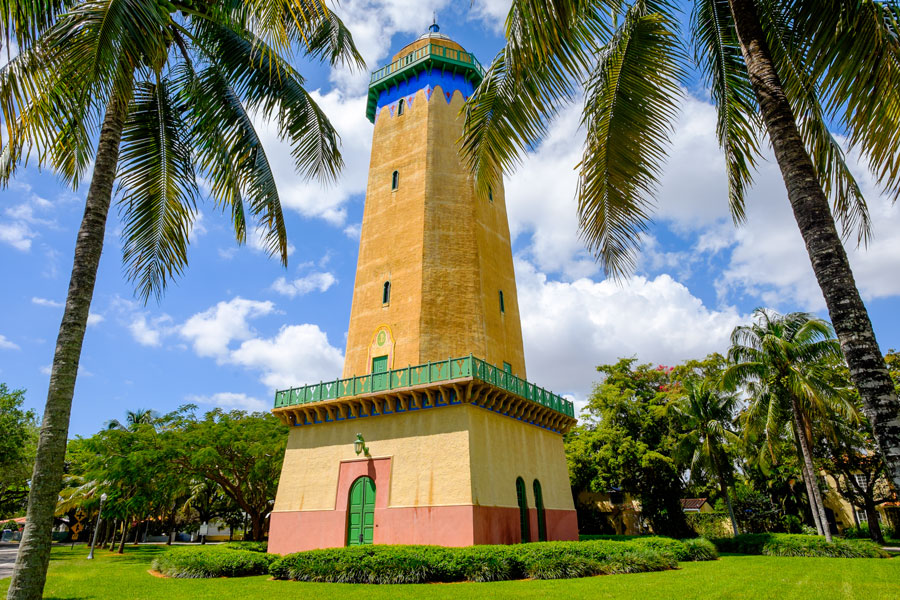
West Miami’s historic core lies between S.W. 8th Street and Coral Way, placing it close to Little Havana, Coral Gables, Miami International Airport, and other Miami-area destinations. While primarily residential, the city offers neighborhood parks, civic amenities, and easy access to the wider cultural and culinary experiences of South Florida. For many travelers, it works best as a centrally located base rather than a destination built around large-scale attractions.
About the Community
West Miami’s modern development took shape after World War II, when returning veterans found affordable lots and new housing opportunities in the area. That history helped inspire its longtime identity as the “Town of Veterans,” and many of the city’s earliest neighborhoods still reflect that mid-century character.
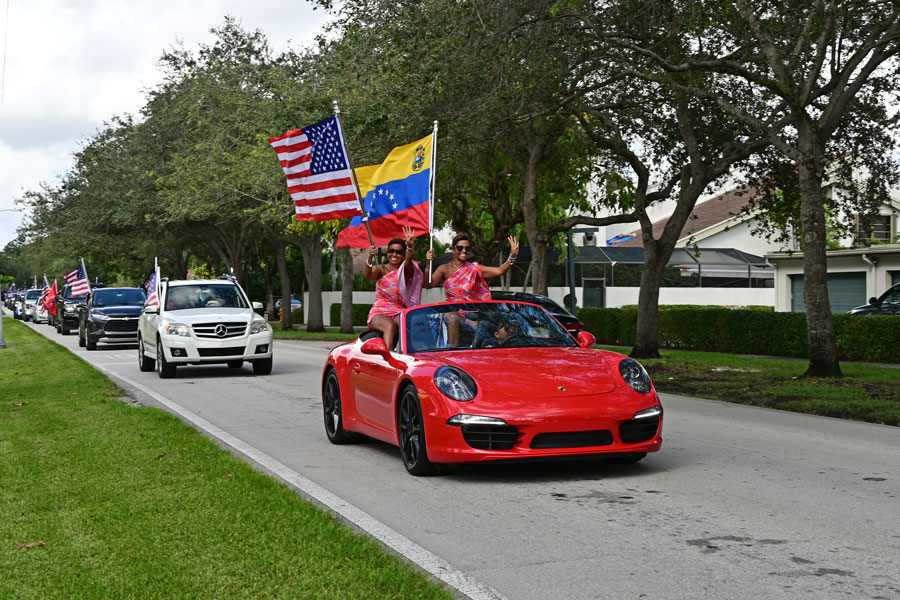
Significant demographic change occurred from the 1960s through the 1980s with the arrival of Cuban refugees and other Latin American families. Today, West Miami remains predominantly Hispanic, with especially strong Cuban roots reflected in the local language, food, family-owned businesses, and everyday culture found throughout the surrounding area.
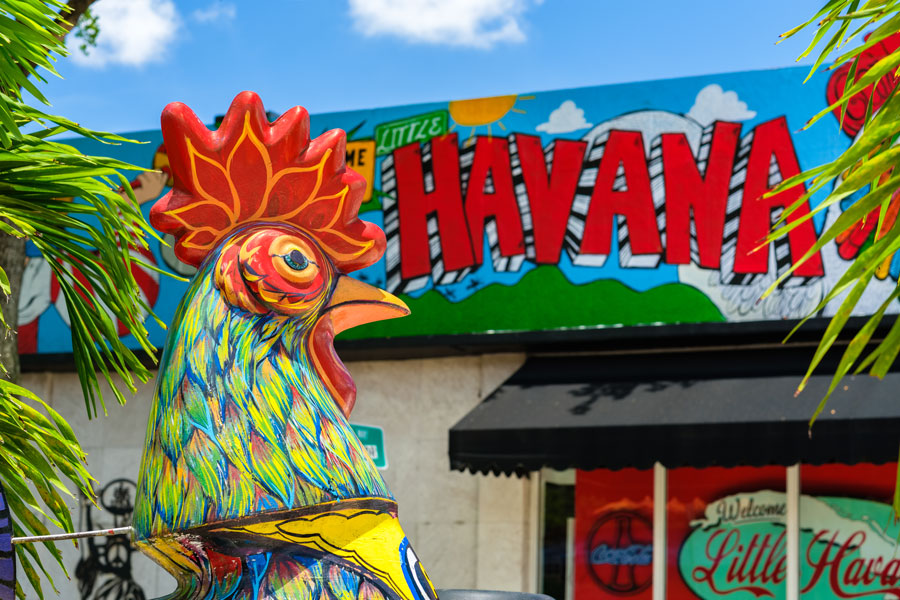
West Miami is best known as a residential community with a neighborhood feel rather than a major tourist district. Even so, the city continues to invest in streetscapes, sidewalks, drainage, trees, and public spaces that support everyday quality of life and help keep the community welcoming and well maintained.
Longtime residents and older adults benefit from local community programming, including activities centered around the city’s senior community facilities. As in many South Florida communities, infrastructure and flood-mitigation improvements remain important priorities alongside park upgrades and other civic projects.
Important Links (Suggest / Report)

Vicinity of West Miami
West Miami sits near Coral Gables, Little Havana, Flagami, and Miami International Airport, with convenient access to S.W. 8th Street, Coral Way, and other major east-west routes across central Miami-Dade. Nearby dining, shopping, and cultural districts are easy to reach by car or rideshare, although travel times can vary considerably with traffic.
Additional Information
Local recreation options include neighborhood parks and the West Miami Recreation Center, which hosts sports, fitness, and community activities. Amenities, programs, rentals, and hours may vary by date or season, so it is a good idea to check the city’s official website before planning a visit.
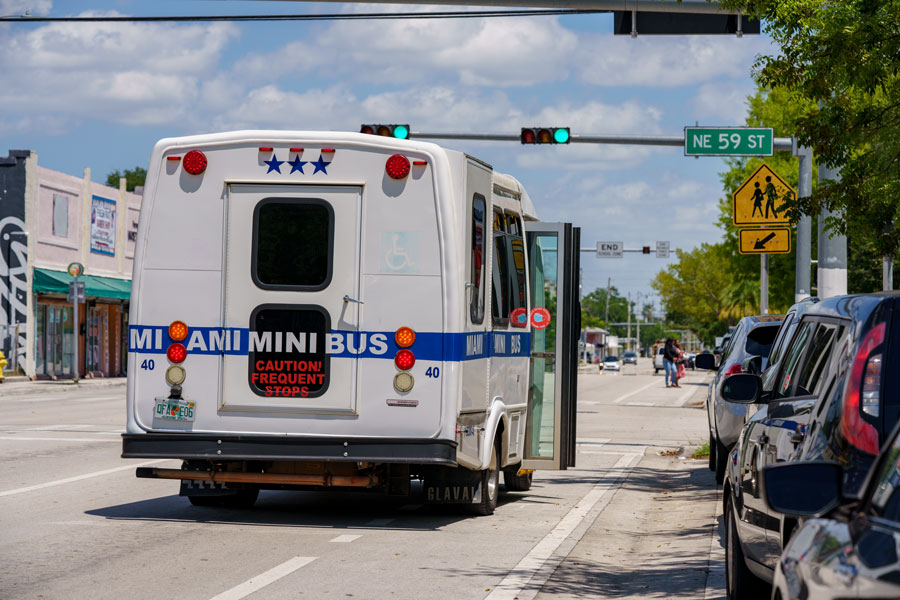
West Miami has at times operated local transportation options for residents, including jitney-style or neighborhood shuttle service. Routes, eligibility, fares, and operating schedules may change, so visitors should confirm current details directly with the city and Miami-Dade transit resources.
Over time, West Miami expanded beyond its original incorporated footprint through annexation. Because of that growth, some present-day West Miami addresses lie outside the city’s earliest postwar blocks while still benefiting from the same central Miami-area location.
West Miami continues to evolve through neighborhood improvements, infrastructure projects, and community-focused services. Its mix of local history, cultural identity, and central location makes it a noteworthy small city within the larger Miami metropolitan area.