Florida Keys National Marine Sanctuary
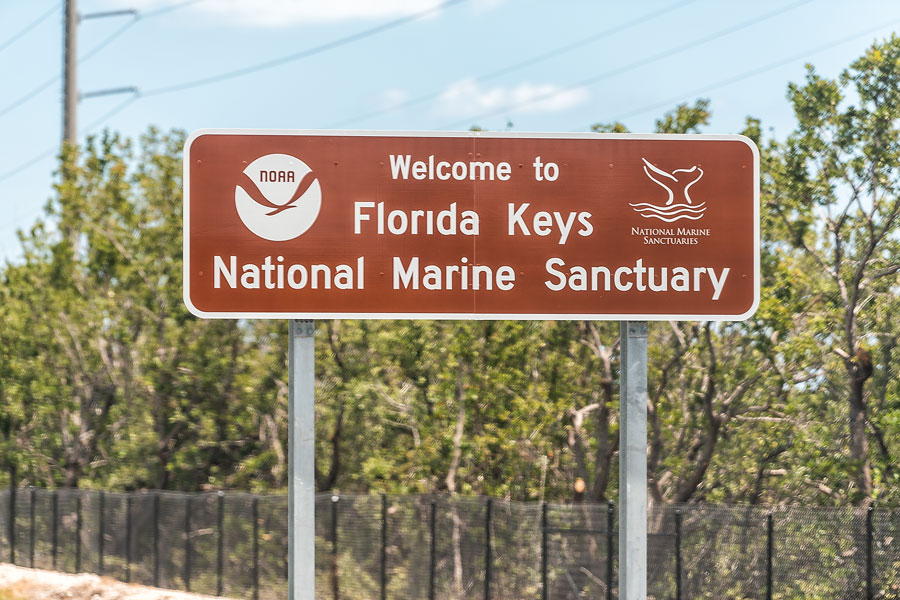
The Florida Keys National Marine Sanctuary (FKNMS) protects about 3,800 square miles of waters surrounding the Florida Keys, including coral reef communities, seagrass meadows, mangrove-fringed shorelines, and open-ocean habitat. Extending from south of Miami through the Keys toward the Dry Tortugas, the sanctuary helps safeguard the continental United States’ only living coral barrier reef, important fisheries habitat, and historic shipwrecks. For visitors, it is one of Florida’s premier places to snorkel, dive, boat, paddle, and experience marine conservation up close.
Features of the Florida Keys National Marine Sanctuary
- Diverse Coral Reef Ecosystem
- Includes the Florida Reef Tract, one of the world’s largest coral reef systems and the best-known reef chain in the continental U.S.
- Protects iconic reef areas such as Molasses Reef, Looe Key, and Carysfort Reef.
- Abundant Marine Life
- Supports thousands of species of fish, corals, invertebrates, birds, and other wildlife.
- Visitors may spot sea turtles, dolphins, rays, reef fish, and other protected species that should be observed from a respectful distance.
- Historic Shipwreck Trail
- Includes several interpreted wreck sites, with well-known stops such as City of Washington and Thunderbolt.
- Offers a memorable blend of underwater archaeology, reef habitat, and marine life viewing for experienced divers.
- Mangroves & Seagrass Beds
- These habitats serve as nurseries for fish, crustaceans, and other marine species.
- They also help stabilize shorelines, improve water quality, and support the broader Keys ecosystem.
- Marine Conservation & Research Efforts
- Ongoing work includes coral restoration, habitat protection, water-quality monitoring, and public education.
- The sanctuary is managed by NOAA in partnership with state agencies, local communities, and research organizations.
Recreational Activities & Experiences
- Snorkeling & Scuba Diving – Explore coral reefs and shipwrecks with conditions that vary by weather, season, and site.
- Boating & Eco-Tours – Discover patch reefs, backcountry waters, and island scenery while following sanctuary rules and posted markers.
- Kayaking & Paddleboarding – Paddle calmer mangrove shorelines, shallow flats, and protected bays in suitable conditions.
- Wildlife Watching – Look for sea turtles, rays, birds, and tropical fish without chasing, feeding, or touching wildlife.
- Fishing (where allowed) – Regulations vary by zone, season, and species, so check current rules before heading out.
Vicinity of the National Marine Sanctuary
Nearby Attractions
Enhance your visit to the Florida Keys National Marine Sanctuary by exploring these nearby destinations:
- John Pennekamp Coral Reef State Park (Key Largo) – The first undersea park in the U.S., offering popular snorkeling, diving, and glass-bottom boat trips.
- The Christ of the Abyss (Key Largo) – A famous submerged bronze statue in shallow water that is often visited on snorkel and dive excursions.
- Looe Key Reef (Big Pine Key) – One of the Keys’ best-known reef areas for snorkeling and scuba diving.
- Dry Tortugas National Park (about 70 miles west of Key West) – A remote island park featuring Fort Jefferson, birdlife, and clear water for boating and snorkeling.
- Islamorada’s Theater of the Sea – A longtime marine park with animal programs, exhibits, and family-friendly experiences.
Marine Sanctuary Protection Zones
To help preserve this fragile ecosystem, the Florida Keys National Marine Sanctuary uses several types of managed zones and protected areas, including:
- Sanctuary Preservation Areas (SPAs) – Site-specific zones that help protect coral reefs and other sensitive habitats.
- Ecological Reserves – Larger protected areas, including the Tortugas Ecological Reserves.
- Special-Use Areas – Managed for research, restoration, education, or other resource-protection purposes.
- Wildlife Management Areas – Seasonal or area-based protections for nesting birds and other sensitive wildlife.
Visitors should follow all sanctuary rules, including no touching coral, using mooring buoys where provided, and respecting fishing closures or no-take zones.
Amenities & Facilities
- Public Access Points – Many visitors enter the sanctuary through state parks, public boat ramps, marinas, and commercial snorkel or dive charters throughout the Keys.
- Mooring Buoys at Popular Reef Sites – Installed in many locations to help boaters avoid anchoring on coral.
- Snorkel, Dive & Paddle Rentals – Local outfitters throughout Key Largo, Islamorada, Marathon, and Key West offer rentals and guided trips.
- Educational Exhibits & Programs – NOAA and partner organizations may offer exhibits, talks, and special programs, with schedules and locations varying over time.
- Trip Planning Resources – The official sanctuary website provides maps, regulations, mooring buoy information, and current visitor guidance.
Accessibility
Accessibility can vary widely depending on the launch site, park, marina, or tour operator you choose:
- Some parks, marinas, and partner facilities offer accessible parking, restrooms, and land-based exhibits.
- Glass-bottom boat and sightseeing trips can be a good option for visitors who do not want to snorkel or dive.
- Boat boarding and on-water access vary by vessel, so contact operators in advance about assistance, storage, and trip conditions.
- Service animals are generally permitted in land-based public areas in accordance with ADA requirements, though policies may differ on private boats and tours.
Tips for Visiting the National Marine Sanctuary
- Use reef-conscious sun protection – Protective clothing and mineral-based sunscreen can help reduce your impact on sensitive marine habitats.
- Follow boating safety guidelines – Use marked channels and mooring buoys instead of anchoring on reefs.
- Check weather & water conditions – Visibility, seas, and small-craft conditions can change quickly.
- Respect wildlife & marine life – Do not touch coral, harass sea turtles, or feed fish and other animals.
- Plan your departure point carefully – The sanctuary spans the entire Florida Keys, and the best launch site depends on the reef, wreck, or region you want to explore.
Why Visit the Florida Keys National Marine Sanctuary?
The Florida Keys National Marine Sanctuary is one of Florida’s most extraordinary natural destinations, offering unforgettable access to coral reefs, shipwrecks, clear water, and diverse marine life. Whether you are snorkeling above shallow patch reefs, diving historic wrecks, paddling quiet mangrove edges, or simply enjoying the beauty of the Keys from the water, the sanctuary delivers a memorable experience for ocean lovers of all ages. Visiting responsibly helps protect this remarkable ecosystem for future generations.
For maps, regulations, mooring buoy guidance, and current visitor information, visit the official NOAA site: https://floridakeys.noaa.gov/