Merritt Island National Wildlife Refuge
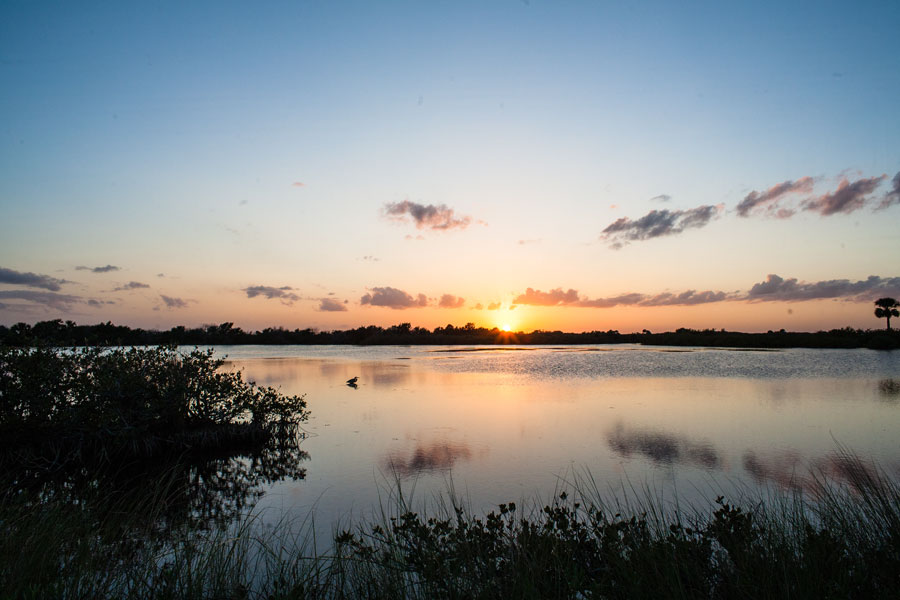
Located on Florida’s Space Coast, Merritt Island National Wildlife Refuge is an approximately 140,000-acre sanctuary managed by the U.S. Fish and Wildlife Service. Established in 1963, the refuge surrounds portions of the Kennedy Space Center, creating a remarkable contrast between protected coastal habitat and one of America’s most famous spaceflight sites. With rich ecosystems, outstanding birdwatching, scenic drives, paddling routes, and seasonal wildlife spectacles, Merritt Island National Wildlife Refuge is a standout destination for nature lovers, photographers, and families.
A Mosaic of Ecosystems
- Ecological Diversity:
- The refuge includes a wide range of habitats, including saltwater estuaries, freshwater marshes, coastal dunes, scrub, hardwood hammocks, and pine flatwoods.
- This variety supports an exceptional mix of plant and animal life, making the refuge one of the most biologically important protected areas in Florida.
- Indian River Lagoon: Part of the refuge, the Indian River Lagoon is a vital estuarine system that provides habitat for fish, birds, dolphins, manatees, and countless other species.
Wildlife Highlights
- Birdwatching Paradise:
- The refuge is part of the Great Florida Birding Trail, drawing birders with more than 300 recorded species, including roseate spoonbills, herons, egrets, ospreys, shorebirds, and migratory waterfowl.
- Cooler months are especially rewarding, when large numbers of migratory birds gather in the marshes and impoundments.
- Protected Species:
- The refuge helps protect species such as the Florida scrub-jay, wood stork, gopher tortoise, and manatee.
- Sea turtles, including loggerheads and green turtles, nest on nearby beaches during the warmer months.
- Diverse Wildlife: Visitors may also spot alligators, bobcats, otters, dolphins, and a variety of wading birds depending on the season and habitat.
Activities and Attractions
- Black Point Wildlife Drive:
- This scenic auto loop is one of the refuge’s most popular experiences, giving visitors a convenient way to watch for birds, alligators, and other wildlife from their vehicle.
- Interpretive signs and overlooks help explain the refuge’s wetlands and the species that depend on them. Access, fees, and operating hours may vary by date.
- Hiking Trails:
- Several trails offer different ways to experience the refuge, including:
- Oak Hammock Trail: An easy walk through shaded hammock habitat.
- Scrub Ridge Trail: A good place to look for Florida scrub-jays and native scrub habitat.
- Palm Hammock Trail: A longer route through a quieter mix of landscapes. Trail conditions and availability may change.
- Several trails offer different ways to experience the refuge, including:
- Fishing and Boating:
- The refuge’s waters are popular with anglers targeting species such as redfish, seatrout, and tarpon, subject to seasons and regulations.
- Kayaking and canoeing in Mosquito Lagoon and the Indian River area provide a peaceful way to explore coastal habitat.
- Photography:
- From sunrise marsh scenes to close-up wildlife viewing, the refuge is one of the Space Coast’s top spots for nature photography.
- Manatee Observation Areas:
- Near Haulover Canal, visitors may be able to watch manatees in the water during cooler weather, when conditions are favorable.
Educational Opportunities
- Visitor Center:
- The Merritt Island National Wildlife Refuge Visitor Center offers exhibits and orientation materials about local wildlife, habitats, and conservation.
- When open, staff and volunteers can provide maps, recent sighting information, and current access updates.
- Guided Tours and Programs: Seasonal ranger-led walks, talks, and special programs may be offered at different times of year.
- Environmental Education: The refuge supports conservation learning through school partnerships, interpretive materials, and community engagement.
Conservation and Restoration Efforts
- Habitat Preservation: The refuge plays a major role in protecting habitat for threatened and endangered species while helping maintain the ecological health of the Space Coast.
- Research and Monitoring: Ongoing work tracks wildlife populations, habitat conditions, water quality, and long-term environmental change.
- Volunteer and Community Involvement: Volunteers and community partners often assist with habitat projects, visitor services, cleanups, and conservation education.
Vicinity of the Refuge
Visitor Information
- Location: Refuge access points and visitor facilities are spread across the Merritt Island and Titusville area. The headquarters address is commonly listed as 1963 Refuge Headquarters Rd, Titusville, FL 32782.
- Hours: Many refuge roads, overlooks, and trails are generally open during daylight hours, but hours vary by area, season, and operational needs. Visitor center and wildlife drive schedules may differ.
- Admission: Some areas, including Black Point Wildlife Drive, may require an entrance fee or pass. Check the official refuge website for current rates and payment details.
- Contact: Phone: (321) 861-0667
- Official website: Merritt Island National Wildlife Refuge – U.S. Fish and Wildlife Service
- Because the refuge sits beside an active spaceflight complex, temporary closures or access restrictions can occur during launch operations or other federal activities.
Nearby Attractions
- Canaveral National Seashore: Adjacent to the refuge, this protected shoreline is known for undeveloped beaches, scenic natural areas, and sites such as Turtle Mound.
- Kennedy Space Center: Located within the broader area of the refuge, this world-famous destination offers exhibits, artifacts, and a close look at America’s space program.
- New Smyrna Beach: A charming coastal city north of the Apollo area, known for surfing, local shops, dining, and an active arts scene.
Tips for Visiting Merritt Island
- Best Time to Visit: Early morning and late afternoon are often the best times for wildlife viewing, comfortable temperatures, and softer light for photography.
- Bring Essentials: Carry water, sun protection, insect repellent, sturdy footwear, and binoculars. Mosquitoes can be intense at certain times of year.
- Respect Wildlife: Stay on designated roads and trails where required, observe animals from a safe distance, and never feed or approach wildlife.
- Plan Ahead: Check official alerts before you go for weather impacts, seasonal road or trail closures, launch-related restrictions, and current visitor center hours.
Why Visit Merritt Island National Wildlife Refuge?
Merritt Island National Wildlife Refuge offers one of Florida’s most memorable combinations of wildlife viewing, scenic coastal landscapes, and easy outdoor access. Whether you are driving Black Point Wildlife Drive, hiking through scrub and hammock habitats, paddling quiet waters, or watching birds gather across the marshes, the refuge delivers an experience that feels both wild and distinctly Floridian. It is a rewarding stop for families, solo travelers, photographers, birders, and anyone looking to experience the natural side of the Space Coast.
For current conditions and official details, visit: https://www.fws.gov/refuge/merritt-island