St. Augustine Alligator Farm Zoological Park
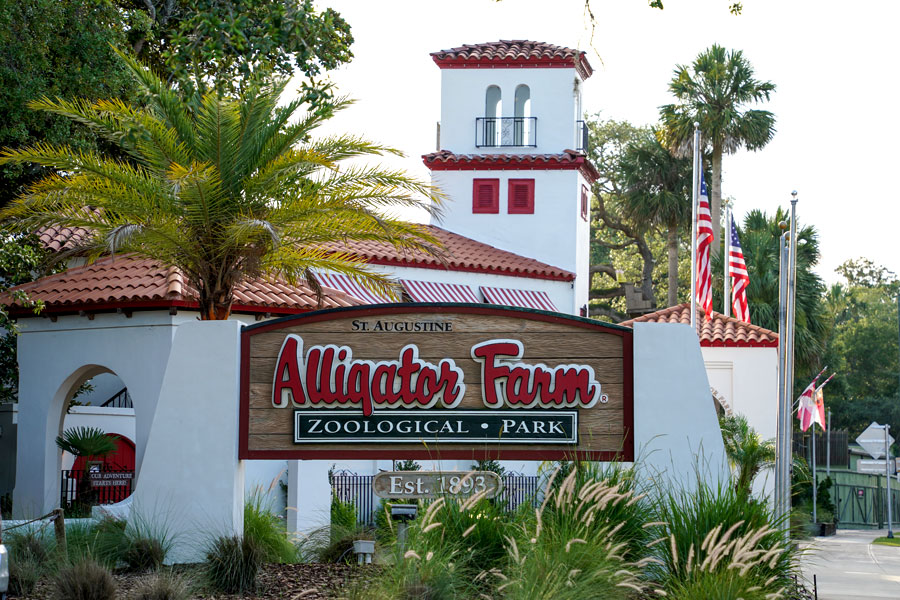
The St. Augustine Alligator Farm Zoological Park, located in St. Augustine, Florida, is one of the state’s oldest and best-known wildlife attractions. Founded in 1893, it has grown from a small alligator exhibit into a respected zoological park with a strong emphasis on education, conservation, and close-up animal viewing. The park is also accredited by the Association of Zoos and Aquariums (AZA).
Today, the Alligator Farm is especially known for its crocodilian collection and is widely recognized as the only place where visitors can see all 24 living species of crocodilian. Beyond alligators and crocodiles, guests can also explore exhibits featuring birds, snakes, lizards, lemurs, and other animals from around the world. The result is a visit that feels part zoo, part conservation center, and part classic Florida attraction.
History and Growth
Established in 1893, the St. Augustine Alligator Farm began as a modest display of Florida alligators and quickly became a popular stop for visitors exploring the nation’s oldest city. Over time, the attraction expanded its animal collection, relocated to its present home on Anastasia Island, and developed into a full zoological park. That long history, combined with its internationally known crocodilian collection, has made it one of the most distinctive wildlife attractions in Florida.
Exhibits and Attractions
1. Land of Crocodiles: One of the park’s signature areas, Land of Crocodiles showcases species from around the world and helps visitors understand the differences between crocodiles, alligators, caimans, and gharials. Interpretive displays focus on habitat, behavior, and the conservation challenges many of these rare animals face.
- Maximo, the park’s famous saltwater crocodile, is one of its most memorable residents. Guests can often view him both above and below the water in a habitat designed to highlight his immense size and power.
2. Alligator Lagoon: In Alligator Lagoon, visitors can observe American alligators in a spacious outdoor setting while learning about their behavior, diet, and role in Florida’s ecosystems. Scheduled feedings and keeper talks are often a highlight, though presentation times may vary by date.
3. Birds of Africa: This aviary-style exhibit features African bird species in a lush environment and adds an extra layer of variety beyond the reptile collection. It also reflects the park’s broader focus on biodiversity and species conservation.
4. Python Cave: Python Cave is a favorite for guests interested in large snakes and other reptiles. The exhibit typically highlights impressive constrictors such as reticulated pythons and Burmese pythons, with animal displays and educational details that may change over time.
5. Komodo Dragon Exhibit: The Komodo dragon habitat introduces visitors to the world’s largest lizard species and explores its natural history, feeding behavior, and conservation status. It is one of the park’s standout reptile exhibits beyond the crocodilian collection.
6. Lemurs of Madagascar: This exhibit spotlights several lemur species and helps explain the environmental pressures facing wildlife in Madagascar. It adds a primate component to a park otherwise best known for reptiles and birds.
7. Wading Bird Rookery: The rookery is one of the most distinctive seasonal features at the Alligator Farm. During nesting season, visitors may see herons, egrets, spoonbills, wood storks, and other native birds building nests and raising chicks in the trees around the alligator habitats. Activity is typically strongest in spring and early summer.
8. Exotic Birds and Reptiles: In addition to its headlining exhibits, the park displays a variety of reptiles and birds from different regions, giving visitors a broader look at global wildlife diversity. Specific species on view may vary, but the collection often includes notable reptiles and large bird species.
9. Crocodile Crossing Zip Line: For guests seeking extra adventure, Crocodile Crossing offers a zip line and aerial obstacle experience above parts of the park. Course options, participant requirements, and operating availability may vary, so it is best to check current details before your visit.
Conservation and Education
1. Conservation Efforts: The St. Augustine Alligator Farm plays an active role in crocodilian conservation and participates in AZA-led programs that support the long-term survival of endangered species. The park also contributes to research, breeding initiatives, and field conservation efforts in several parts of the world.
2. Educational Programs: Educational offerings may include school programs, camps, keeper talks, behind-the-scenes experiences, and special encounters designed to help guests better understand reptiles, birds, and wildlife conservation. Program availability can change seasonally.
3. Daily Shows: Live animal presentations are a major part of the visitor experience, and the daily schedule often includes educational demonstrations and reptile-focused programs. Featured presentations may include:
- Realm of the Alligator: A signature presentation centered on the biology, behavior, and athletic ability of American alligators.
- Scales and Tails: A reptile program that introduces guests to snakes, lizards, and other scaled animals while sharing conservation and natural history facts.
Alligator Farm Map and Location
About the Area
The Alligator Farm is located just minutes from historic downtown St. Augustine, the oldest continuously occupied European-established settlement in the continental United States. Many visitors combine a stop here with nearby landmarks such as the Castillo de San Marcos National Monument, the St. Augustine Lighthouse & Maritime Museum, and the Fountain of Youth Archaeological Park.
Its location on Anastasia Island also puts visitors close to outdoor favorites such as Anastasia State Park, where beach time, paddling, wildlife viewing, and scenic trails can easily be added to the same day.
Nearby Attractions
- St. Augustine Lighthouse & Maritime Museum
Climb the historic lighthouse for sweeping views and explore exhibits focused on the area’s maritime past. - Castillo de San Marcos
Visit this landmark Spanish stone fortress for a deeper look at St. Augustine’s colonial history. - St. George Street
Stroll this pedestrian-friendly district lined with shops, restaurants, museums, and historic sites. - Anastasia State Park
Enjoy beaches, paddling, birdwatching, and coastal trails at one of the area’s top natural escapes.
Additional Details
- Location: 999 Anastasia Blvd, St. Augustine, FL 32080.
- Hours of Operation: The park is typically open daily, but hours vary by date, season, weather, and special events. Check the official website before visiting.
- Admission: General admission usually includes access to the animal exhibits and regularly scheduled shows. Special experiences, encounters, and the zip line course may require separate tickets or reservations.
- Parking: On-site parking is generally available for guests.
- Accessibility: Much of the park is accessible by paved or boardwalk-style paths and ramps. Guests with specific mobility needs should review current accessibility information before arrival.
- Dining and Shopping: Visitors can typically find casual food and drink service on-site, along with a gift shop offering souvenirs and themed merchandise. Offerings may change.
For official visitor information, tickets, and current operating details, visit: https://www.alligatorfarm.com/