Wakodahatchee Wetlands
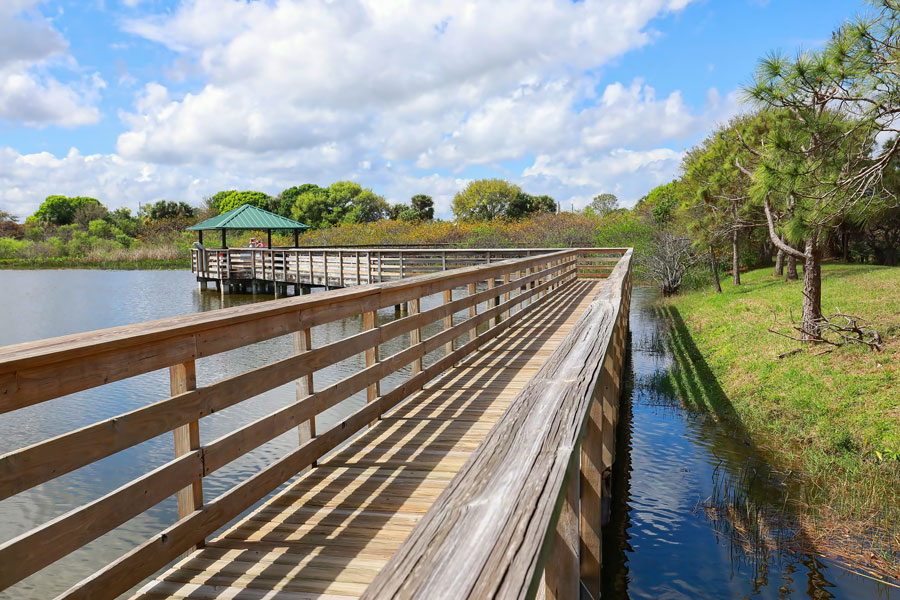
Wakodahatchee Wetlands, near Delray Beach, Florida, is one of South Florida’s most rewarding spots for birdwatching, wildlife photography, and easy nature walks. Spanning about 50 acres, this man-made wetland was developed as part of a water reclamation project and has grown into a thriving habitat for birds, reptiles, fish, and native plants. Its elevated boardwalk gives visitors close-up views of marshes, open water, and nesting areas without having to hike deep into the landscape.
Key Features of Wakodahatchee Wetlands
- Elevated Boardwalk
- A boardwalk of roughly three-quarters of a mile loops through the wetlands, making the site easy to explore for many visitors.
- Viewing areas along the route provide wide views of ponds, islands, and marsh habitat.
- Wetland Habitat Created for Conservation
- The site combines open water, marsh vegetation, and nesting islands shaped by reclaimed-water management.
- Its design supports wildlife while also helping demonstrate the ecological benefits of wetland restoration.
- Outstanding Birdwatching
- Wakodahatchee is widely known for its variety of wading birds and seasonal nesting activity.
- Commonly seen species may include:
- Great Blue Herons
- Anhingas
- Roseate Spoonbills
- Wood Storks
- Egrets, ibises, and moorhens
- The wetlands are part of the Great Florida Birding Trail, making them a standout stop for wildlife enthusiasts.
Wildlife at Wakodahatchee Wetlands
- Birds
- The wetlands are especially popular during nesting season, when visitors may see rookeries active from the boardwalk.
- Spring often brings increased activity, including courtship, nest building, and chicks, though wildlife sightings always vary.
- Reptiles and Amphibians
- Alligators, turtles, lizards, and frogs are among the animals visitors may spot in and around the water.
- Mammals
- Marsh rabbits and other small mammals are occasionally seen, especially during quieter times of day.
- Aquatic Life
- Fish, insects, and other aquatic species support the food web that attracts so many birds and reptiles.
Recreational Activities
- Birdwatching
- Bring binoculars for better views of birds perched, feeding, or nesting across the ponds and islands.
- Morning is often a productive time for bird activity, though conditions vary by season and weather.
- Nature Photography
- The close boardwalk access makes this a favorite location for photographing birds, alligators, reflections, and wetland scenery.
- Walking and Observation
- The level boardwalk is ideal for a relaxed walk focused on scenery and wildlife viewing rather than strenuous hiking.
Educational Opportunities
- Interpretive Signs
- Signs along the route help explain wetland ecology, wildlife behavior, and the site’s role in water reclamation.
- Self-Guided Learning
- The boardwalk layout makes it easy for families, photographers, and casual visitors to learn at their own pace.
- Special Programs
- Programs, guided walks, and educational opportunities may be offered at times; availability can change, so check official sources before you go.
Visitor Information
- Location: Wakodahatchee Wetlands is west of downtown Delray Beach in southern Palm Beach County.
- Hours: Access hours may vary by season, maintenance needs, and special conditions. Check the official Palm Beach County wetlands page before your visit.
- Admission: Entry is generally free, though policies can change.
- Best Time to Visit: Cooler morning hours are often most comfortable and productive for wildlife viewing.
Vicinity of the Wetlands
Nearby Attractions
Complement your visit to Wakodahatchee Wetlands with these nearby destinations:
- Green Cay Nature Center and Wetlands: Another excellent wetland preserve nearby, with a longer boardwalk and educational exhibits.
- Atlantic Avenue: A lively Delray Beach district with restaurants, shops, galleries, and nightlife.
- Morikami Museum and Japanese Gardens: A peaceful cultural attraction featuring gardens, exhibits, and Japanese-inspired architecture.
- Delray Municipal Beach: A popular oceanfront spot for a beach walk, sunbathing, or a post-wetlands stop.
Amenities
- Parking: On-site parking is typically available for visitors.
- Restrooms: Restroom availability may vary; confirm current visitor amenities before your trip if this is important to your plans.
- Benches and Stopping Points: Places to pause and observe wildlife can be found along the boardwalk.
- Viewing Areas: Elevated sections and overlooks help provide clear sightlines across the wetlands.
Accessibility
Wakodahatchee Wetlands is generally known for being accessible to a wide range of visitors:
- Boardwalk Access: The boardwalk is typically suitable for wheelchairs and strollers.
- Accessible Parking: Accessible parking spaces are generally provided near the entrance area.
- Service Animals: Service animals are permitted in accordance with ADA requirements.
Tips for Visiting Wakodahatchee Wetlands
- Bring Binoculars: They make it much easier to appreciate birds and nesting activity across the water.
- Pack for the Weather: Bring sunscreen, drinking water, insect repellent, and comfortable walking shoes.
- Be Patient and Quiet: Slower movement and lower noise levels often lead to better wildlife sightings.
- Give Wildlife Space: Do not feed animals or lean over rails to get closer photographs.
- Check Conditions Before You Go: Weather, maintenance, and seasonal factors can affect access and wildlife activity.
Why Visit Wakodahatchee Wetlands?
Wakodahatchee Wetlands offers an easy and memorable way to experience Florida’s wetland ecosystems up close. The combination of abundant birdlife, a convenient boardwalk, and peaceful scenery makes it a standout destination for photographers, families, and anyone looking for a calm outdoor stop in the Delray Beach area. Whether you stay for a quick walk or spend time watching nesting birds, it is one of Palm Beach County’s most rewarding nature attractions.
For more information, visit: https://discover.pbc.gov/waterutilities/Pages/Wetlands.aspx