Is It Safe to Swim in Florida?
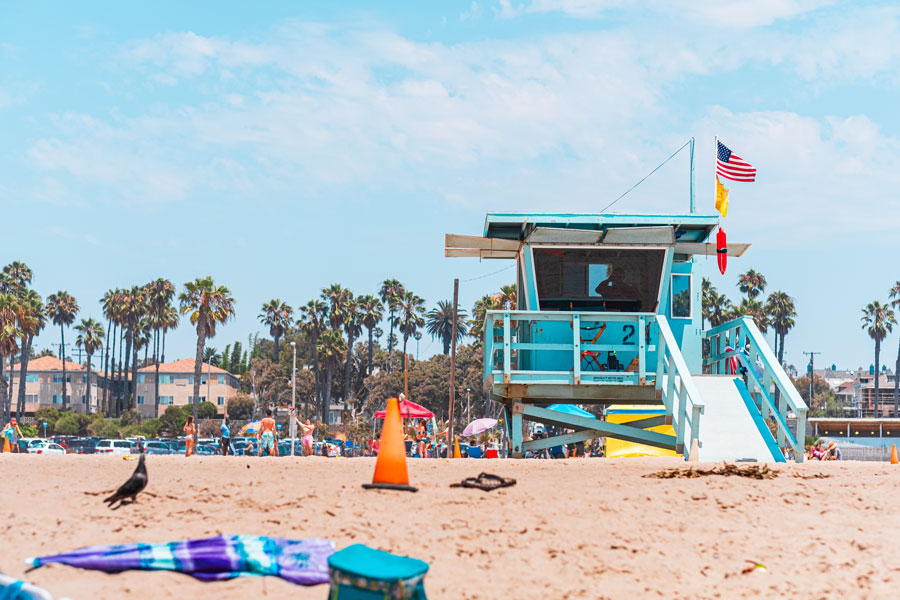
Swimming in Florida can be safe and enjoyable for millions of residents and visitors each year, but safety depends heavily on where you swim, when you swim, and whether you pay attention to conditions. The biggest real-world risks are usually not the ones people talk about most. In many cases, rip currents, lightning, water quality issues, rough surf, and a lack of local awareness are more immediate dangers than dramatic wildlife headlines.
Florida offers everything from calm Gulf beaches and spring-fed swimming areas to Atlantic surf beaches, lakes, lagoons, rivers, hotel pools, and water parks. Each comes with different conditions and different risks. Ocean swimmers need to think about surf, currents, weather, and marine life, while freshwater swimmers need to think more about visibility, depth changes, wildlife, and posted warnings.
This guide is designed to help you understand the major swimming risks in Florida, know when conditions are generally more favorable, and make smarter decisions before getting into the water.
Quick Answer
Yes, it is often safe to swim in Florida when you choose a guarded or well-used swimming area, check the weather, look for posted warnings, avoid unsafe water conditions, and stay out of places where wildlife or contamination are concerns. The key is not to assume that every beach, lake, or shoreline is equally safe at all times. Florida rewards people who pay attention.
What Are the Biggest Swimming Risks in Florida?
Many visitors assume sharks or alligators are the main danger, but that is usually not the best way to think about swimming safety in Florida. The more common and immediate threats are often environmental and situational.
1. Rip Currents
Rip currents are one of the most serious beach hazards in Florida. Learn how to spot and escape rip currents before entering the water.
2. Lightning and Afternoon Storms
Florida is well known for frequent thunderstorms, especially during the warmer months. A beach day can change quickly, and swimming becomes unsafe as soon as thunder is nearby. If you can hear thunder, it is time to get out of the water and move indoors.
3. Water Quality Issues
Not every swimming hazard is visible. Water quality advisories, stormwater runoff, and red tide can make swimming a bad idea even when the water looks inviting.
4. Rough Surf and Wave Action
Strong shore break, pounding surf, and changing sandbars can be dangerous for children and inexperienced swimmers.
5. Wildlife Risks
In the ocean, this includes sharks and marine life. In freshwater, the concern shifts to alligators and low-visibility environments.
Is the Ocean Safer Than Lakes, Canals, or Ponds?
For many visitors, a guarded public beach is often a better swimming choice than an unfamiliar freshwater shoreline. Ocean beaches offer clearer safety systems, while inland water can carry hidden risks.
Saltwater Safety in Florida
Florida’s beaches vary widely. Some offer calmer conditions, while others require more awareness of surf and current patterns.
Safest Beaches in Florida for Swimming
Most Dangerous Beaches in Florida
Freshwater Swimming Safety in Florida
Freshwater requires a different mindset. Avoid canals, ponds, and areas not clearly designated for swimming, especially where wildlife may be present.
Are Sharks the Main Danger?
No. While sharks are present, most real-world risks come from currents, weather, and conditions.
Are Alligators a Serious Swimming Risk?
Yes, in freshwater. Learn where they are found and how to stay safe in our alligators guide.
What Time of Year Is Best for Swimming in Florida?
Conditions vary by season. See the best times of year to swim in Florida based on weather, water temperature, and crowds.
How to Tell if It Is Safe to Swim Before You Get In
- Look for lifeguards
- Check flags and warnings
- Watch the surf
- Check weather conditions
- Avoid water after heavy rain
- Stay out of unfamiliar freshwater
Best Swimming Choices for Families
Families do best at beaches with lifeguards, calm water, and clear safety systems. See our guide to family-friendly and safer beaches.
Florida Swimming Safety Checklist
- Choose designated swim areas
- Swim near lifeguards
- Check conditions first
- Respect wildlife
- When in doubt, stay out